Loading for more accurate data retrieval
NEW PRODUCT
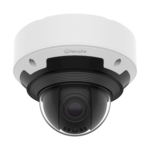
4MP AI Outdoor Vandal Dome Camera
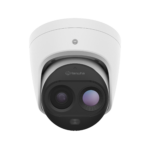
Early Fire Detection Bi-spectrum Thermal Camera
Quick links
Suggested links
Technical Support Portal
Contact Sales
Contact CS
Toolbox plus
You can download Hanwha Vision's data.
2026.03.07
Retail stores manage constant flows of customers, staff, and inventory — each bringing their own set of oversight demands. Every aisle, display case, and access point introduces potential risk, from shoplifting and internal theft to safety hazards and operational disruptions. Retail video surveillance plays a vital role in addressing these challenges.
Today’s systems provide more than recorded footage, delivering real-time visibility and insights that help teams respond faster. With the right combination of high-resolution imaging, intelligent analytics, and seamless integrations, surveillance becomes a powerful tool for protecting your assets and maintaining a safe retail environment.
As security cameras’ capabilities have advanced, video surveillance has become increasingly central to retail operations. With the right system in place, you can reduce internal shrink, improve staff accountability, and make data-informed decisions through:
Visible surveillance cameras serve as a frontline deterrent against theft, fraud, and policy violations. When both customers and employees are aware they’re being monitored, behaviors such as shoplifting, price tag switching, and unauthorized backroom access tend to decrease. Strategic camera placement in entryways and high-value product zones also signals that your store takes loss prevention seriously.
If an incident occurs, video footage becomes invaluable evidence, providing an objective, time-stamped account of the event. This footage can help protect your business from false claims, support HR decisions, and serve as documentation for law enforcement or insurance providers.
Live video surveillance helps maintain a safe, secure environment by enabling in-store staff to respond quickly to incidents, such as a medical emergency or suspicious behavior near an exit. Surveillance also helps enforce broader in-store safety protocols, such as keeping fire exits clear and identifying spills or obstructions before they lead to accidents.
AI-powered surveillance systems offer valuable visibility into shopper behavior. By analyzing foot traffic patterns, dwell times, and queue lengths, AI-powered security cameras surface insights that help you optimize store layout and staffing strategies. The result? Reduced congestion and streamlined operations that contribute to a smoother customer experience.
Choosing the right retail security camera system starts with identifying which features align with your needs and risk profile. Consider the following factors to choose the most effective system for your store(s):
Sharp, detailed footage is critical for identifying faces, documenting incidents, and keeping tabs on inventory — both in real time and during an investigation. Opt for high-definition (HD) or ultra-HD (4K) cameras that preserve image quality, even when zoomed in.
Surveillance can’t stop when the lights go out. Cameras equipped with infrared (IR) or low-light sensors ensure around-the-clock visibility, capturing reliable footage in dark or dimly lit areas like exterior walkways or back stockrooms.
Look for cameras with wide-angle lenses or panoramic views to capture more of the sales floor in a single frame. Prioritize models that allow flexible positioning and ensure continuous monitoring of high-priority areas like entrances, cash wraps, and high-value displays.
Smart motion detection can trigger instant alerts for suspicious activity, unauthorized access, or unexpected crowding. These real-time notifications help your team act fast, for example by dispatching employees to a congested checkout area to reduce wait times. Fast responses help prevent small issues from becoming major disruptions.
Many modern security systems offer cloud-based platforms that let you view live or recorded footage from any device, anywhere. Whether you’re managing a single store or a multi-location operation, remote access provides greater convenience and oversight.
Effective retail store video surveillance systems can integrate seamlessly with your existing infrastructure, including POS, alarm, or access control systems. It’s just as important to choose a system that can scale with your business, accommodating growth and evolving security needs without requiring a complete IT overhaul.
Different retail spaces call for different camera types. By understanding the strengths of each, you can design a surveillance strategy that delivers the right coverage and flexibility for your environment. Types of retail security cameras include:
Bullet cameras are long, cylindrical, and highly visible, which makes them an effective deterrent against theft and loitering. Designed with weather-resistant housings and longer focal lengths, bullet cameras are ideal for monitoring areas like store exteriors and parking lots.
Dome cameras are compact and versatile, making them ideal for both indoor and outdoor use. Inside the store, they’re often ceiling-mounted in aisles or checkout areas, where their low-profile, tamper-resistant design blends in to monitor foot traffic.
Outdoor models feature durable, weatherproof housings that resist vandalism, which makes them suitable for monitoring storefronts and parking lot entrances. The dome-shaped casing also conceals the camera’s viewing direction, offering discreet, wide-angle coverage that helps prevent tampering and enhance overall surveillance.
PTZ cameras provide dynamic monitoring with motorized pan, tilt, and zoom functions. Ideal for large-format or high-traffic retail stores, they allow security teams to track movement across wide areas or zoom in for detailed views. More advanced models include powerful optical zoom and AI-based object tracking to improve situational awareness.
Turret cameras combine high-resolution video with flexible positioning, making them a solid choice for either indoor or outdoor use. Unlike dome cameras, turrets have no enclosure over the lens, which simplifies adjustments and reduces IR glare. These cameras are ideal for monitoring entrances, POS areas, and aisles, where quick, clear views are essential.
Fisheye cameras provide 360-degree panoramic views, enabling complete coverage with a single device. These are ideal for open retail floors, where you can digitally adjust the wide-angle footage to focus on specific areas or create multiple viewing perspectives from a single image.
Infrared functionality is available in many popular camera styles, including most bullet, turret, and dome formats. These cameras use IR LEDs to capture clear video in complete darkness, making them essential for nighttime surveillance or stockrooms that lack consistent lighting.
Internet Protocol (IP) cameras play a central role in modern surveillance systems, offering digital connectivity, high-resolution imaging, and advanced analytics. Flexible and cloud-compatible, they allow for seamless remote monitoring and system scalability, whether you’re outfitting a single storefront or a nationwide retail chain. Many models also support edge storage and AI features that enhance security and operational visibility.
Effective video surveillance starts with strategic placement. To achieve comprehensive visibility, focus on high-traffic and high-value zones that are vulnerable to theft or operational slowdowns, including:
Install cameras at all entry and exit points to capture clear, frontal views of individuals as they enter or leave. This footage supports facial recognition and customer traffic analysis. Cameras placed here also create a visible deterrent, reinforcing security from the moment someone arrives.
Surveillance at the point of sale can help deter transaction manipulation or theft and maintain trust at checkout. Position cameras overhead or at an angle to monitor customer interactions and employee actions such as cash handling or voids.
Small products or those with high resale value, such as electronics, cosmetics, and accessories, are frequent targets for shoplifters. Install cameras with wide-angle or zoom functionality to monitor these zones for suspicious behavior and extended dwell time.
Back-of-house areas often contain inventory, equipment, and employee belongings, making them susceptible to internal shrink. Cameras should cover access points and interior activity to support inventory control and reinforce compliance with handling procedures.
Perimeter coverage is essential for full-store security. Install weather-resistant cameras at loading docks, parking lots, and rear entrances to monitor vehicle activity, detect loitering, and discourage vandalism or break-ins. Exterior coverage is especially important for detecting after-hours threats early and providing law enforcement with clear, reliable footage when incidents occur.
The right retail surveillance system is a strategic investment in safety, loss prevention, and operational intelligence. To get the most from your investment, you must:
Start by identifying your store’s most pressing needs, whether it’s deterring shoplifting, reducing internal shrink, improving safety, or capturing data like foot traffic and dwell time. Clarifying your priorities will help you understand how many cameras you need and where to place them.
From there, you can establish a realistic budget that aligns with your goals and prioritizes the features that matter most. Defining your budget early ensures you invest in the right mix of coverage and functionality, without overspending on tools you won’t use.
Different areas of your store require different types of cameras. Selecting the right mix ensures full coverage and optimal performance. Start by matching camera types to specific store zones. For example:
Once you’ve matched the right camera types to specific zones, the next step is to evaluate which features align with your store’s security and operational priorities.
For example, if real-time response is essential, consider cameras with intelligent video features like motion detection or occupancy tracking. Or if you manage multiple locations or need offsite visibility, you’ll want to prioritize systems with secure remote access and centralized monitoring capabilities.
Beyond camera specs, your provider’s expertise plays a critical role in the long-term success of your surveillance system. Look for vendors with:
It’s also smart to work with providers that offer support at every stage, including:
A well-designed surveillance system goes beyond merchandise protection, helping you run a safer, more efficient retail operation. With the right mix of camera types, intelligent features, and reliable provider support, you can optimize store performance and protect your bottom line through real-time monitoring and actionable insights.
Hanwha Vision delivers intelligent, scalable surveillance solutions purpose-built for retail environments. Combining high-resolution imaging, AI-driven analytics, and centralized cloud management, our systems help you stay ahead of threats while improving visibility across every location.
Previous
The Rise of Self-Checkout Theft and How to Stop It
Next
Shoplifting Statistics You Need to Know in 2026
It may take a while for the document to be ready for download.
Hanwha Vision is the leader in global video surveillance with the world's best optical design / manufacturing technology and image processing technology focusing on video surveillance business for 30 years since 1990.
We use cookies on our website to give you the most relevant experience by remembering your preferences and repeat visits. By clicking “Accept”, you consent to the use of ALL the cookies.