

_aHR0cHM6.png&w=3840&q=75)
Proactive Vision Intelligence: What Airports & Airlines Need Now
Aviation
2026.07.28

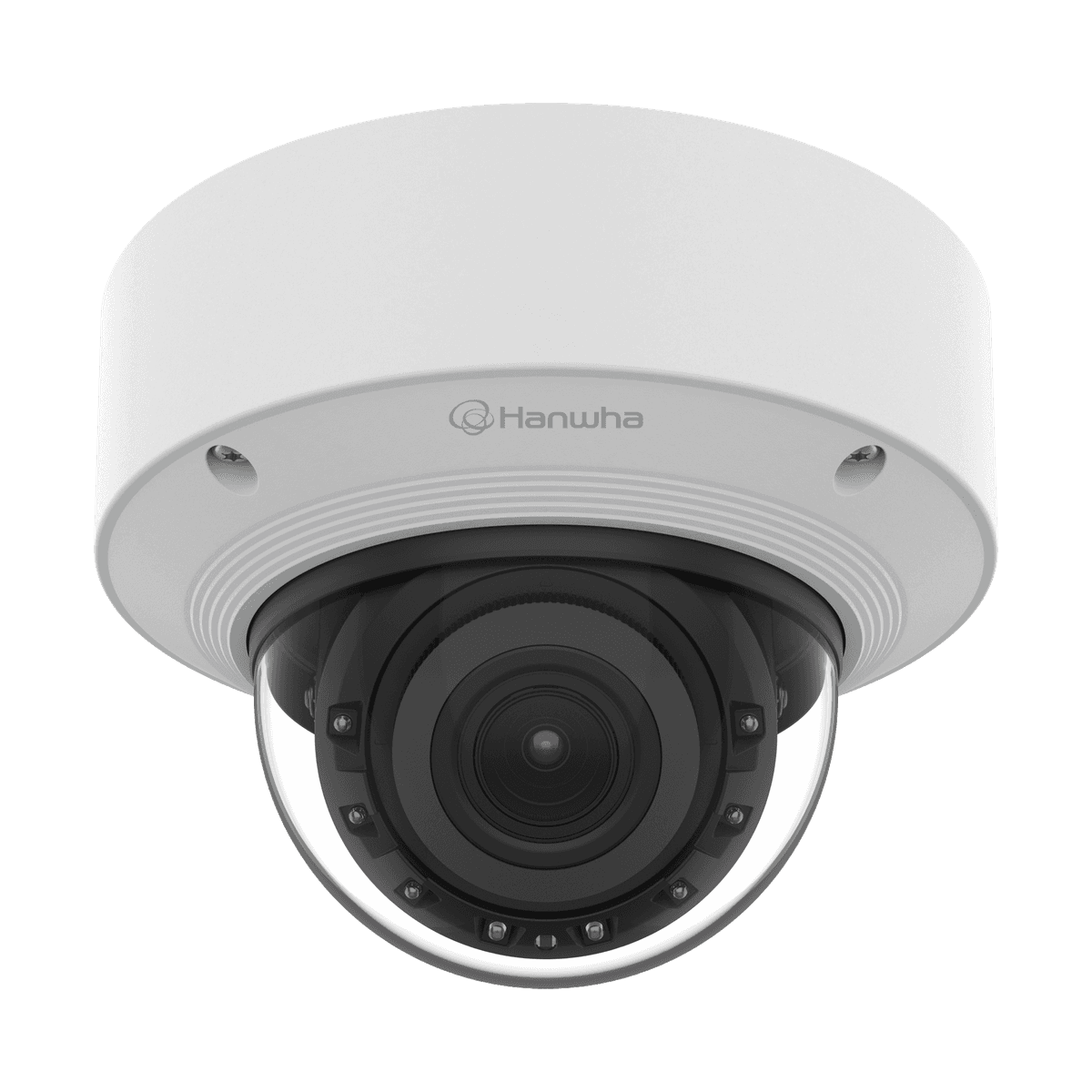
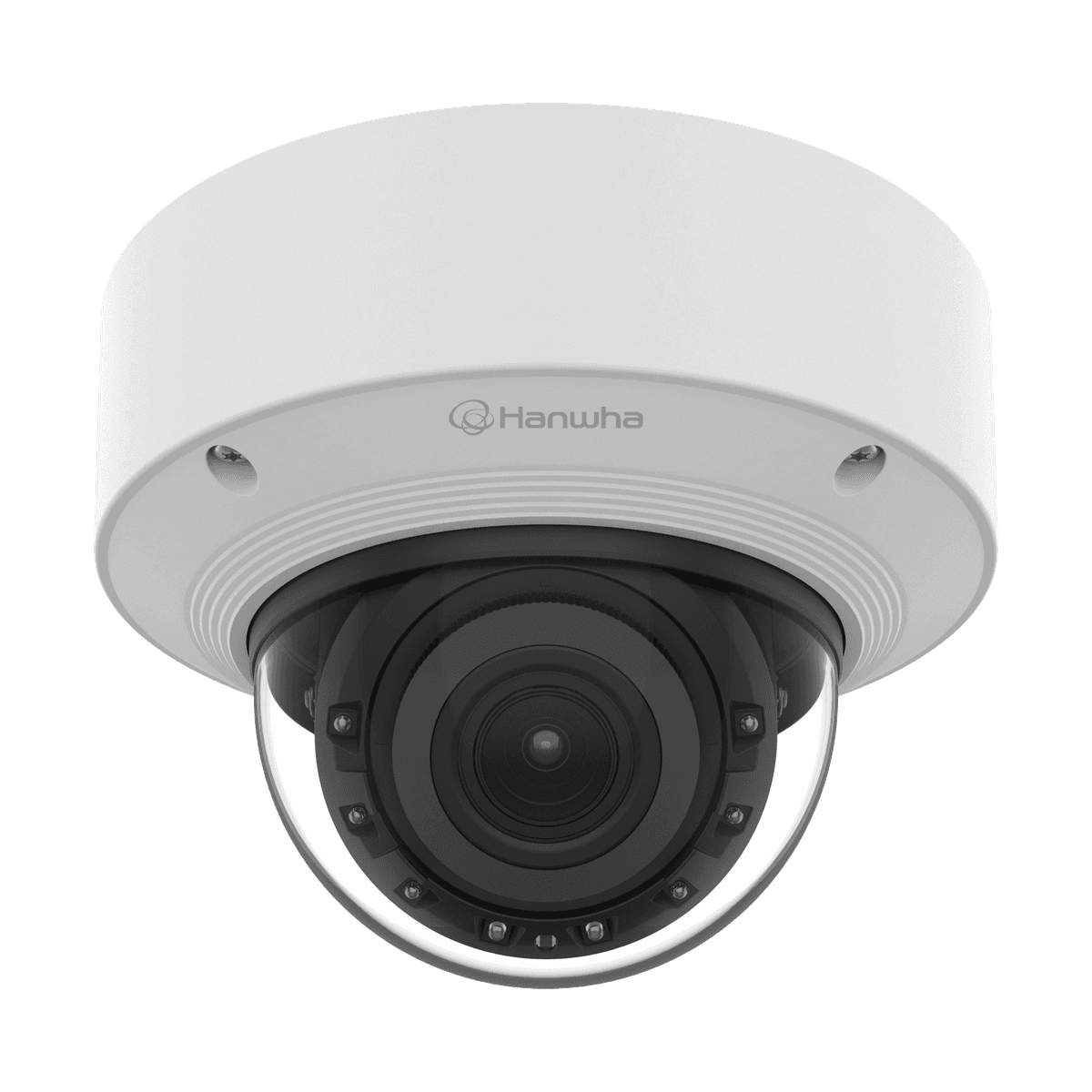
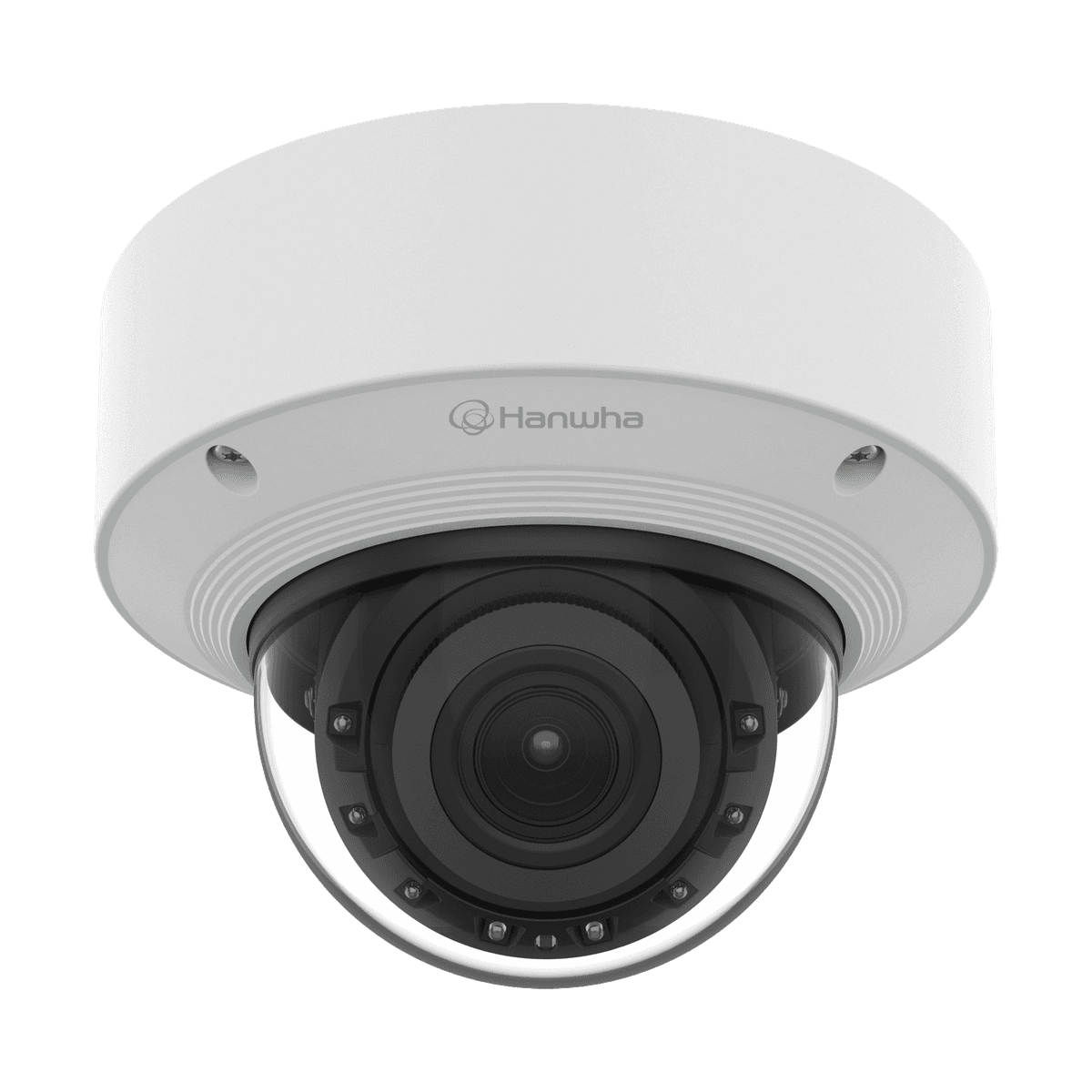
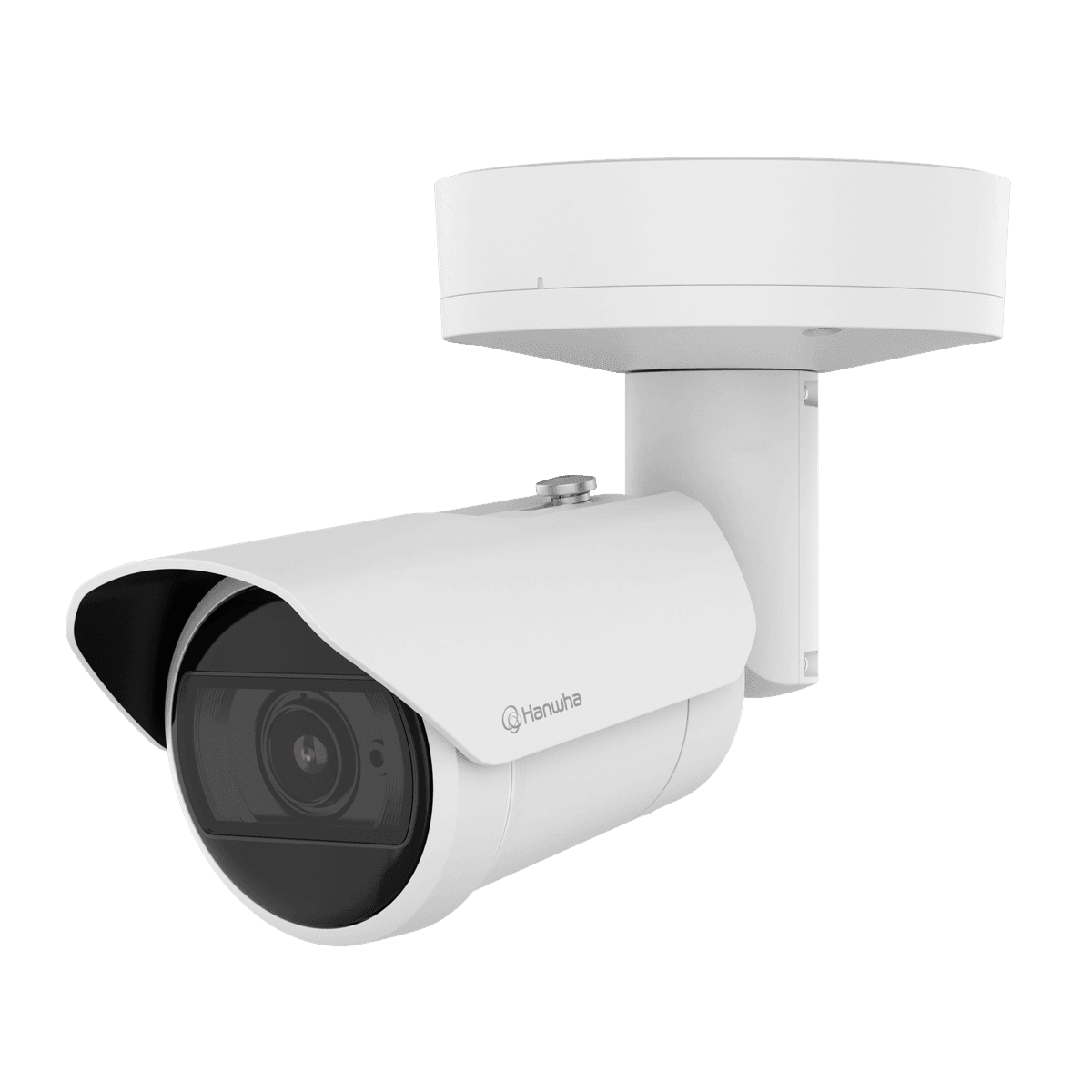
Hanwha Vision's Optics and Imaging technology transforms security cameras to deliver clear and reliable images in any situation.
Hanwha Vision's optical and imaging technologies incorporate features such as Wide Dynamic Range (WDR), thermal imaging, image stabilisation, and WiseIR.
These capabilities are progressively enhanced with the introduction of new products.
extremeWDR with Scene Analysis Technology
Hanwha Vision’s improved multi-frame WDR technology lets you take full advantage of image contrast to see detailed objects clearly even in environments with strong backlight conditions.
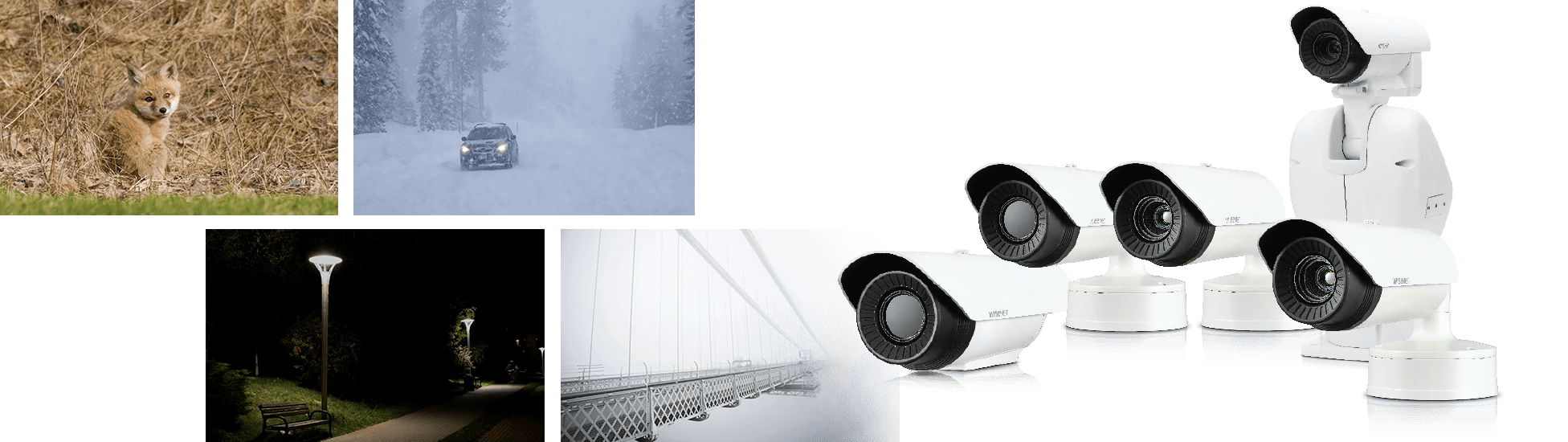
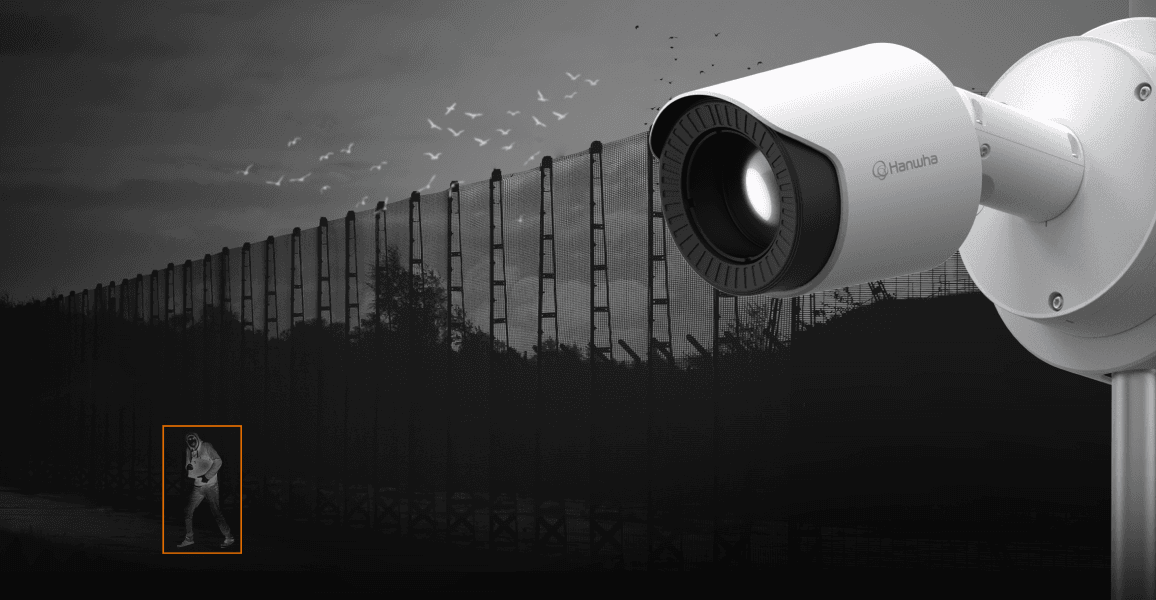
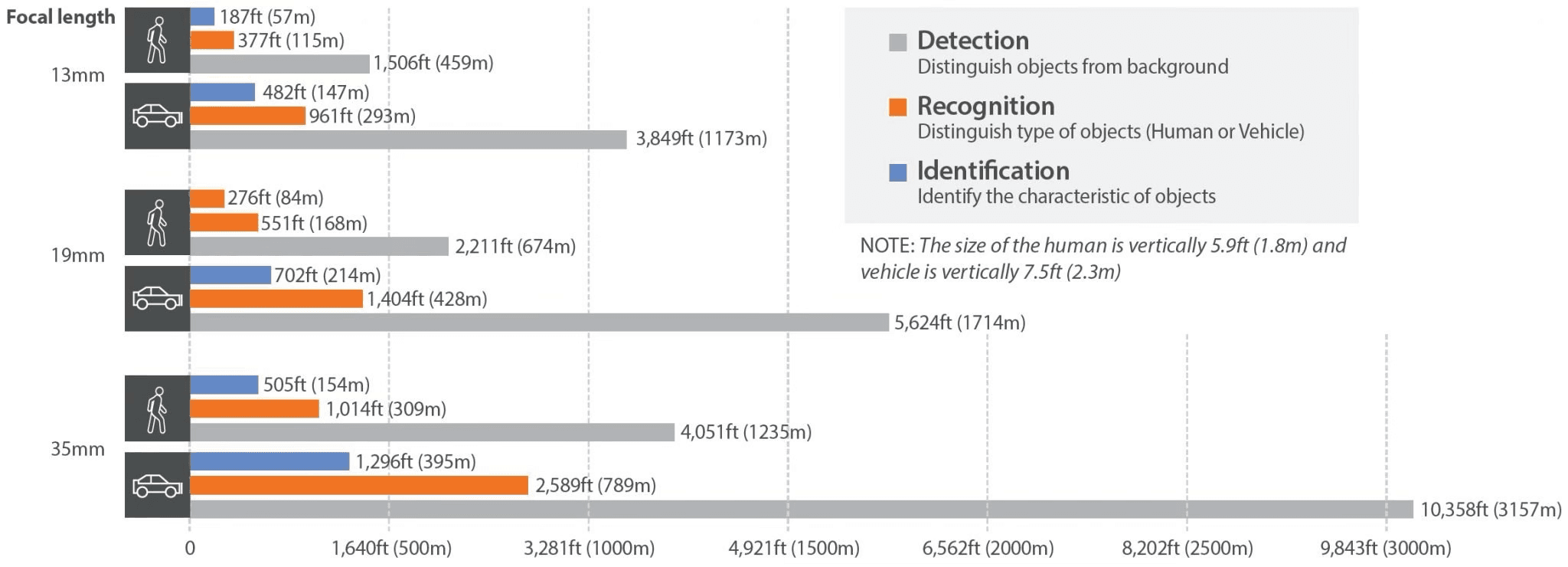
Hanwha Vision thermal and radiometric camera devices identify objects at distances of up to 1.9 miles (3157 m) away in all weather conditions and can monitor facility temperatures for signs of danger with temperature change detection analytics.
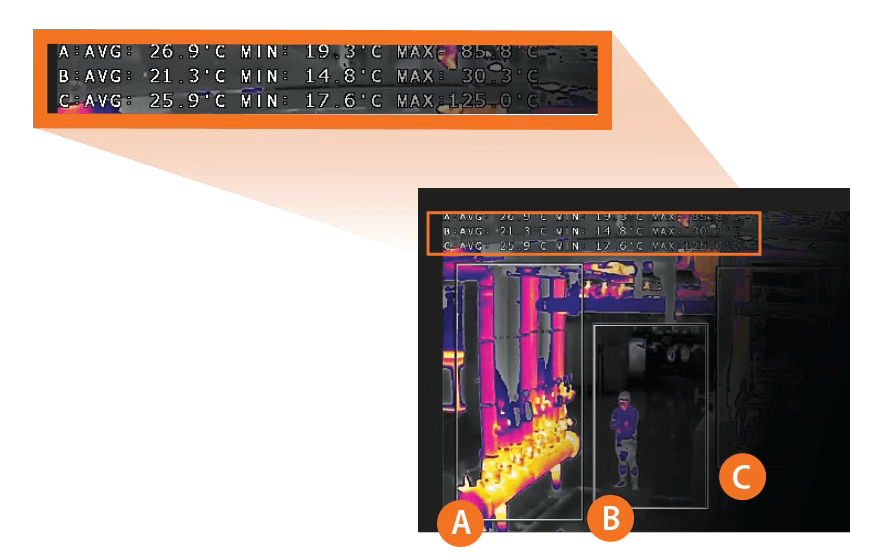
Enhance personnel safety and give warning to potential hazards in industrial settings with custom temperature monitoring zones.
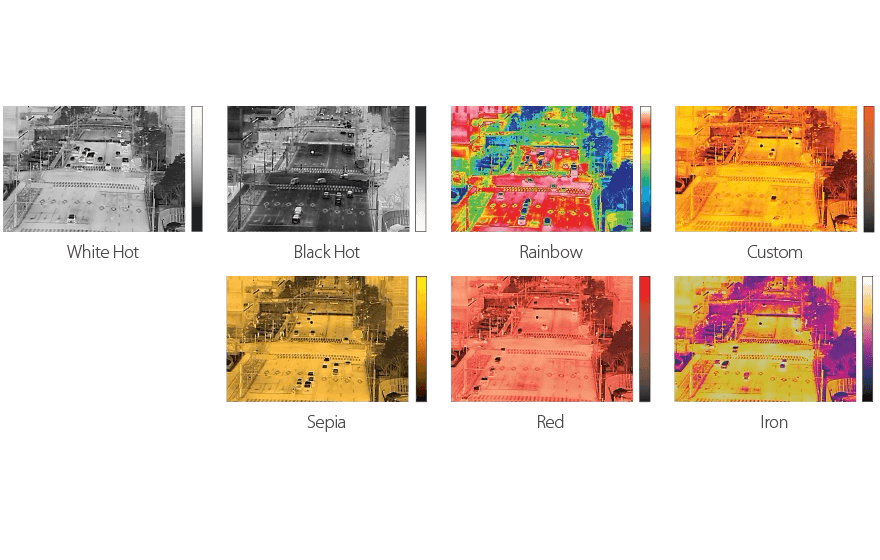
Seven colour palettes are provided, allowing users to select the best image when monitoring a multitude of environments.
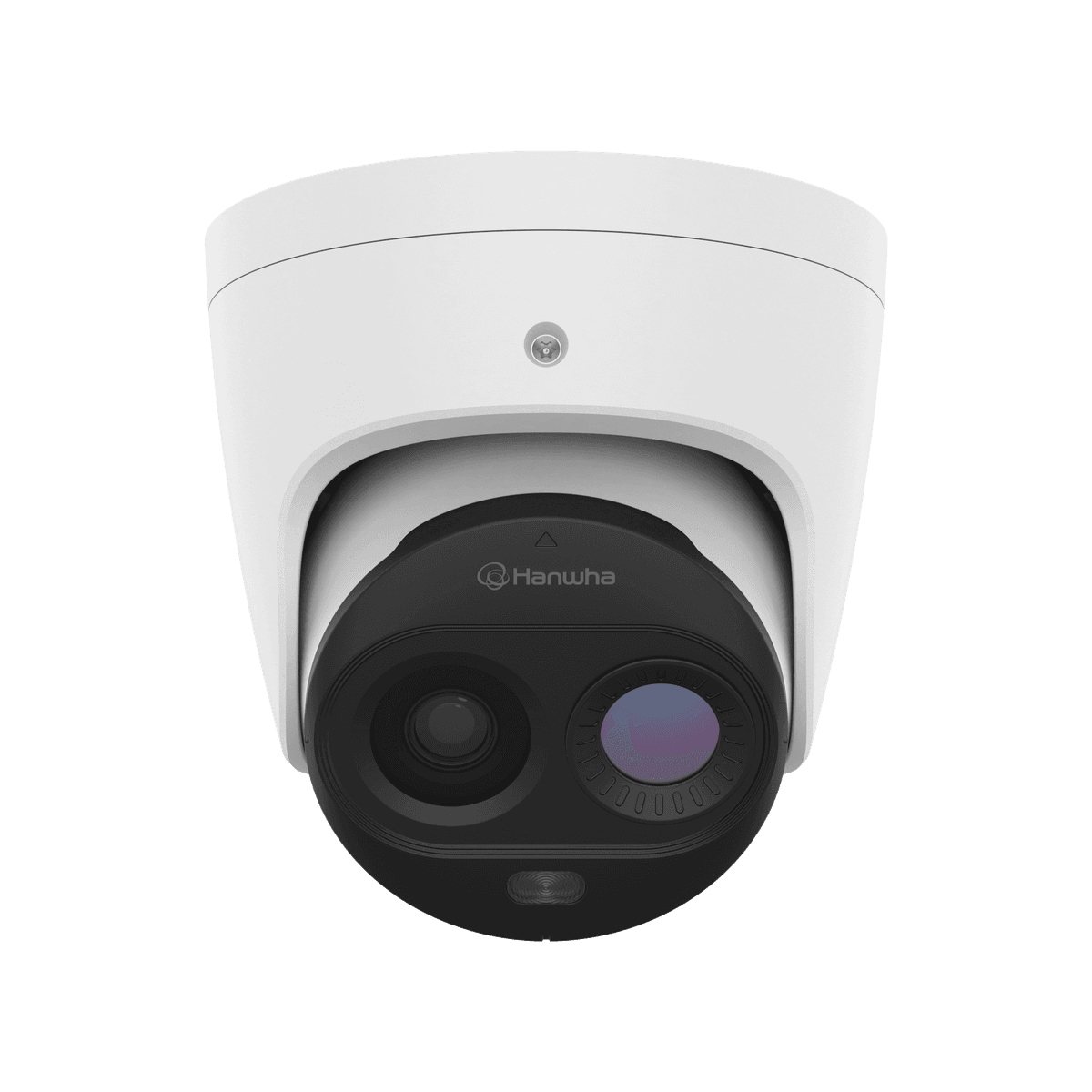
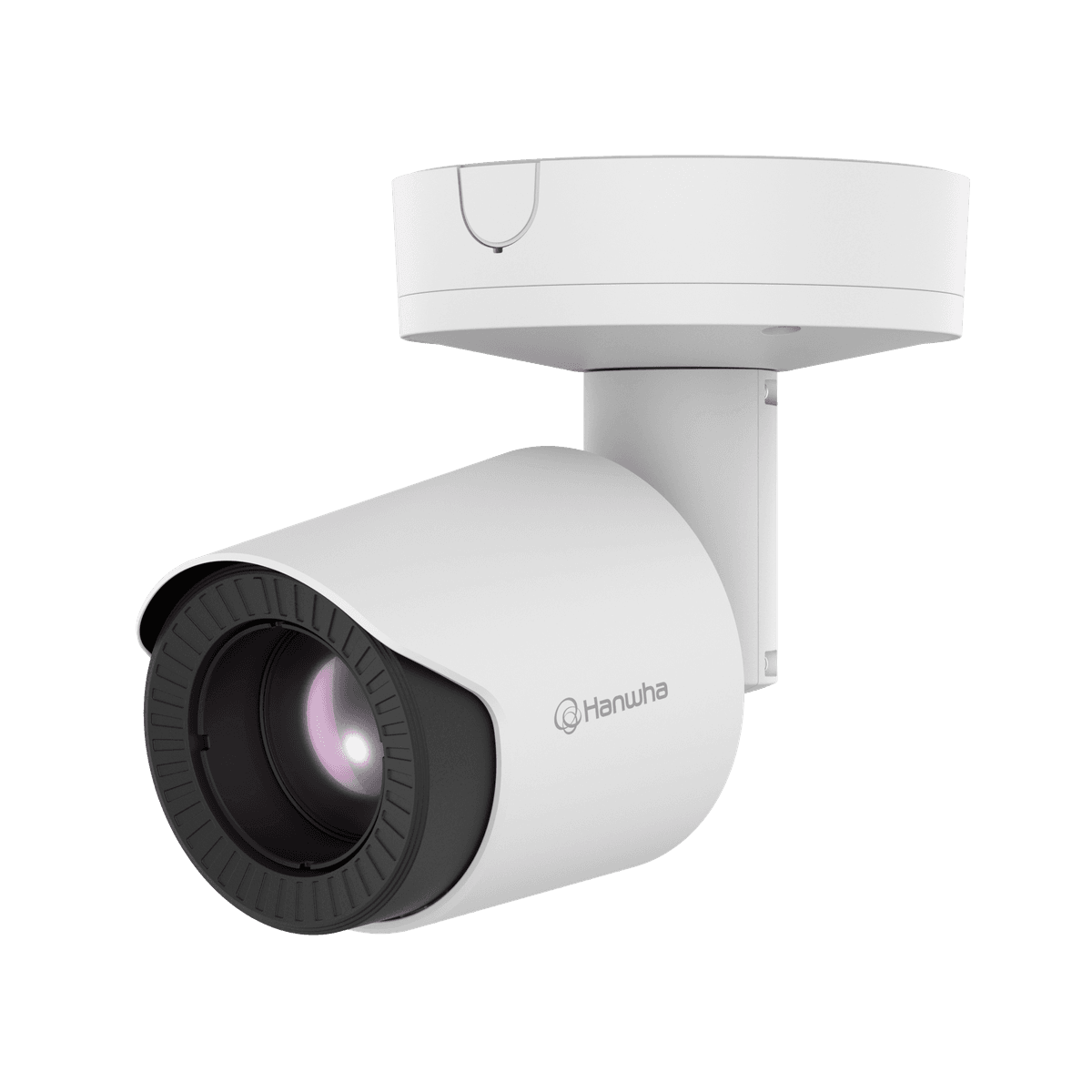
Hanwha Vision’s advanced image stabilisation minimises motion blur from wind or vibration. Using Digital Image Stabilisation (DIS) and Optical Image Stabilisation (OIS), the camera automatically corrects footage to deliver clear, steady images.
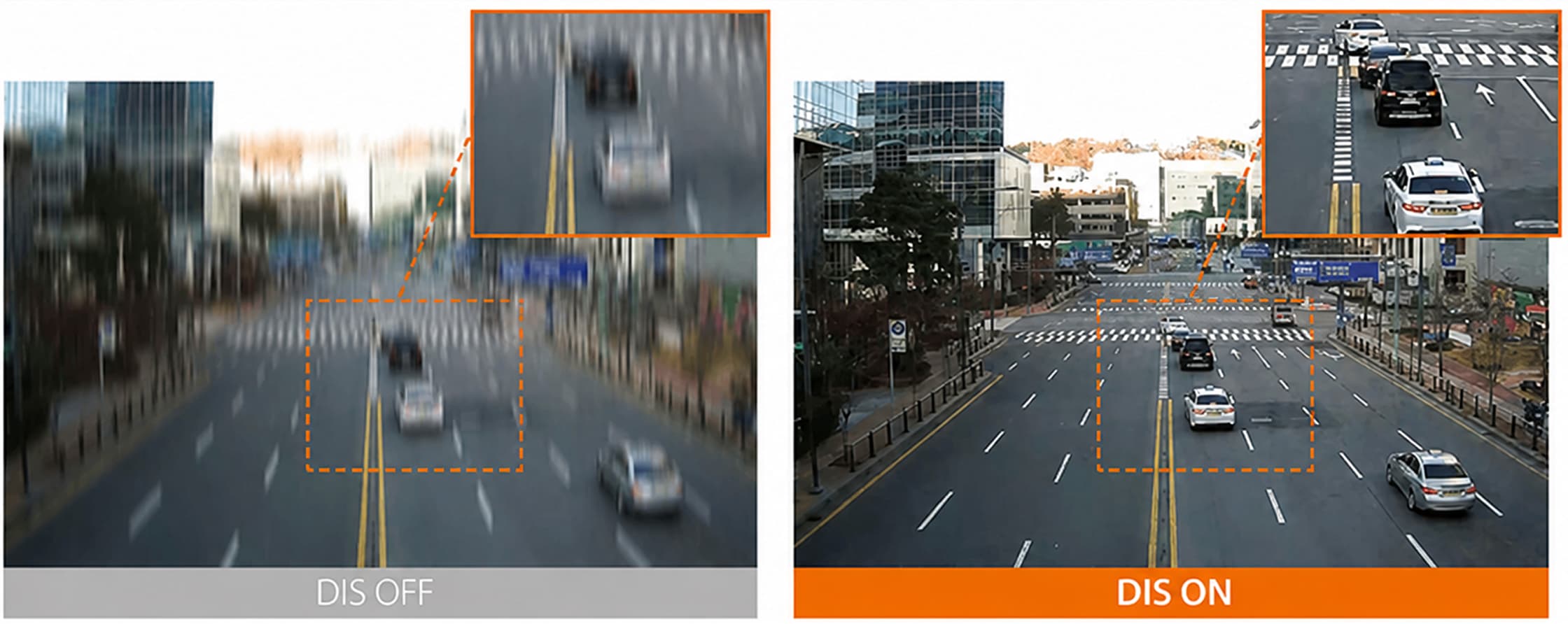
Hanwha Vision's DIS technology analyses captured video through software to provide stable images. By cropping the footage during analysis, it may result in a narrower field of view. This approach proves effective for cameras installed at height, where minor pole vibrations occur, or when using telephoto lenses for long-range detection, as small camera movements significantly impact video quality. Product specifications list DIS and DIS with Gyro options to identify applicable models.
DIS without built-in gyroscope sensor
Employs pure digital analysis of video frames to track and correct motion, achieving clear and stable images without a gyroscope.
DIS with built-in gyroscope sensor
The gyroscope detects angular velocity and vibration in real time, feeding data to the DIS algorithm for precise corrections, particularly in windy or vibrating environments.
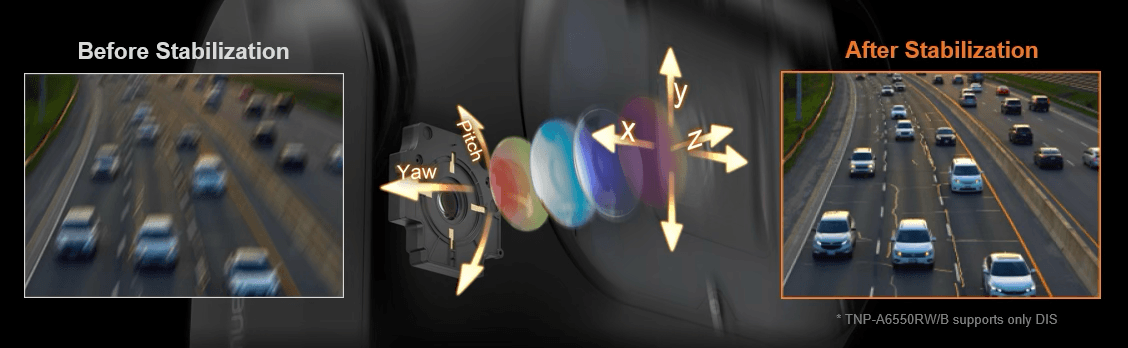
Hanwha Vision's OIS technology mechanically adjusts the lens optical path to compensate for shake. A gyroscope senses camera movement and shifts the lens or sensor in the opposite direction to stabilise the image. This method excels in low-light conditions with minimal image quality degradation.
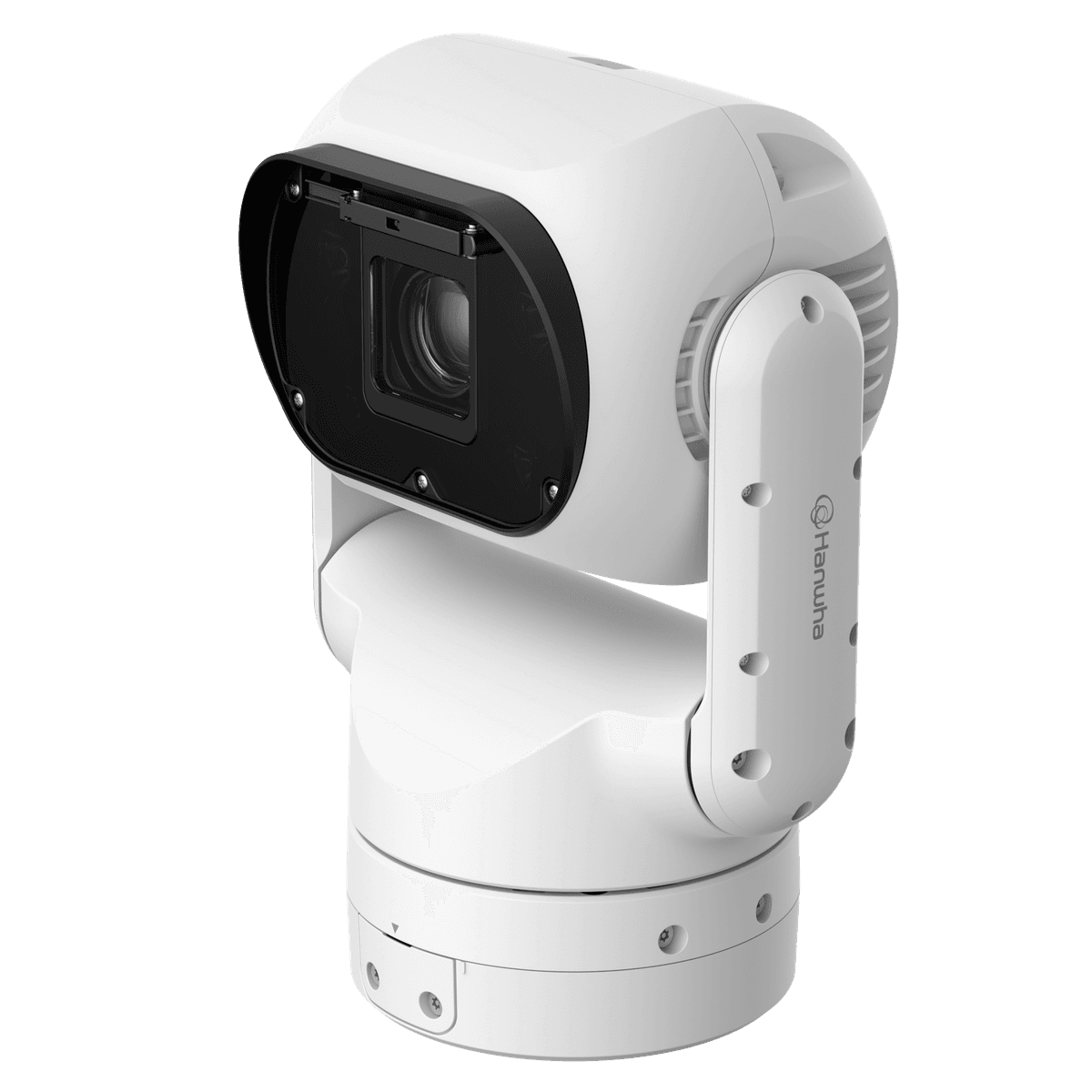
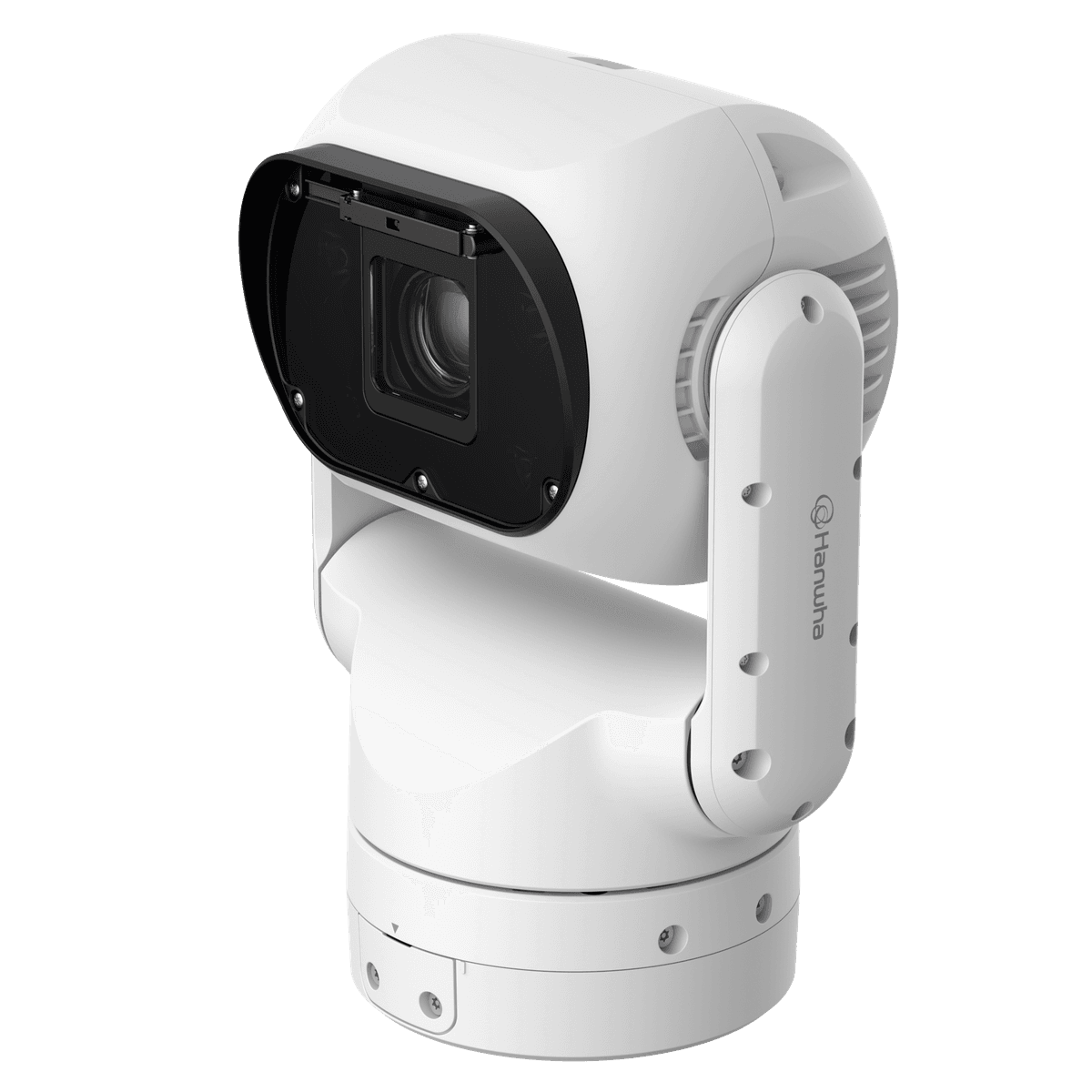
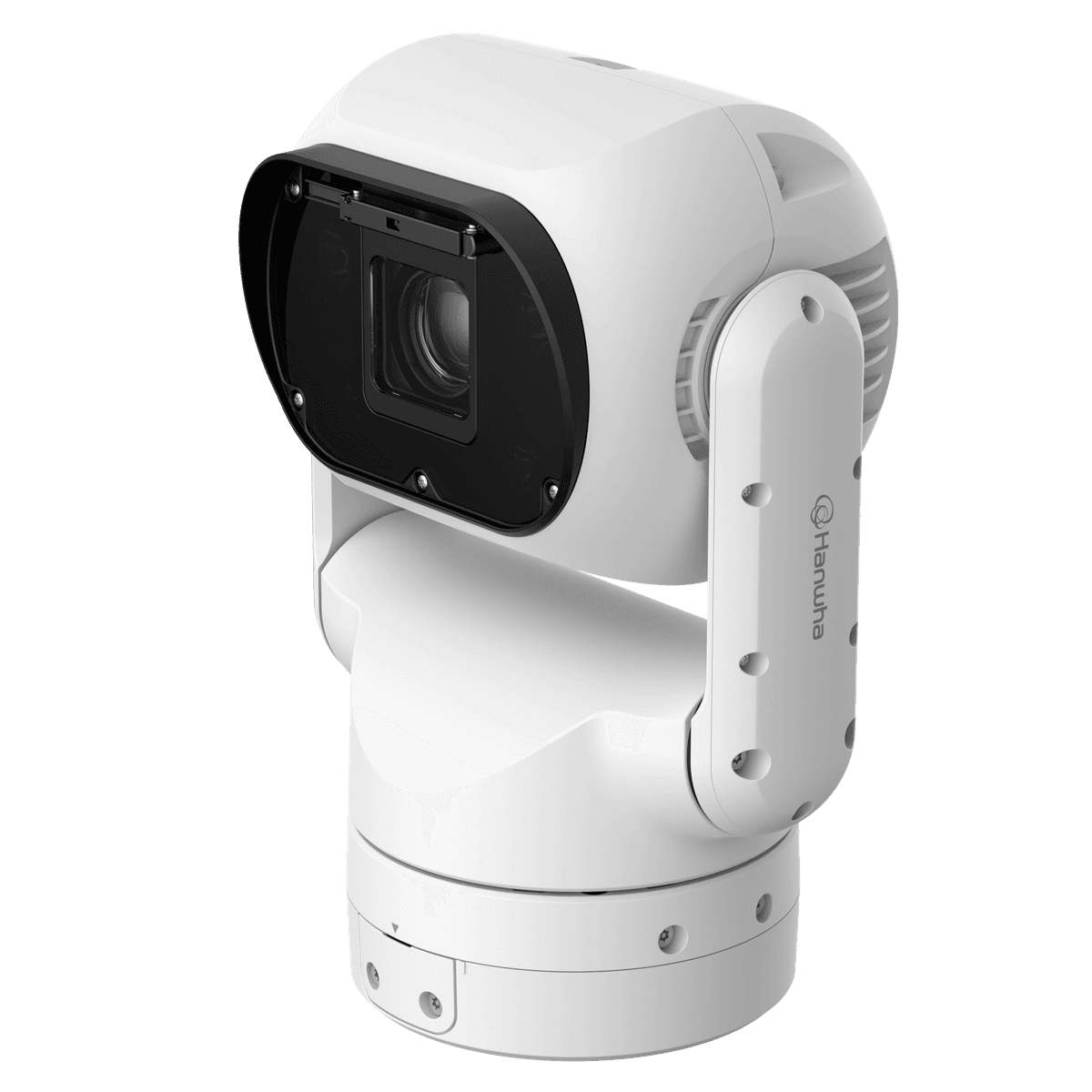
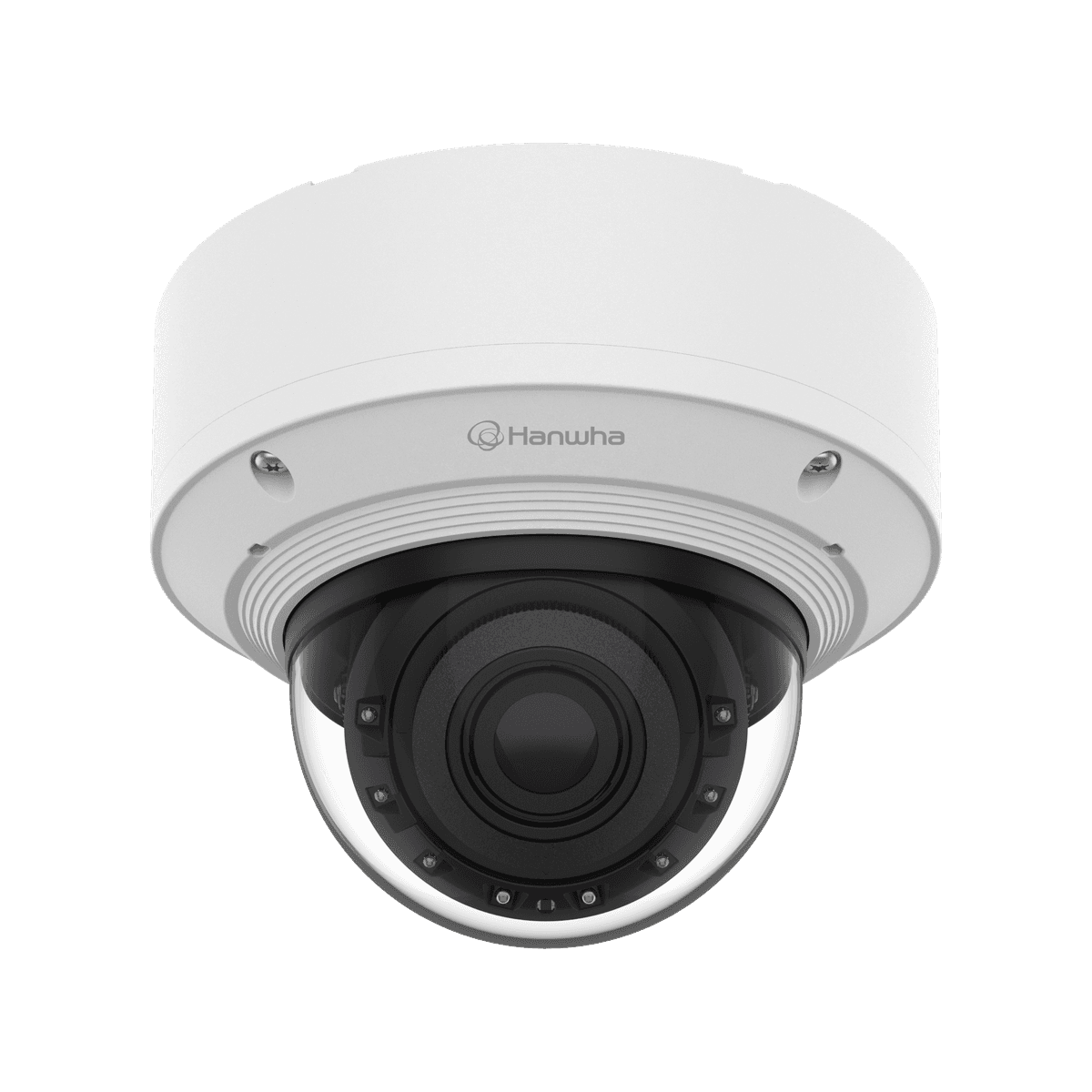
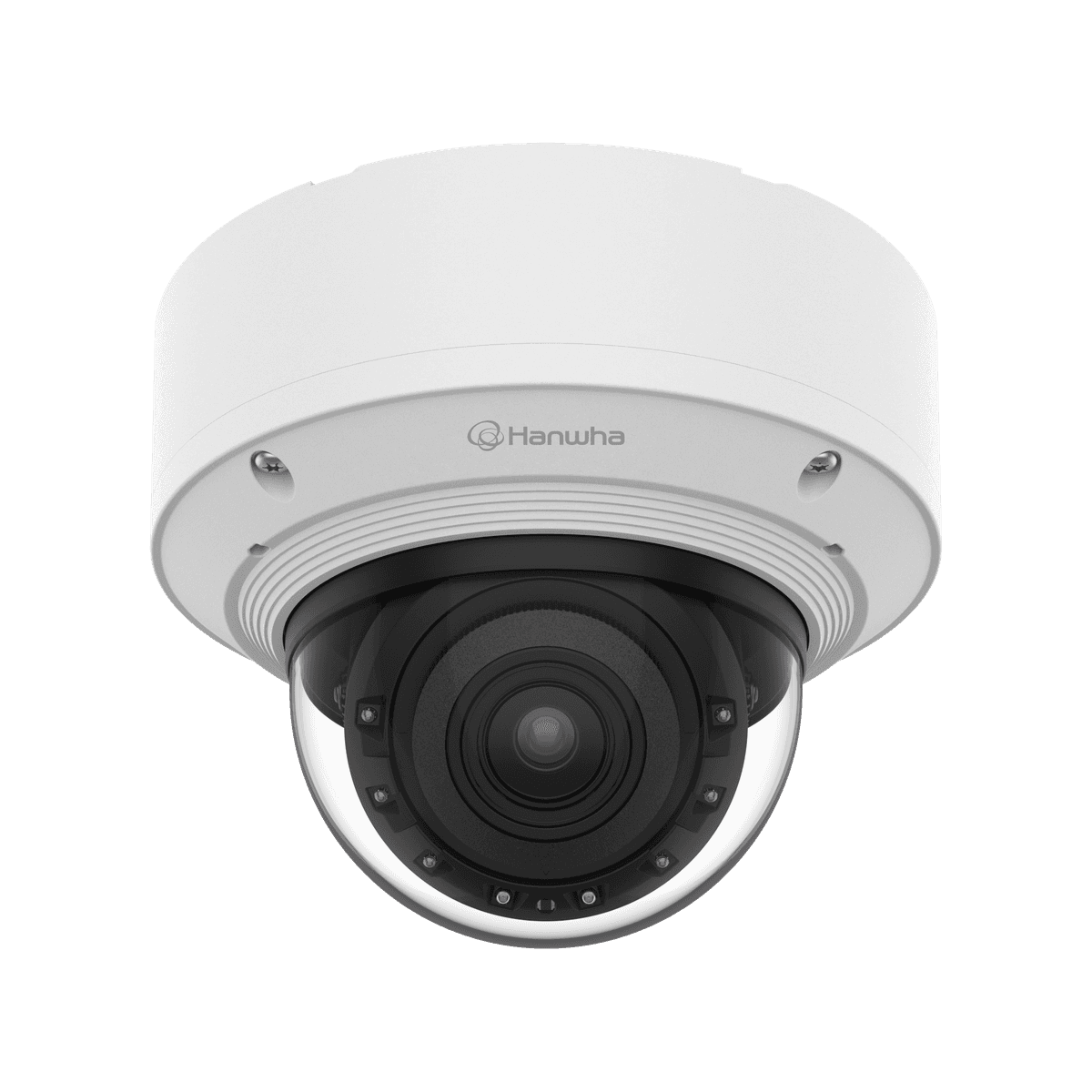
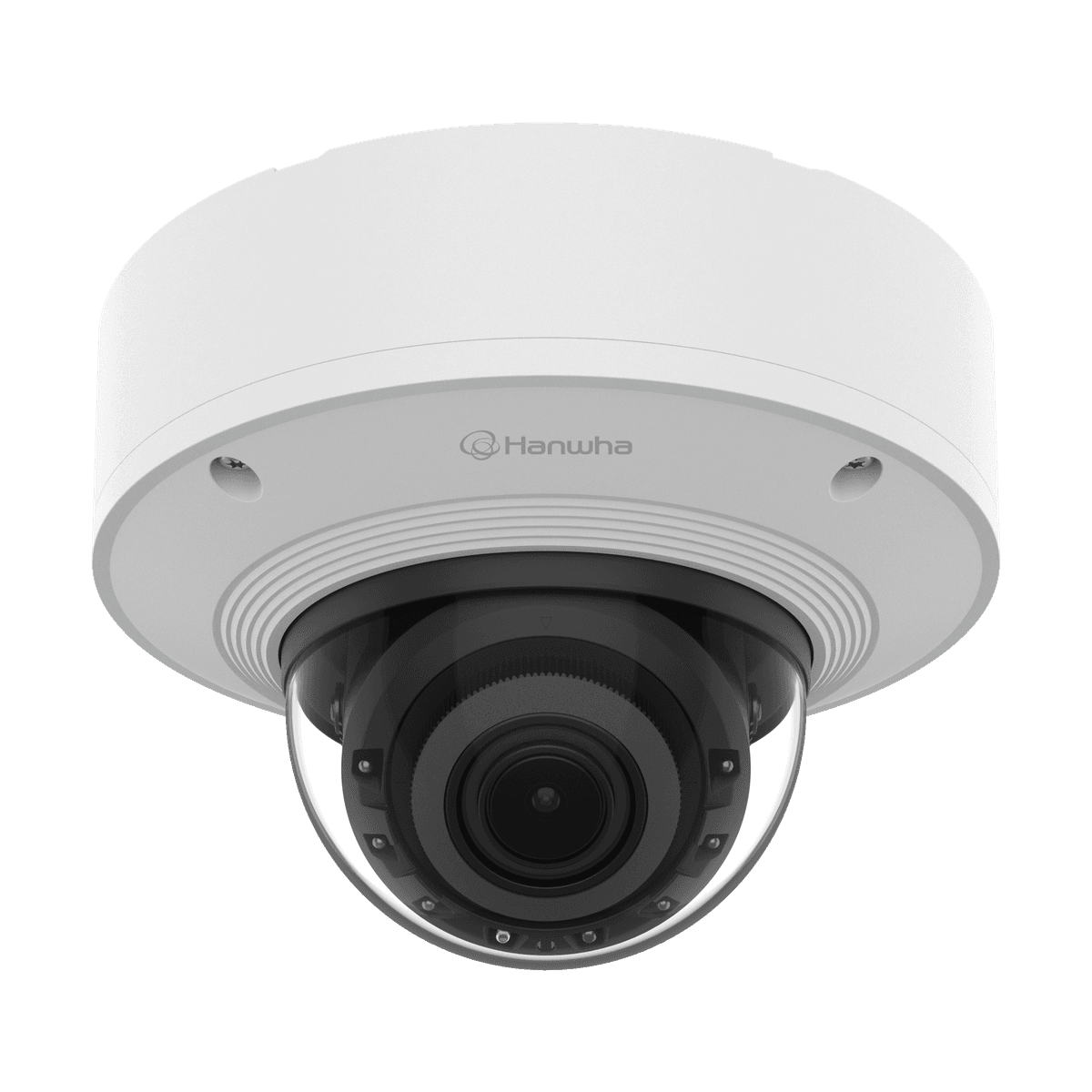
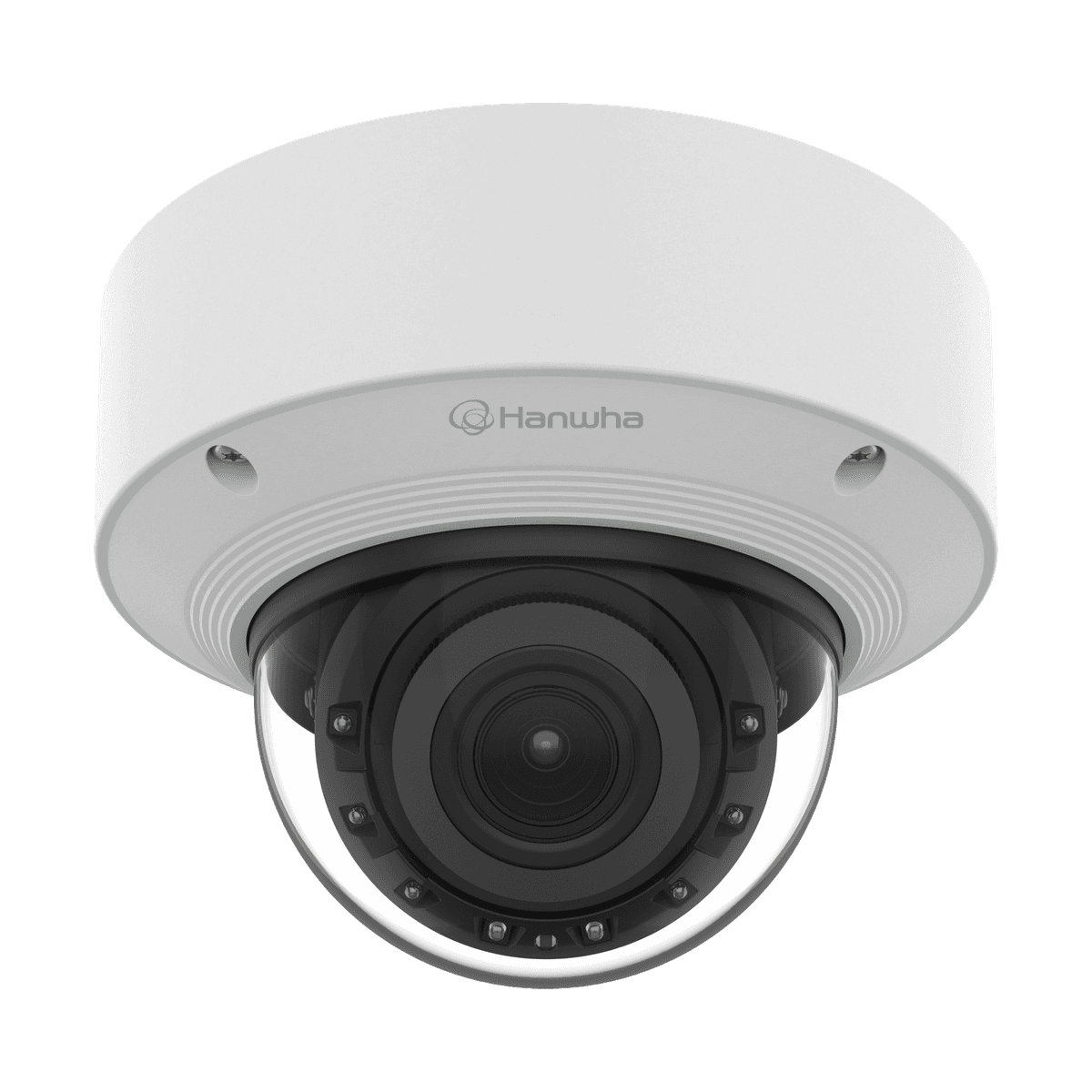
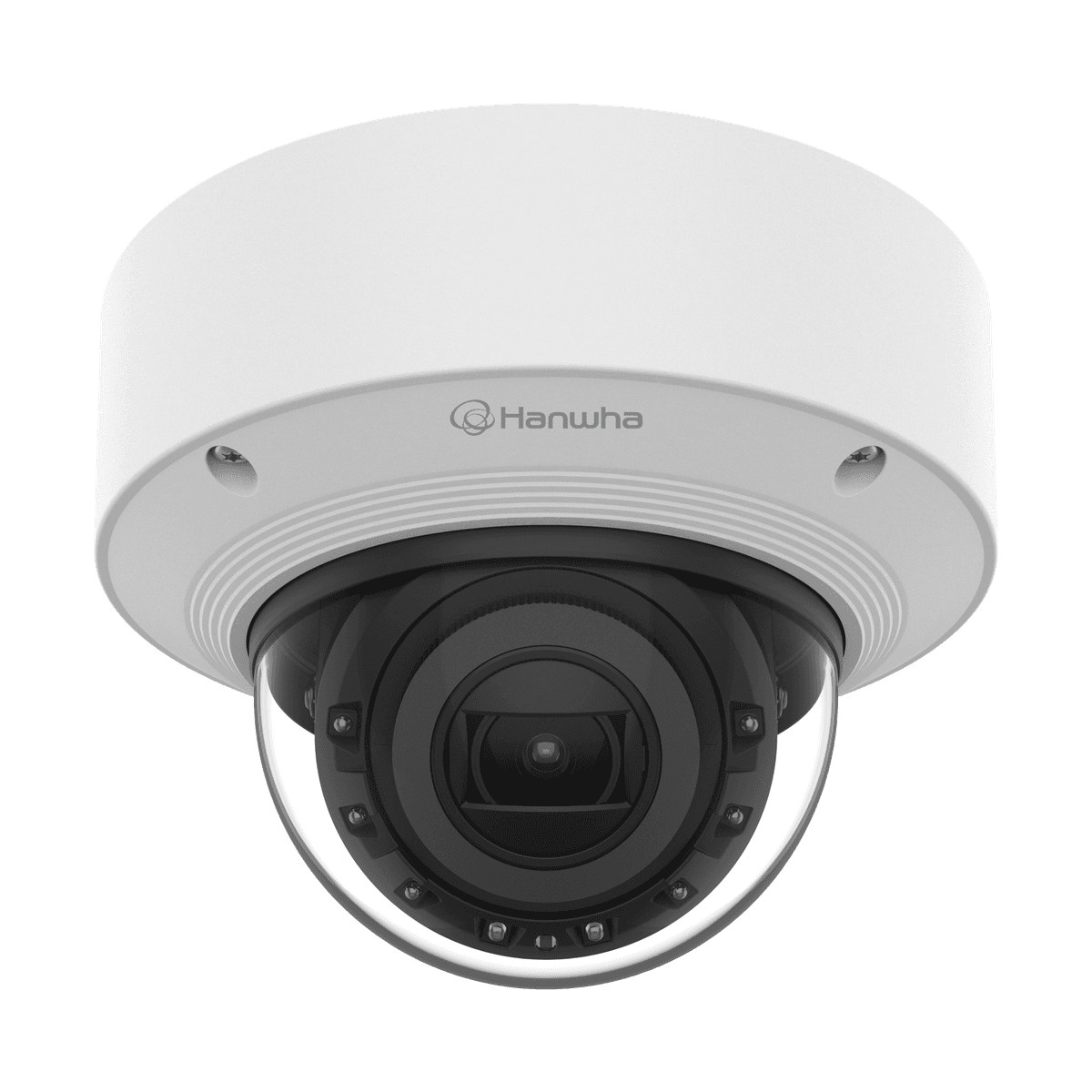
Hanwha Vision’s WiseIR technology combines advanced circuitry and image processing to deliver clearer and more efficient nighttime images under low-light conditions.
Hanwha Vision’s WiseIR simultaneously uses three methods of control over camera IR LED output to reduce overexposure and halo effects in low- and no-light environments
In varifocal and zoom models, Adaptive IR selectively activates wide-angle IR LEDs for short focal lengths and narrow-angle LEDs for longer distances, optimising coverage and eliminating dark edge areas.
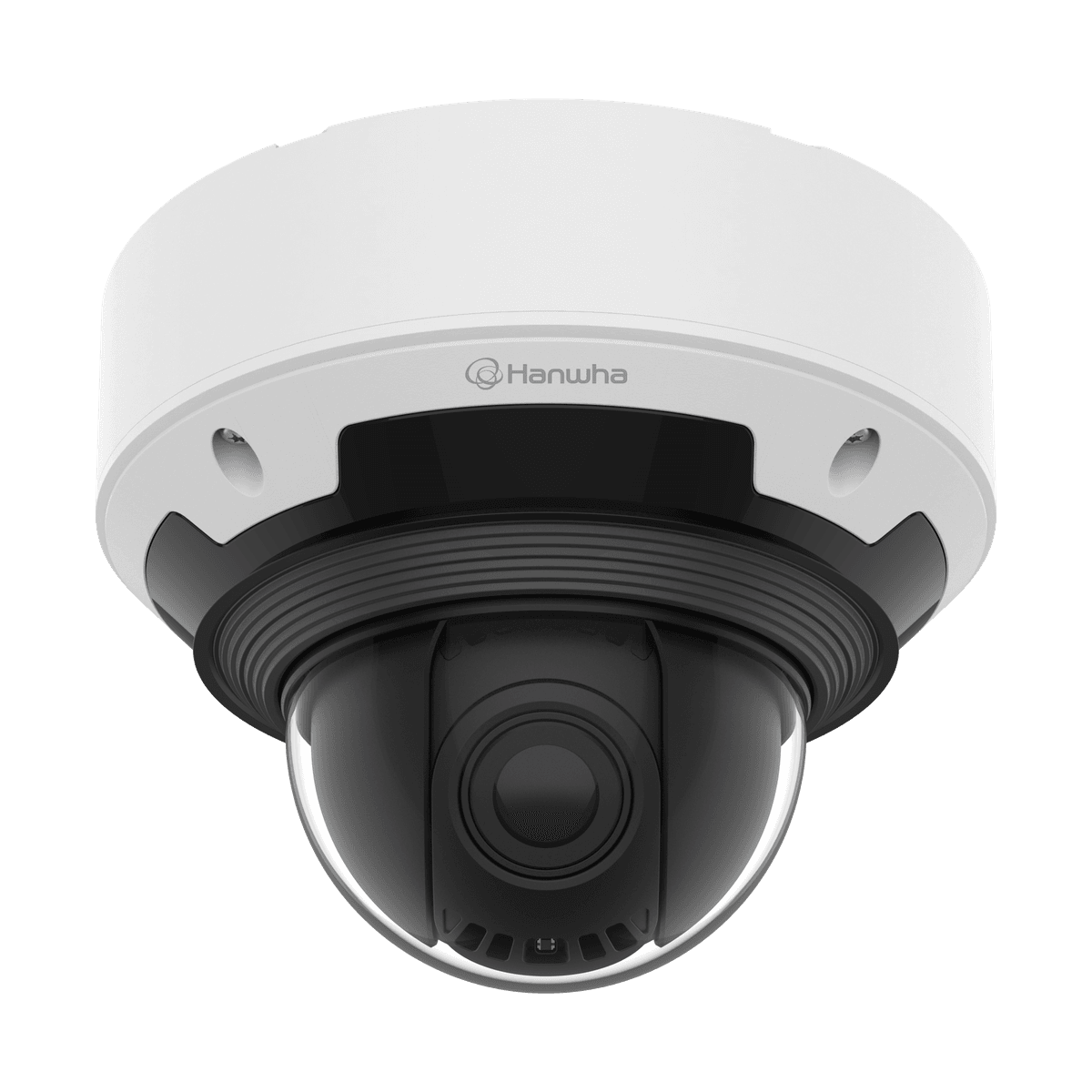
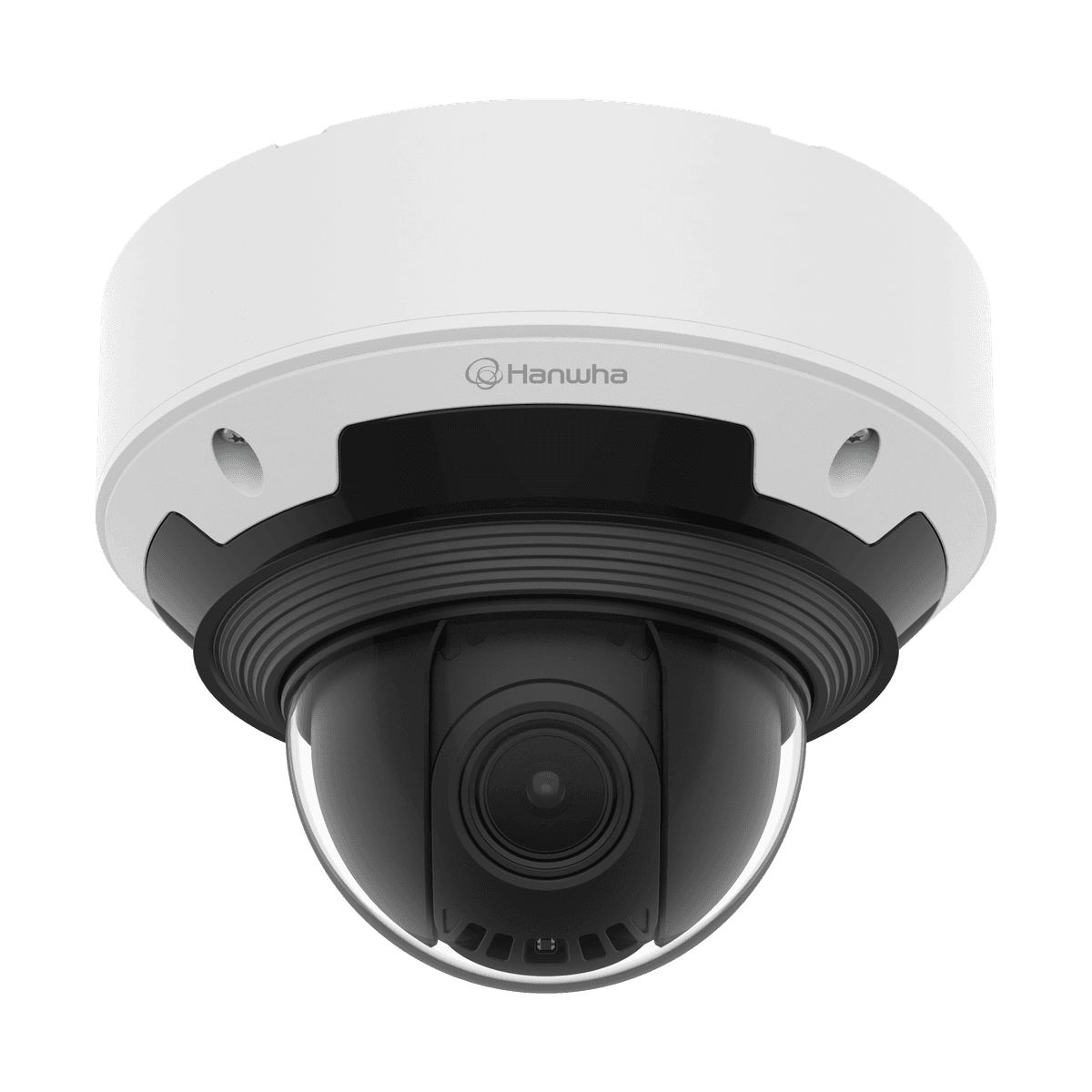
For PTRZ cameras with adjustable lens positions, independent external IR LED banks activate only those aligned with the lens direction, ensuring efficient long-range IR illumination.
As objects approach the camera, reflected IR light can cause overexposure; reducing IR LED power via dimming technology—through frequency-adjusted integrated current—prevents image saturation. In varifocal or zoom models, during focal shifts, current allocation balances power between narrow- and wide-angle LEDs. In PTRZ models, current redistributes dynamically as the lens moves between IR banks, ensuring consistent and effective illumination in the viewed direction.
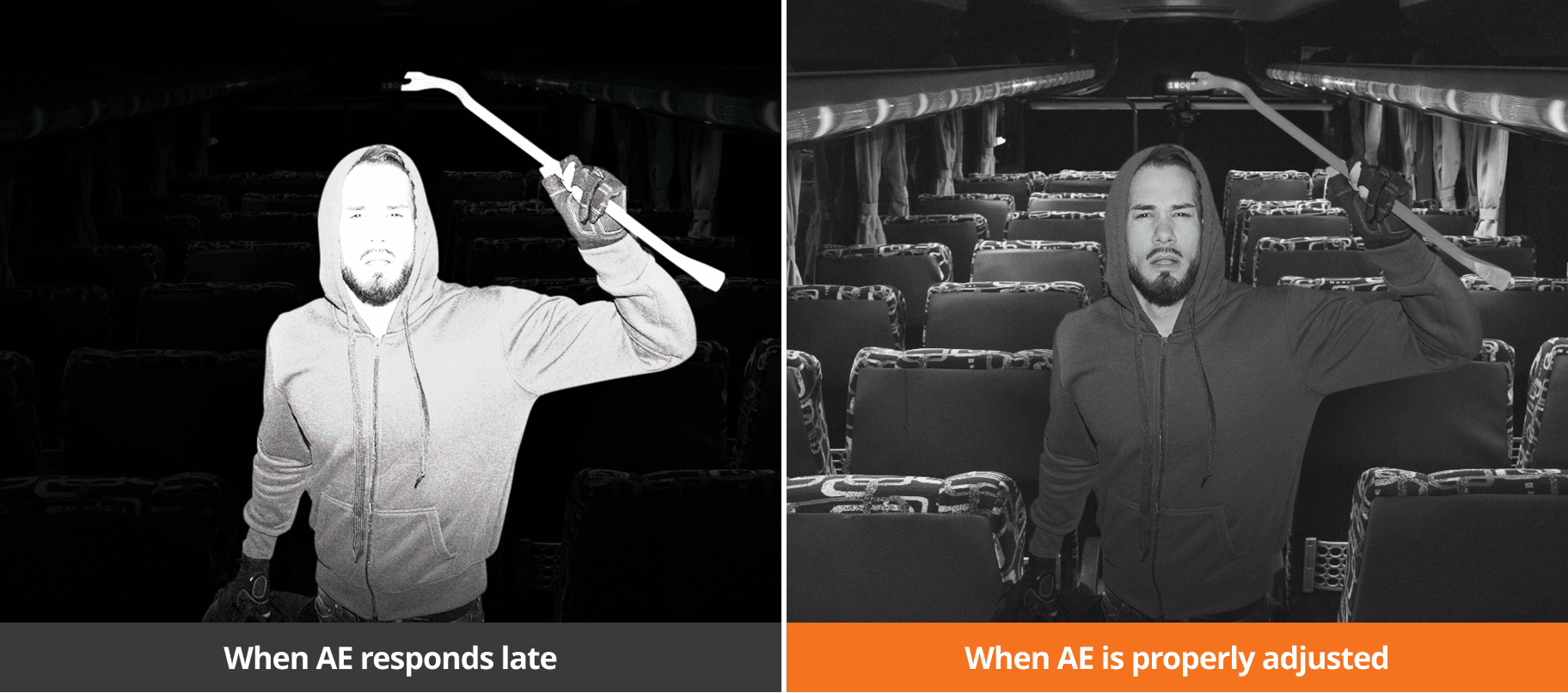
When current control proves insufficient during object proximity changes, AE maintains target brightness by automatically adjusting exposure parameters—shutter speed, iris, and analogue/digital gain—based on frame brightness comparisons.