Transportation
2016-06-01London Midland Stations
Train operating company, London Midland, has invested in the latest generation of IP network video surveillance technology in order to maintain a safe environment for passengers and staff at fourteen of its stations.
London Midland, which has held the West Midlands train franchise since 2007, provides transport for over 60 million passengers each year.
PADS Approval
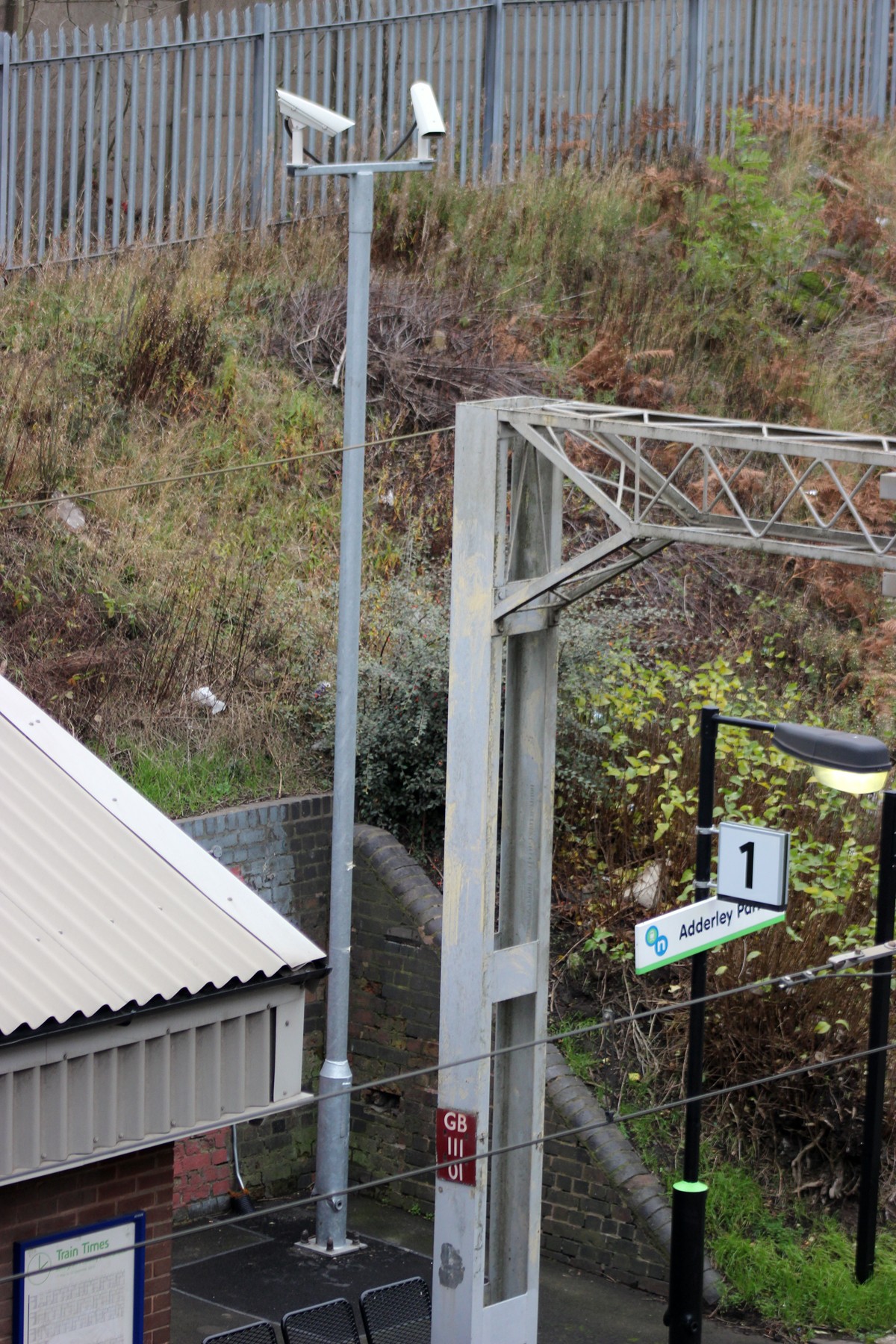
In excess of 300 WiseNetIII IP network, high definition cameras have been installed at the 14 stations by Babcock’s Rail business. “The knowledge we acquired as a Silver Partner of the Hanwha Techwin Europe STEP partnership programme enabled us to identify and recommend the WiseNetIII cameras that were most suitable to help the client meet its objectives at each of the stations,” said Anthony Sykes, Construction Engineering Manager for Babcock.
The issuing of the PADS Certificate of Acceptance for the WiseNetIII cameras follows a process during which the products were evaluated and comprehensively tested to ensure that they are reliable, fit for purpose and comply with Network Rail’s demanding standards in respect of safety.
A combination of SNB-5004 box cameras, SNV-5084 domes and SNF-7010VM 360° cameras have been installed at each of the fourteen stations. Carefully located by Babcock International to ensure that there are no blind spots, they are collectively assisting security personnel and operations managers in their endeavours to ensure compliance with London Midland’s operational procedures, designed to ensure the safety of passengers and staff.
Depending on the number of cameras installed, one or more Samsung SRN-1000 or SRN-1670D network video recorders (NVRs) have also been supplied for each station. Working together with SSM (Samsung Security Manager) software, they enable operators to quickly retrieve and manage recorded video of any incidents.
Where necessary, the images captured by the cameras are being transmitted via wireless technology to the recording devices. At Watford station, for example, a wireless system has provided a cost-effective alternative to the commission of engineering works and the laying of cables that would have been necessary in order to transmit images captured by cameras located in the station’s car park over a distance of 800 metres to where the NVR is located.
Success

Previous
Next