By Sylvain Barzic, National Sales Manager for Transport and l=Logistics Hanwha Vision Europe
As millions of people jet off for their summer holidays or make their way home, airports are under increased scrutiny. For many, their eagerly awaited trip begins and ends in the airport. Meeting passenger expectations with a seamless and secure journey from check-in to boarding is critical at a time when passenger numbers are rising, with almost 1.1 billion air passengers travelling through EU airports in 2025, an increase of 4.8% year-on-year.
Increased complexity ahead
But there are headwinds that airport leaders must navigate through. As critical infrastructure, airports are targets for malicious actors including insiders, cyber-attackers, terrorist groups, and more. Misuse of drone technology threatens the perimeter. Intruders may attempt access to restricted areas, including the airfield. Missing people, left luggage, theft, vandalism, and anti-social behaviour are other challenges that teams have to respond to.
Moreover, the EU Entry/Exit System (EES) is adding pressure to border processing and queue management. Some airports are under pressure to increase capacity to meet future demand.
Profitability and growth are other areas feeling the strain. European airports achieved a net profit of €11.8 billion in 2025, averaging just €4.5 per passenger. Leaders are being tasked with finding new efficiencies, diversifying income, attracting repeat passengers and driving more non-aeronautical revenue through retail, hospitality, car parking and advertising.
All of these challenges are interconnected. Accommodating more passengers, strengthening security and resilience in line with Civil Aviation Authority (CAA) requirements, and delivering a seamless experience all require airport teams to understand what is happening across the site in real time. Modern AI-powered video solutions provide that much-needed visibility. Helping leaders secure airports while improving daily operations and boosting the passenger experience.
From surveillance to insight
Traditionally, cameras have been used at airports to monitor sites, record incidents, and provide evidence after an event has occurred. AI-powered video changes this, enabling security teams to take a more proactive approach to securing airport sites, assets, and passengers, while also delivering insights to inform strategy and improve the passenger experience.
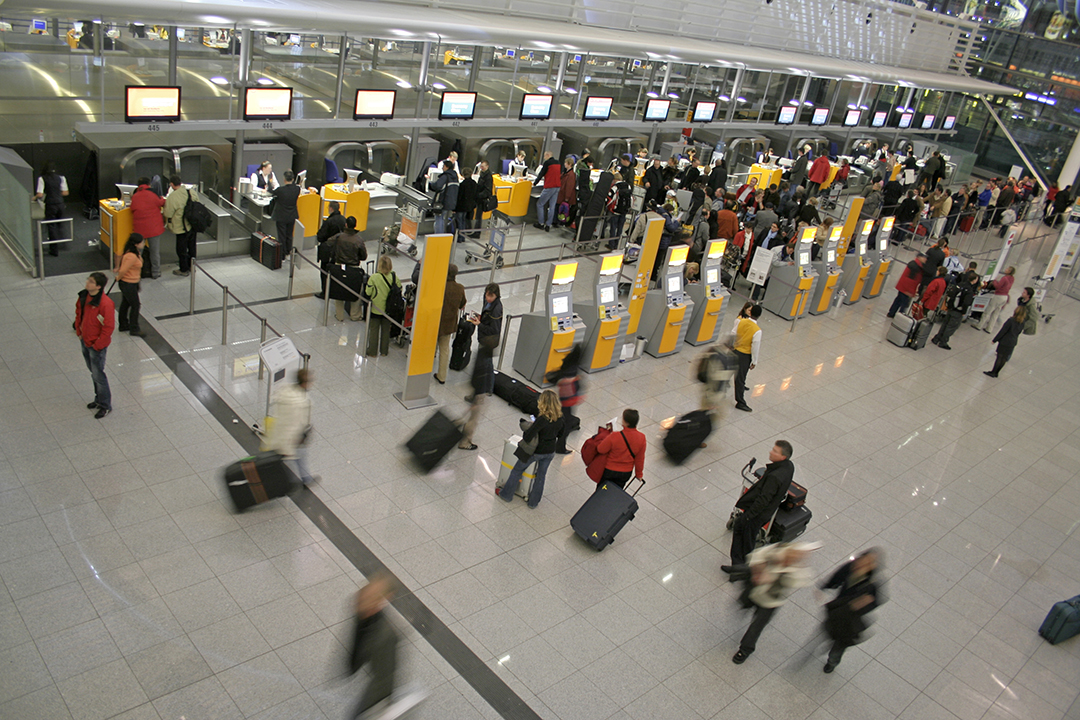
For example, advanced video analytics can identify queues and alert operators, allowing them to open additional check-in desks and security screening areas, or redirect passengers to quieter areas. Maintenance, cleaning and staffing schedules can also be adjusted around busier periods.
Outside the terminal, licence plate recognition and dwell-time analytics can support traffic management, helping teams respond to congestion and direct vehicles to available areas for rapid pick-up and drop-off.
Seeing threats before they escalate
As for security, comprehensive oversight of all areas, supported by continuous monitoring and automatic alerts for objects or events of interest, is critical. This is particularly important as airports contend with increasingly complex threats, from incursion by drones and terrorism to unauthorised access. Rather than relying solely on human operators to monitor numerous screens, AI video surveillance highlights the most critical events requiring human input.
Proactive intelligence supports teams to intervene and respond to events requiring their attention quickly and with essential situational awareness using semantic and similarity search. For example, a missing child can be rapidly located with video footage searched based on what the child was wearing and where they were last seen. Similar footage can be brought up for investigation into their potential direction of travel.
AI-powered video can also detect unusual behaviour such as loitering, people or vehicles in unexpected locations or outside of opening hours, and stopped vehicles. In cargo and back-of-house environments, video analytics can identify events such as slips and falls and alert ground teams to respond.
There is also a compliance benefit. Comprehensive event logs can help airports maintain clearer records of incidents and safety activity, supporting reporting and providing evidence that appropriate procedures are being followed.
AI-powered forensic search can speed up post-event investigations by allowing operators to search footage using visual characteristics and similar attributes. That could help investigate a security incident or establish what happened during an operational disruption. If an investigation is escalated, relevant footage can also be shared with law enforcement.
Delivering a safe and seamless airport experience
AI-powered video is far more than a surveillance tool. It can support the wider business of running a safe, efficient and resilient airport, from managing passenger flows and protecting staff to responding to incidents and improving operational efficiency. As airports become more digitally connected, video can also work alongside other smart-airport technologies, from biometric boarding to automated baggage handling. Barcode-reading cameras, for example, can connect baggage and cargo identification data with video footage, helping operators locate items more quickly, investigate incidents and maintain a visual record of their journey through the airport.
Video can also support both safety and operational efficiency in fleet maintenance areas. Analytics can help identify hazards such as Foreign Object Debris (FOD), monitor whether technicians are following safety procedures and wearing appropriate personal protective equipment, and detect slips and falls. Thermal imaging can also flag unusual temperature changes in equipment, providing an early warning of potential failures or fires. Acting on these alerts quickly can help prevent incidents, reduce unplanned downtime and inform preventative maintenance decisions.
Integrating AI-powered video with these technologies can create a more connected view across IT, physical security and operations, helping teams share information and make faster, better-informed decisions.
Airports are an integral part of the global economy, with passenger numbers set to continue growing as more people take to the skies. Meeting the needs and expectations of the modern traveller will require intelligent systems that give airport teams the information they need to respond in real time, so passengers can get on with what they came to the airport for: starting their journey.
Previous
Next