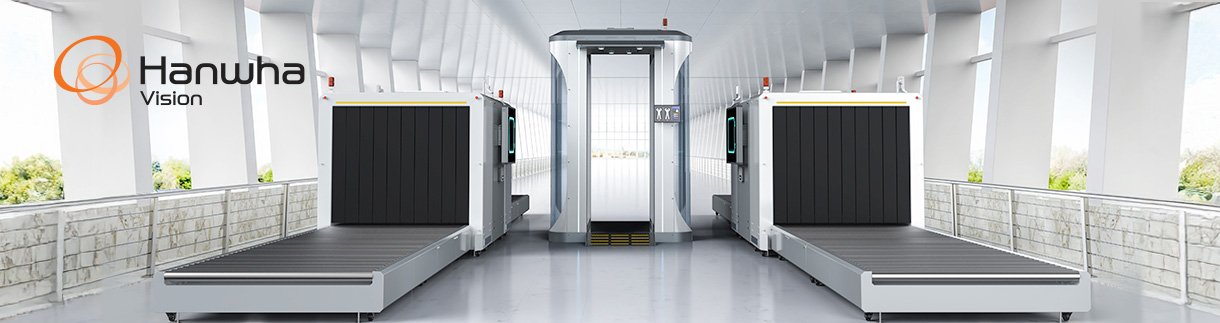
Full-body scanners in airports have sparked significant privacy concerns due to their ability to produce detailed images of passengers' bodies. Critics argue that these scans can infringe on personal privacy, potentially exposing sensitive medical conditions or other private details. However, advancements in scanner technology now often include software that automatically blurs facial features and highlights potential threats rather than displaying detailed anatomical images, addressing many of these concerns. Nonetheless, misconceptions persist about their capabilities and the data they capture.
Despite these privacy debates, full-body scanners offer undeniable security benefits that make them an essential part of modern airport security. They are designed to detect non-metallic threats, such as plastic or liquid explosives that metal detectors might miss. Understanding how these scanners operate and their role in enhancing safety can help address public apprehension and underscore their importance in protecting travelers worldwide.
How Do Airport Body Scanners Work?
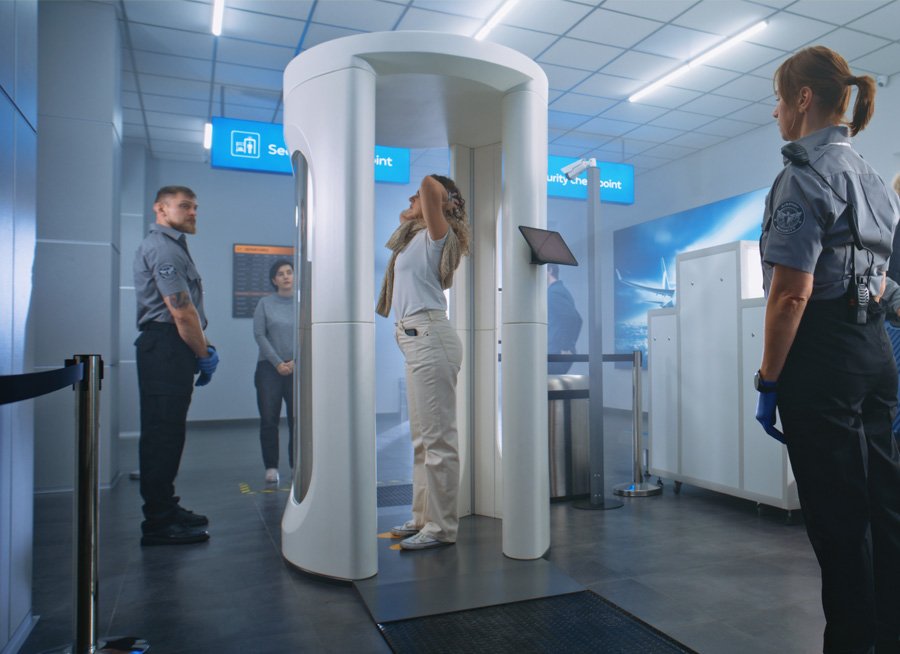
Airport body scanners utilize low-energy radiation, such as millimeter waves or backscatter X-rays, to generate 3-D images of passengers. These waves penetrate clothing but reflect off the skin, enabling the scanner to construct an image that highlights objects concealed on or under garments. Unlike traditional metal detectors that only identify metallic items, body scanners can detect a wider range of threats, including plastics, liquids, ceramics, and innovative composite materials.
This capability enables the identification of non-metallic explosives and weapons that might otherwise bypass standard screening methods. The advanced imaging technology provides a thorough risk assessment, significantly enhancing security protocols and helping prevent dangerous items from being taken onto aircraft. By addressing a broader spectrum of threats, full-body scanners play an integral role in modern airport security systems, ensuring the safety of passengers and personnel alike.
What Do Airport Body Scanners See?
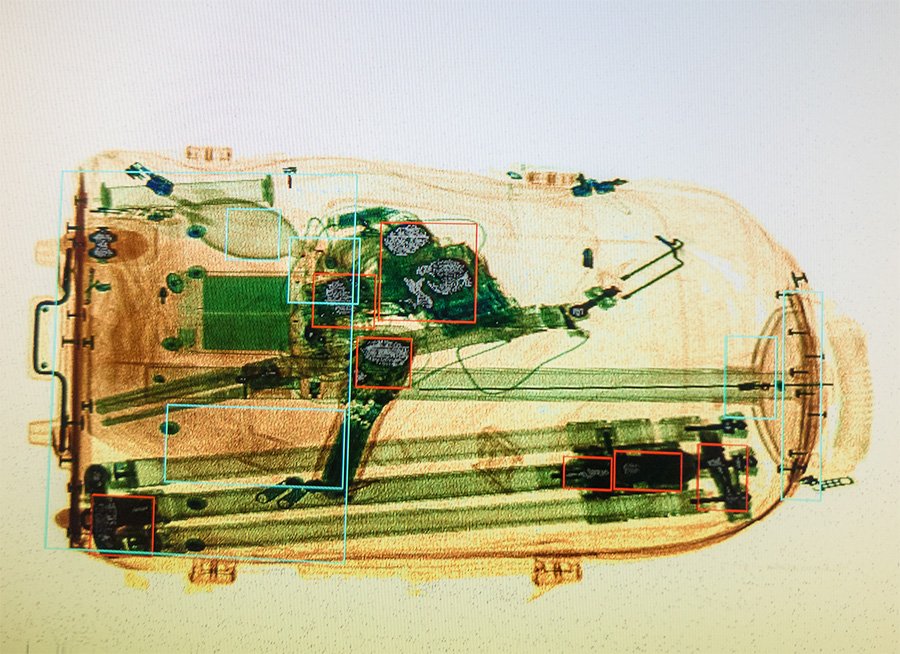
Airport body scanners generate images with a level of detail sufficient to identify concealed items without revealing explicit body contours. The images produced by millimeter-wave scanners appear more generic, with a gingerbread-man-like silhouette rather than a clear, anatomically detailed representation, which helps protect passenger privacy. The scanner's software automatically analyzes the image for anomalies, highlighting areas where concealed items might be hidden.
If the system flags a person, a generic body outline appears on a screen with markers indicating the location of potential threats to ensure minimal human interaction with detailed images. This automated process verifies that any alert focuses solely on potential security risks rather than unnecessary personal details, balancing security needs with privacy concerns. By maintaining this balance, airports can enhance passenger security while addressing privacy issues, reassuring travelers about the protection of their dignity during the security screening process.
Can Airport Scanners See Inside Your Body?
Since airport body scanners are designed to detect concealed items hidden under clothing, they don't have the capability to see inside a person's body. These scanners use harmless millimeter-wave technology to create a detailed image of the surface of the body, capturing objects concealed from the naked eye. The technology identifies external anomalies rather than anything internal, focusing solely on potential threats.By ensuring that the scanner's capabilities are limited to surface-level detection, airports effectively enhance security measures without compromising a passenger's personal privacy regarding internal or anatomical details. This ensures travelers remain safe and comfortable, while security personnel maintain high standards for detecting possible threats as the security landscape continues to evolve.
Are Airport Body Scanners Safe?
Concerns about radiation from airport body scanners primarily revolve around potential health risks. However, these risks are minimal. Most scanners use non-ionizing radiation, which lacks the energy to damage DNA. Even ionizing radiation from backscatter X-ray machines is low-level, comparable to the cosmic radiation experienced during a brief flight.
The Transportation Security Administration (TSA) employs strict standards to limit exposure, ensuring passenger safety. While some travelers may worry about the cumulative effects of radiation, the Environmental Protection Agency (EPA) states that the health risk from these scanners is very low.
Do You Have To Go Through Full-Body Scanners at the Airport?
Passengers who prefer not to go through a full-body scanner at the airport have the option to request a manual pat-down instead. This alternative is available to accommodate personal, medical, or privacy concerns that individuals might have regarding the use of scanning technology. The pat-downs are conducted by trained security personnel and are designed to be respectful and as unobtrusive as possible.
Passengers who choose this option can expect the process to be thorough, ensuring that security standards are upheld. While a pat-down may take a little longer than passing through a scanner, it offers peace of mind to those who prefer a more traditional security check. This flexibility in security screening methods reflects efforts by airports and the TSA to accommodate different needs and concerns while maintaining a safe environment for all travelers.
Other Critical Components of Airport Security
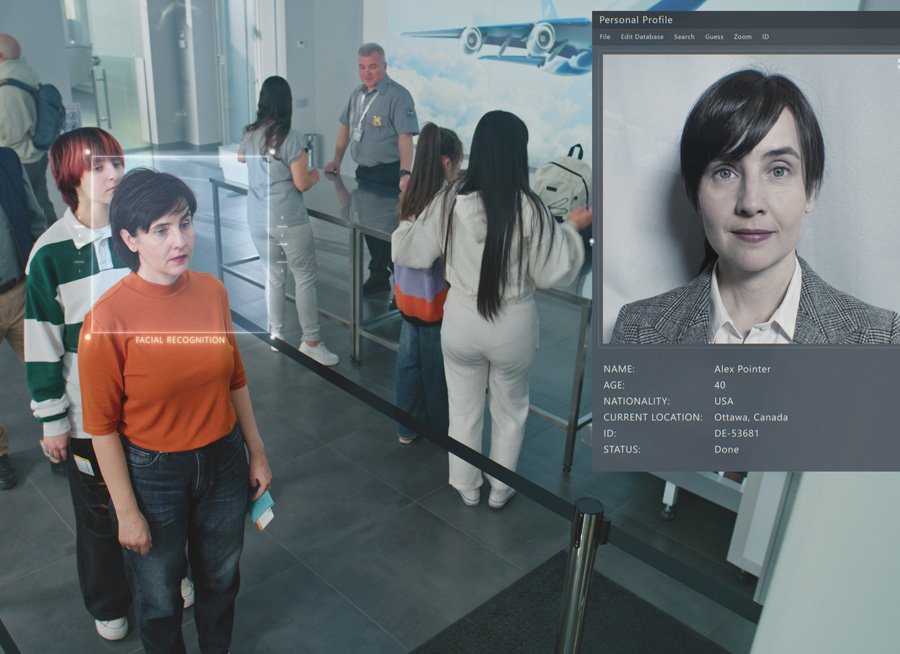
Body scanners are just one integral component of a comprehensive airport security system designed to protect passengers and staff. This multi-layered security approach is necessary to address the complexity of modern threats, especially those directed at government agencies. Each element works in tandem to ensure safety and efficiency at airports worldwide.
Beyond body scanners, a robust security framework involves a variety of critical elements. Surveillance systems, access control, behavioral detection, perimeter security, and cargo screening each serve an important role. Individually, these components are specifically designed to best detect a certain type of problem. Together, they create a secure and streamlined travel experience for all passengers, setting the foundation for safer skies.
Surveillance Systems
Airport security relies on multiple elements to ensure passenger safety. Surveillance systems monitor activities and detect threats in real time. Access control restricts entry to sensitive areas, preventing unauthorized access. Behavioral detection focuses on identifying suspicious behavior that might indicate potential threats. Perimeter security protects the airport's boundaries, ensuring no breaches occur. Cargo screening inspects all goods for hazardous materials, preventing acts of terrorism.Advancements in technology have significantly enhanced these security measures. High-definition cameras provide clearer images for surveillance systems, while biometric access control, such as fingerprint or retina scanning, enhances accuracy in identifying individuals. Video management tools can also be used to detect objects left behind, making it easy to spot potentially dangerous items throughout the airport.Enhanced perimeter security technologies, like infrared sensors and drones, offer better monitoring and response capabilities. Advanced X-ray and computed tomography (CT) scanning technologies have further revolutionized cargo screening, making it faster and more accurate. These technological improvements collectively contribute to more effective and efficient airport security.
Access Control
Access control is imperative in airport security as it regulates who can enter sensitive areas, such as control towers, runways, and restricted zones. This prevents unauthorized access and potential threats. Traditional methods, like keycards and passwords, are now enhanced by technological advancements such as biometric systems, including fingerprint and retina scanning, which ensure higher accuracy in verifying identities. These innovations minimize human error and enhance security by making it exceedingly difficult for unauthorized individuals to penetrate secure areas.Moreover, modern access control systems offer real-time monitoring and instant alerts, enabling faster responses to security breaches. Integrating artificial intelligence (AI) into security systems further strengthens them by analyzing patterns to predict and prevent unauthorized access. These technological advancements have made airport access control more robust, reliable, and efficient, ultimately safeguarding critical airport infrastructure and ensuring passenger safety.
Behavioral Detection
Behavioral detection is an element of airport security focused on identifying suspicious behavior that may indicate potential threats. Its significance stems from the ability to potentially identify nefarious intentions before an incident occurs, complementing physical security measures. Traditionally, this effort relied heavily on trained security personnel observing travelers, which – while effective – is labor-intensive and susceptible to human error.
Perimeter Security
Perimeter security prevents unauthorized access to airport grounds, protecting both passengers and infrastructure from potential threats. Technological advancements have significantly enhanced perimeter security through sophisticated sensors, drones, and AI-powered surveillance systems.
These technologies offer real-time monitoring, intrusion detection, and rapid response capabilities, reducing human error and improving overall security efficacy. For example, advanced AI analytics systems can analyze patterns and detect anomalies, providing alerts to security personnel for swift action. Consequently, these advancements deliver a more robust, proactive approach to ensuring airport safety and mitigating risks before they escalate into security breaches.
Cargo Screening
Cargo screening ensures the safety of passengers and prevents the smuggling of illicit materials through air transport. Advanced technology like X-ray imaging, CT scanners, and AI algorithms enhances cargo screening by providing detailed imagery and automated threat detection. These cutting-edge systems increase detection accuracy and processing speed, allowing security personnel to identify potential threats faster.
AI also helps analyze and flag anomalies in cargo, reducing human error and ensuring high levels of security while maintaining smooth logistical operations. These advancements create a safer flying environment by effectively preventing dangerous items from reaching an aircraft.
Previous
Next