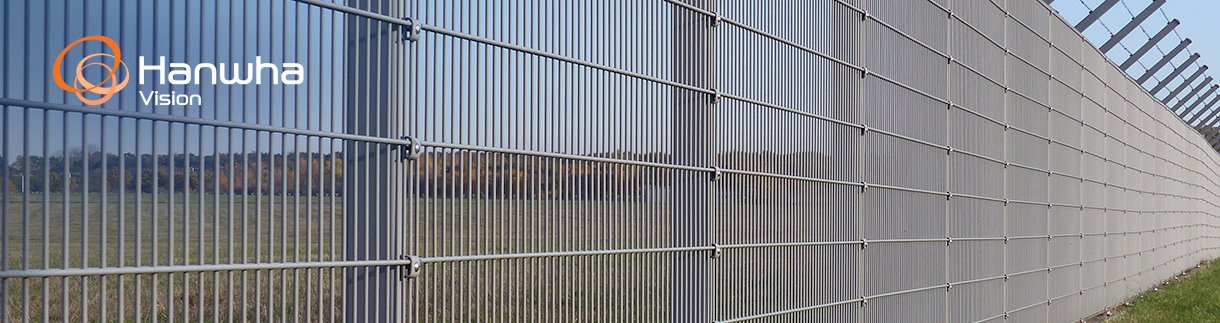
When you're responsible for safeguarding a facility, perimeter security becomes your first line of defense. The boundary protects your people, physical assets, and daily operations from threats. From warehouses and office campuses to schools and transportation hubs, the edge of your property plays a key role in keeping things running safely and efficiently.
More organizations have recognized the importance of strong physical security systems in recent years. The U.S. security services industry has steadily expanded since 2012, reaching an estimated value of $47.8 billion in 2023. This growth reflects a rising demand for solutions that help businesses stay prepared and protected.
Effective perimeter security deters intruders, detects suspicious activity, and delays threats long enough for your team to respond. It serves as an early warning system, providing time to assess risks and take action before danger reaches critical areas.
Let's explore how perimeter defense works, what it includes, and where it's headed next.
Key Components of Perimeter Defense
A strong perimeter security system depends on multiple protective layers working in alignment. Relying on a single solution often leaves room for error. Combining physical structures with advanced technology allows you to create a defense strategy that strengthens every part of your boundary and improves your response time when threats arise.Here are the essential components of an effective perimeter defense system:
Physical barriers: Fences, reinforced gates, and bollards define property lines and discourage unauthorized access. They create physical resistance that slows down intruders and channels foot or vehicle traffic toward monitored entry points.
Security cameras: These devices provide a clear view of your property in real time. When integrated with motion sensors or alarms, security cameras help identify unusual activity and send immediate alerts to your team.
Intrusion detection systems: These sensors identify breaches along the perimeter even in difficult conditions, such as darkness or bad weather, offering a critical early warning before someone approaches vulnerable areas.
Access control systems: Keycards, personal identification number (PIN) codes, and biometric scanners help manage entry points and ensure that only approved personnel can enter specific areas. These systems also create a proper access log for security teams to review.
Each of these layers contributes to a unified defense. While physical elements create obstacles, technology improves visibility and control. Together, they help your team respond quickly and reduce the chance of incidents going unnoticed.
The Role of Surveillance in Perimeter Protection
Surveillance provides real-time visibility across your property, helping you to see what's happening and act accordingly.
Multi-directional security cameras offer broad coverage by capturing multiple angles from a single installation point. They're especially useful in open spaces like parking lots or building perimeters where threats can come from any direction.
Moreover, smarter systems use intelligent video analytics to filter out regular activity and flag unusual behavior. These tools can recognize movement patterns, loitering, or people entering restricted zones. Instead of monitoring hours of footage, you receive focused alerts about what matters most.
Meanwhile, artificial intelligence (AI)-powered license plate recognition adds another layer of security by allowing or denying entry based on authorized credentials. This is especially helpful for delivery zones, secure parking, or gated facilities. It provides accurate logs and reduces the need for manual checks at entry points.
With these surveillance tools, you stay informed without relying solely on human observation.
Challenges in Perimeter Security
Even the best systems have limitations. Blind spots can exist in large or irregularly shaped properties, and a single unmonitored area can create an opening for unauthorized access.
False alarms are another common issue. Environmental factors like animals, wind, or weather can trigger sensors unnecessarily, which may cause alarm fatigue and reduce your team's responsiveness over time.
To stay ahead of threats and vulnerabilities, update your systems regularly. Newer security cameras with higher resolutions and broader dynamic range improve image clarity, even in poor lighting conditions. Pairing these with video analytics that understand behavior, rather than react to every motion, helps eliminate noise and make alerts more meaningful. Constant reassessment ensures your perimeter remains secure, even as your surroundings change.
Best Practices for Perimeter Security
Having the right tools in place is only part of the equation. How you manage, maintain, and operate your perimeter security system is equally important. Consistent practices help close gaps, improve system performance, and ensure your team is prepared to respond effectively when threats arise.
Following these best practices can help you get the most out of your perimeter defense setup.
Conduct a Comprehensive Risk Assessment
Start by walking through your property fully. Identify areas with poor lighting, overgrown landscaping, blocked camera angles, or damaged infrastructure. Ask your team about recent security concerns or suspicious incidents, these conversations can surface vulnerabilities you might not notice on your own.
A thorough assessment helps guide your priorities and ensures you address actual risks rather than guessing where problems might occur.
Stay on Top of Maintenance
Technology doesn't protect your site if it's not working properly. Make routine maintenance a priority. Clean camera lenses, test motion sensors, and inspect wiring and battery levels. Replace outdated equipment before it fails rather than waiting for something to go wrong. Even one malfunctioning device can create a blind spot that puts your entire system at risk.
Develop a Clear Emergency Response Plan
Your team should know what to do without hesitation if someone attempts to breach your perimeter. They must know whom to contact first, where to go during emergencies, as well as the procedures for securing the area.
Document your response plan and rehearse it regularly. Drills help reinforce the steps, keep protocols fresh in your team's mind, and reduce panic in real situations.
Invest in Training for Your Security Team
Even the most advanced system falls short without a knowledgeable team operating it. Your personnel should know how to interpret alerts, review camera footage, and make informed decisions based on real-time data.
Training sessions should be ongoing. As technology evolves, so should your team's understanding of how to use it effectively.
Use Integrated Security Platforms
Disjointed systems can slow down your response and create communication gaps. Look for platforms that bring together surveillance, access control, and alarms into a single interface. Integrated solutions, such as combining physical security systems with cybersecurity tools, offer broader situational awareness and smoother coordination. These unified platforms reduce the need to toggle between systems and make it easier to detect patterns, connect incidents, and take action faster.
Future Trends in Perimeter Security Systems
Technology continues to push perimeter security forward. Innovations that were once considered cutting-edge are quickly becoming standard.
Drones provide mobile surveillance coverage in areas where fixed cameras fall short. Security teams can deploy drones to inspect perimeters on command, respond to sensor triggers, or patrol large properties without exposing personnel to danger. 5G networks offer faster video transmission, sharper images, and less lag when streaming footage. This helps with real-time decision-making, especially when dealing with live threats.
AI continues to enhance threat detection and system responsiveness. Instead of passively recording events, modern systems interpret movement patterns, monitor crowd behavior, and highlight inconsistencies that may indicate a breach. These tools don't replace human judgment but rather support operations by eliminating unnecessary strain while providing optimized input. Your team can focus on the alerts that matter and respond faster, with better context and confidence.
Previous
Next