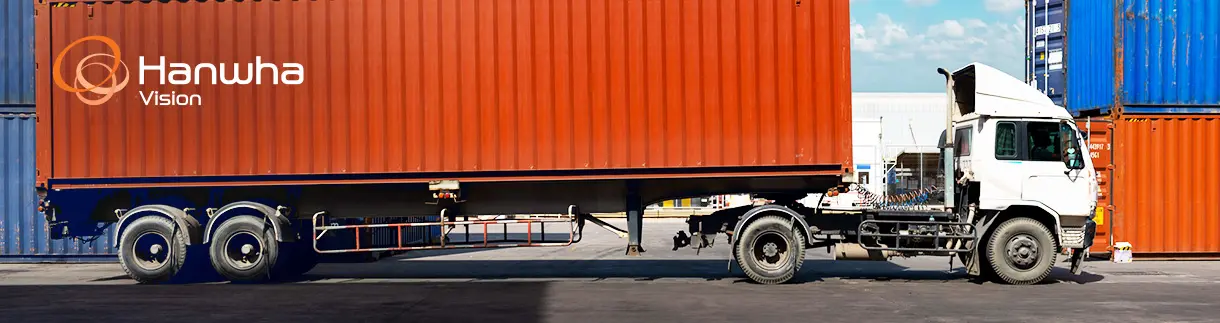
Cargo theft has become a serious and consistent threat to global supply chains. Organized criminal groups and opportunistic thieves alike are driving a surge in stolen cargo that impacts everything from grocery store shelves to factory production timelines. At its core, cargo theft refers to the unauthorized taking of goods that are in transit or stored in a distribution facility.
Thieves tend to focus on high-value, easy-to-sell items like electronics, pharmaceuticals, clothing, alcohol, and tobacco. Warehouses, truck stops, railroad cars, and distribution centers are all prime targets for theft. These locations often provide limited surveillance or rely on outdated access control systems, leaving critical goods vulnerable.Let's take a closer look at how cargo theft affects the broader economy and what steps you can take to protect against unwanted disruptions.
How Does Cargo Theft Affect the Economy?
Cargo theft doesn't just hurt the immediate businesses involved, it disrupts entire supply chains. According to the National Insurance Crime Bureau, cargo theft in the United States is estimated to cost between $15 billion and $35 billion annually, making it one of the most expensive forms of property crime. When goods disappear, replacement shipments are needed, which leads to delays, increased insurance premiums, and strained relationships between suppliers and retailers.
These crimes also drive up operational costs for transportation and logistics companies. Businesses must invest in additional security, manage insurance claims, and contend with the ripple effects of slowed deliveries. For consumers, that can mean price hikes and product shortages.
What Are the Types of Cargo Theft?
Cargo theft takes many forms, and understanding them is the first step toward prevention:
Straight cargo theft: Physical theft of goods from parked or unattended trucks, facilities, or containers.
Strategic cargo theft: Criminals pose as legitimate carriers to pick up cargo by using fake identities and documentation.
Cyber cargo theft: Hackers gain access to logistics systems and alter delivery or route data, redirecting cargo to fraudulent destinations.
Cargo theft can look different from case to case, but the consequences are equally disruptive. These incidents highlight the importance of identifying vulnerabilities and closing those gaps effectively.
Best Practices for Cargo Theft Prevention
The good news is that cargo theft isn't inevitable. Through layered prevention strategies and strong collaboration, you can significantly reduce the risk of lost goods. Below are actionable best practices to help safeguard cargo.
Access Control
You don't need to overhaul your entire operation to strengthen access control. Start with smart, tactical upgrades that close obvious security gaps. Perimeter fencing, motion-activated floodlights, and reinforced locks are a strong foundation. Add in key card scanners or biometric verification for personnel entry, and you immediately limit who can access sensitive areas.Modern facilities are also adopting AI-powered technology that utilizes intelligent video and audio analytics to detect suspicious movement or unauthorized entry. When these systems operate in real-time, they alert security teams before a theft occurs.
Surveillance
Surveillance systems act as both deterrents and instrumental tools for identifying perpetrators. When you install security cameras in strategic locations, such as entry points, loading docks, and truck parking areas, you build a visual record that can be used for organizing real-time responses or future investigations.For areas that span vast distances, like highways and rest areas, deploying a traffic surveillance camera is a smart move. These systems track vehicle movements and can also recognize plates and flag unusual activity.To get the most from your setup, integrate a real-time dashboard analytics solution. It centralizes data from multiple sites and uses AI to detect abnormalities like loitering or repeated access attempts during off-hours. You can monitor everything from one location without missing crucial warning signs.
Global Positioning System Tracking
Knowing where your cargo is at all times gives you a major edge. Global positioning system (GPS) trackers installed in trailers, shipping containers, and even individual pallets provide real-time updates. If a vehicle veers off course or stops in an unexpected location, security personnel can be notified immediately.Many GPS solutions also offer geofencing, which creates digital boundaries. When a shipment crosses one without authorization, you'll get an instant alert. These tools speed up response times and help recover stolen goods faster.
Personnel Vetting
One of the most overlooked aspects of cargo theft prevention is the human factor. Insider threats, whether intentional or due to negligence, can lead to devastating losses. That's why thorough background checks should be standard for anyone with access to cargo.Screen drivers, warehouse workers, and even temporary contractors. Look for red flags in their employment history, verify references, and conduct regular audits to ensure access levels align with roles. You're trusting these individuals with your goods, so take the extra steps to ensure that trust is well-placed.
Cybersecurity
Digital breaches can be just as dangerous as physical ones. Hackers targeting logistics platforms can reroute deliveries, steal sensitive client data, or impersonate trusted employees to gain unauthorized access. To maintain system security, utilize end-to-end encryption for all communication between dispatch teams, drivers, and third-party vendors.Make multi-factor authentication a requirement for accessing any systems that handle cargo data. Limit the number of people who can alter delivery schedules or routes. And keep your software patched and updated, as many breaches occur through outdated platforms.
Law Enforcement Collaboration
Building a proactive relationship with local law enforcement can make a significant difference in stopping and preventing theft. Share information on high-value shipments, coordinate on suspicious activity, and establish a fast-track method for reporting losses.Some companies even conduct joint training exercises with local law enforcement agencies to prepare for potential incidents. This type of collaboration can help recover stolen goods more quickly and send a clear message to criminals that your cargo is well-protected.Cargo theft is an evolving threat, but you're not powerless. With a mix of physical security, smart technology, and strong communication, your organization can outmaneuver thieves. The cost of prevention is far less than the cost of recovery, especially when the reputation of your brand and the reliability of your supply chain are at stake. Stay proactive, stay informed, and keep your cargo moving safely to avoid unnecessary losses and long-term setbacks.
Previous
Next