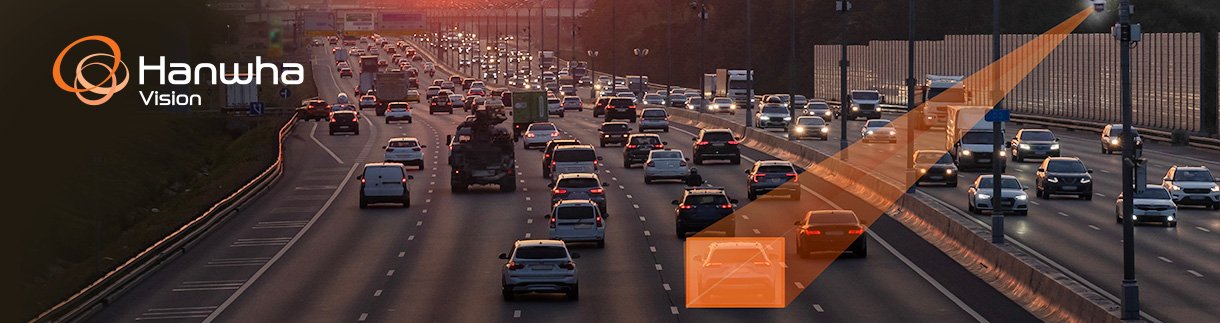
Modern cities depend on accurate, real-time visibility to keep vehicles, pedestrians, and cyclists moving safely. As traffic volumes increase and infrastructure ages, the need for smarter, more responsive monitoring systems continues to grow. Traffic monitoring cameras have become the foundation of this evolution, offering more than simple observation.
These systems record, analyze, and interpret roadway activity to support faster decisions and better coordination between operators and enforcement agencies. By identifying congestion early, detecting unsafe behavior, and collecting actionable data, they help transportation departments manage both day-to-day flow and long-term planning.
When combined with AI-powered analytics and networked infrastructure, traffic monitoring cameras transform ordinary roadways into intelligent, data-driven environments that create a more efficient transportation network, one that adapts to changing conditions and supports the future of connected mobility.
Key Takeaways
Traffic monitoring cameras enhance road safety and reduce congestion through real-time visibility.
AI-powered analytics support faster response, enforcement, and long-term planning.
Smart city integration turns roadway data into actionable insights for continuous improvement.
How Do Traffic Monitoring Cameras Work
Traffic monitoring cameras combine advanced imaging and intelligent analytics to deliver clear, continuous visibility of roadway conditions. They capture vehicle movements, detect violations, and send real-time information to traffic control centers for rapid assessment or automated response.
Integrated with traffic lights and management platforms, these systems help balance signal timing and reduce congestion during peak hours. AI-powered models also interpret complex traffic patterns, allowing operators to anticipate issues and adjust conditions before they disrupt flow.
Types of Traffic Monitoring Cameras
Different types of traffic monitoring cameras serve specialized functions within modern transportation networks. Each plays a role in improving roadway safety, operational efficiency, and enforcement accuracy.
1. Surveillance and Monitoring Cameras
CCTV (Closed-Circuit Television) Cameras: Provide continuous video coverage, enabling operators to observe intersections, monitor vehicle flow, and review footage during investigations.
PTZ (Pan-Tilt-Zoom) Cameras: Move in multiple directions and zoom remotely, giving control centers the flexibility to follow incidents, track vehicles, or monitor specific areas in detail.
Multi-Sensor Cameras: Combine multiple lenses in one housing to deliver wide, customizable coverage of large intersections without gaps, giving operators detailed visibility across several directions at once.
Fixed Cameras: Maintain a consistent field of view, capturing reliable footage at critical points such as stoplights, crosswalks, or highway on-ramps where consistent coverage is essential.
360 Panoramic Cameras: Capture an ultra-wide field of view with a single device, reducing blind spots and providing full-scene awareness in complex or crowded intersections.
Thermal Imaging Cameras: Detect heat signatures, allowing accurate detection of vehicles, cyclists, or pedestrians in poor visibility caused by fog, rain, or nighttime conditions.
2. Enforcement Cameras
Speed Cameras (Radar or LIDAR-Based): Automatically detect vehicles traveling above legal limits and capture timestamped images for violation processing using radar or laser sensors.
Average Speed (Section Control) Cameras: Calculate average vehicle speed between locations, promoting steady, compliant driving behavior.
Red-light cameras: Detect and record vehicles that enter the junction after the signal changes, reducing crash risks and improving compliance.
Stop sign cameras: Identify vehicles that roll through or fail to stop completely at intersections, helping law enforcement reduce collision risks in residential and rural areas.
Seat belt and mobile phone detection cameras: Automatically flag drivers who are not wearing seatbelts or using mobile devices, utilizing AI-based recognition; these cameras promote safer driving habits.
Bus lane / HOV lane cameras: Monitor occupancy and usage of designated lanes to ensure only authorized vehicles access priority routes.
Toll enforcement cameras: Utilize high-resolution imaging and license plate recognition to facilitate accurate toll collection and violation detection, all while maintaining optimal traffic flow.
3. Automated License plate Recognition (ALPR/ANPR) Cameras Fixed ALPR Cameras
Fixed ALPR Cameras: Mounts on poles or gantries to continuously scan license plates, matching data against law enforcement or tolling databases for fast identification.
Mobile ALPR Cameras: Mounts on vehicles, allowing patrol cars to scan plates on the move, supporting real-time detection of stolen vehicles or outstanding violations.
Covert ALPR Systems: Built for discreet operation, covert setups gather data in sensitive or high-security environments without alerting targets to their presence.
4. Smart / Intelligent Traffic Cameras
AI-Powered Camera: Analyze traffic conditions in real time, identifying congestion patterns, stalled vehicles, or unusual movement without manual oversight.
Video Analytics Cameras: Interpret footage for specific events, such as wrong-way driving, accidents, or long queues, generating automatic alerts for operators.
IoT-Enabled Cameras: Connect through network infrastructure; these devices share continuous data with other transportation systems to coordinate timing, signals, and responses.
Edge Processing Cameras: Process data directly on a device, reducing transmission delays and enabling instant, localized decision-making even when network connectivity fluctuates.
5. Specialized Environmental and Data-Gater
Weather Monitoring Cameras: Track conditions like rainfall, visibility, and temperature to help adjust digital signage, signal timing, and driver alerts in real time.
Toll and Weigh-In-Motion Cameras: Pairs with road-embedded sensors to capture vehicle data and weight while maintaining continuous traffic flow, improving efficiency and enforcement accuracy.
Construction Zone Cameras: Monitor vehicle speed, capture violations, and gather data to evaluate traffic behavior. Their presence promotes safer driving and reduces risks for both workers and motorists.
Incident Detection Cameras: Uses analytics to identify sudden stops or collisions and immediately notify control centers for quicker emergency response.
Benefits of Traffic Monitoring Cameras
Traffic monitoring cameras form the backbone of smarter, safer transportation systems.
Cameras can:
Improve Traffic Flow
Enhance Road Safety
Enable Real-Time Monitoring
Support Faster Incident Response
Aid Law Enforcement
Reduce Congestion
Provide Actionable Data
Automate Traffic Enforcement
Increase Public Safety
Integrate With Smart City Systems
Improve Traffic Flow
Cameras equipped with analytics help operators identify congestion points as they develop, not after delays occur. By adjusting signal timing or rerouting traffic dynamically, transportation centers can maintain steady movement through high-volume corridors.
Enhance Road Safety
Constant visual oversight discourages speeding, red-light running, and other risky behaviors. Automated enforcement increases accountability, helping to lower crash rates and protect pedestrians and drivers alike.
Enable Real-Time Monitoring
Modern camera systems provide instant awareness of roadway conditions through live feeds and automated alerts. Operators can quickly detect hazards such as debris, stalled vehicles, or lane blockages and act before they cause major disruptions.
Support Faster Incident Response
When an accident occurs, intelligent cameras identify the event and pinpoint its location immediately. This allows emergency services to respond more efficiently, reducing clearance time and minimizing secondary collisions.
Aid Law Enforcement
High-resolution imaging and video evidence strengthen investigations and citation accuracy. Law enforcement agencies gain reliable documentation of violations and incidents, reducing disputes and improving public trust in enforcement practices.
Reduce Congestion
By analyzing patterns in vehicle flow, authorities can make data-driven adjustments to intersections, ramp meters, and signal coordination. Over time, these optimizations reduce idle time and improve travel consistency.
Provide Actionable Data
Every captured frame contributes to a larger data ecosystem that supports infrastructure planning and development. Historical trends reveal recurring bottlenecks, dangerous intersections, and seasonal variations, guiding more strategic infrastructure investments and roadway improvements.
Automate Traffic Enforcement
With real-time detection, issues can be addressed before they escalate. Proactive alerts give teams the chance to act early, whether they're intervening in suspicious behavior or rerouting traffic flow to avoid congestion.
Increase Public Safety
Comprehensive coverage improves situational awareness for both operators and drivers. Faster detection and targeted interventions prevent accidents, protect roadside workers, and create safer travel conditions for all road users.
Integrate With Smart City Systems
When connected to IoT networks, camera systems become part of a responsive urban infrastructure. Data flows seamlessly between platforms, enabling cities to coordinate signals, adjust digital signage, and continuously refine traffic strategies based on live conditions.
Optimize Traffic Monitoring and Safety With Hanwha Vision
Building smarter, safer roads begins with advanced, reliable imaging technology.
Hanwha Vision offers intelligent traffic monitoring solutions that enhance visibility, improve traffic flow, and support the growing needs of modern transportation systems. From AI-powered cameras to integrated video management platforms, these systems deliver real-time insights that help cities and agencies make informed decisions.
Discover how Hanwha Vision's Intelligent Traffic Systems enhance roadway safety and provide industry-leading solutions for intelligent transportation networks.
Previous
Next