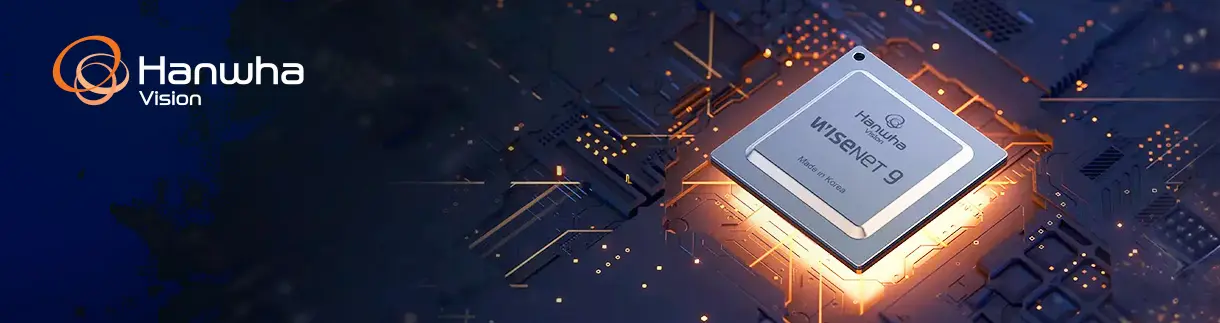
As technology advances, the demand for smaller and more efficient devices continues to grow. One of the key innovations driving this evolution is the system on a chip (SoC). This integrated approach combines all the critical computing components into a single piece of hardware. From smartphones to surveillance cameras, SoCs are now central to how modern technology delivers performance, speed, and connectivity.
Key Takeaways
A system on a chip (SoC) integrates multiple computing components into a single chip.
SoCs improve efficiency, reduce power consumption, and save space.
They are widely used in smartphones, IoT devices, vehicles, and surveillance cameras.
Despite their advantages, SoCs also come with challenges such as heat management and limited upgradability.
What is a System on a Chip (SoC)?
A system on a chip is a single piece of silicon that combines the core elements of a computer or electronic device. Instead of relying on separate processors, memory, and connectivity hardware, an SoC merges these capabilities into one tightly integrated unit.
Key Components of an SoC
A system on a chip contains several key components that enable it to operate as the central hub of a device. These include the central processing unit (CPU), graphics processing unit (GPU), memory, connectivity modules, and specialized accelerators. Each part serves a specific role, and together they create a complete computing platform.
CPU
The CPU is the brain of the SoC, responsible for running the operating system and managing day-to-day functions. It processes instructions, handles calculations, and coordinates tasks across the chip. The CPU sets the pace for overall device performance, ensuring the other components operate effectively.
GPU
The GPU manages visual output and graphic-heavy tasks, from rendering images and videos to supporting high-resolution displays.
More recently, developers have leveraged GPUs for advanced parallel processing tasks such as AI and machine learning, making them essential in both consumer electronics and enterprise applications.
Memory (RAM/ROM)
SoCs can't rely on slow, power-intensive external memory buses. Instead, both short-term and long-term memory is integrated within the SoC. Random-access memory (RAM) stores data temporarily, allowing applications and processes to run quickly, while read-only memory (ROM) holds the permanent instructions that a device needs to boot and function. Together, they ensure the chip has both speed and stability.
Connectivity Modules (Wifi, Bluetooth, 5G)
Connectivity modules enable devices to interact with networks and other hardware. By embedding Wi-Fi, Bluetooth, and cellular technologies like 4G and 5G directly into the SoC, manufacturers eliminate the need for separate networking chips.
Some SoCs also support multiple connectivity standards simultaneously, allowing devices to switch between networks seamlessly or maintain concurrent connections (e.g., Wi-Fi and Bluetooth) without degrading performance.
Specialized Accelerators (AI/ML, Image Processing, Security Units)
Specialized accelerators are custom units built into SoCs to handle demanding tasks more efficiently. These include AI and machine learning processors, image recognition engines, and hardware-based security modules.
By offloading these workloads from the CPU and GPU, accelerators allow devices to deliver advanced features like real-time video analytics or secure data encryption while maintaining high performance.
System on a Chip vs. Traditional CPU
Comparing SoCs to traditional CPUs highlights the difference between integration and modularity. CPUs operate as standalone processors and require separate components like memory and graphics cards to form a complete system.
SoCs, on the other hand, bundle everything into one compact design. This makes them ideal for portable devices where size and efficiency are priorities, though it also limits customization.o extract operational insights without additional software costs.
Advantages of a System on a Chip
SoCs offer clear benefits for mobile and embedded device use cases. Understanding these strengths helps explain why SoCs are ubiquitous in modern consumer and industrial technology.
Power Efficiency
Power efficiency is a major benefit of SoC technology. Because all components are integrated, communication between them requires less energy than if they were separate chips. This reduces overall power consumption and extends battery life, which is vital for chargeable devices such as smartphones and wearables.
Compact Size and Portability
By reducing the number of components needed, SoCs enable sleek, lightweight designs. This compact form factor allows manufacturers to make devices like smartwatches or surveillance cameras both portable and powerful.
Cost Effectiveness at Scale
With fewer parts to design, source, and assemble, SoCs enable simpler supply chains and production workflows, saving device manufacturers time and money. These savings often extend to end users in the form of more affordable devices.
Faster Processing and Integration
The close integration of components within an SoC improves both speed and reliability. Data travels shorter distances between the CPU, GPU, and memory, which reduces latency. The design allows devices to handle multitasking more effectively and deliver a smoother user experience.
Limitations of a System on a Chip
Despite their many advantages, SoCs also introduce trade-offs that engineers and product designers must carefully navigate. Understanding these challenges provides context for why some applications still rely on traditional computing systems.
Limited Customization and Upgradability
One major drawback of SoCs is that individual components cannot be upgraded. Unlike desktop systems, where memory or processors can be swapped out, an SoC's parts are permanently fixed.The lack of flexibility can shorten the useful life of a device as technology advances. Businesses with specialized needs may find this restrictive compared to modular alternatives.
Heat Management Challenges
The dense integration of an SoC can create significant thermal challenges. Packing multiple high-performance components onto one chip increases the risk of overheating. Without effective cooling solutions, this can result in throttled performance or reduced device lifespan.
Manufacturing Complexity
Building an SoC demands highly specialized fabrication and design expertise. The production process is resource-intensive and sensitive to errors, where even minor flaws can impact the entire system.
Common Applications of a System on a Chip
SoCs are widely used across industries because of their efficiency and versatility. Below are some of the most common applications.
Smartphones and Tablets
Without SoCs, mobile technology as it exists today would not be possible. Smartphones and tablets rely on SoCs to combine computing, graphics, memory, and connectivity into one compact system. This integration allows them to deliver fast performance and long battery life while maintaining slim, portable designs.
Internet of Things (IoT) Devices
IoT devices, such as smart sensors and connected appliances like washing machines and dryers, rely heavily on SoCs. Their small size and low power consumption make them perfect for embedded systems that must operate continuously. Integrated connectivity ensures these devices can communicate seamlessly with networks and other devices.
Automotive Systems
Automakers use SoCs to power infotainment systems, driver assistance technologies, and digital dashboards. These chips allow vehicles to process information quickly and support advanced safety features. As cars become more connected and autonomous, SoCs will play an even greater role in their design.
Gaming Consoles and Entertainment Devices
Gaming systems and entertainment hardware require high-performance graphics and processing capabilities to ensure smooth, lag-free gameplay. SoCs deliver this by combining CPUs and GPUs into a single optimized unit.
Wearables and Smart Home Tech
Wearable devices such as fitness trackers and smartwatches depend on SoCs for compact design and long battery life. Similarly, smart home products like thermostats and speakers rely on integrated chips to function reliably without drawing excessive power.
Security Cameras and Video Surveillance
In security cameras, SoCs enable advanced features like motion detection, facial recognition, and real-time alerts. By removing the need for clunky, power-intensive external processors, SoCs help keep surveillance solutions sleek, inconspicuous and cost-effective.
The Future of System on a Chip Technology
The future of SoC design is all about making chips smaller, faster, and smarter. Engineers are finding ways to shrink transistors even further – down to just a few nanometers – so they can fit more power into a tiny, energy-efficient chip.Looking ahead, SoCs will play a bigger role in helping devices operate independently, even in data-heavy or remote environments. As chips become more capable, they'll reduce the need for constant cloud access – enabling faster responses in use cases like autonomous vehicles, medical devices, and smart infrastructure.
Get Smarter Surveillance With Hanwha Vision
In today's rapidly evolving security environment, organizations need intelligent systems that anticipate threats, adapt to complex scenarios, and empower proactive decision-making.Hanwha Vision meets this demand with innovations like Wisenet 9, a next-generation SoC platform built to power more intelligent video surveillance with AI-powered performance and efficiency. Wisenet 9 enhances image quality, boosts cybersecurity protections, and supports edge-based analytics – giving security teams sharper insights and greater operational control.Discover how Hanwha Vision's SoC-powered solutions can strengthen your security posture and prepare your organization for the future of intelligent monitoring.
Previous
Next