A split second can decide whether a threat is prevented or a loss occurs. In security, hesitation is costly. That's why organizations are turning to intelligent video analytics, a faster and smarter way to detect risks and respond in real time.
Today's surveillance is no longer just about watching screens. AI security cameras empower security teams to spot threats the moment they appear and surface insights that would otherwise go unseen.
Intelligent video analytics is transforming the way businesses and public agencies safeguard people, property, and operations. By replacing manual observation with automated decision-making, organizations can strengthen their defenses and accelerate responses when time is most critical.
Key Takeaways
Intelligent video analytics uses AI to convert video footage into actionable insights and real-time alerts, improving security effectiveness and efficiency.
Industries from retail to airports are deploying intelligent video analytics for both safety and business intelligence use cases.
Modern intelligent video analytics systems continuously improve by integrating with enterprise platforms and learning from historical data.
What is Intelligent Video Analytics?
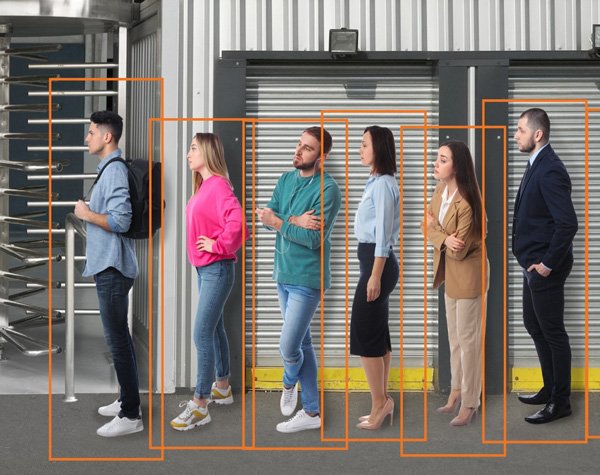
Intelligent video analytics is the use of AI, computer vision, and advanced analytics software to interpret video content automatically. The technology identifies objects, tracks movements, and analyzes behaviors so organizations can respond to events quickly and with greater accuracy. It also supports business intelligence, giving organizations insights they can use to improve efficiency and allocate resources more effectively.Common applications include facial recognition, which helps identify individuals on watchlists or grant access to secure areas, and queue management, which monitors line length and wait times so businesses can deploy staff more effectively.Intelligent video analytics can also detect unusual activity, such as a vehicle entering a restricted zone, and trigger immediate alerts so security personnel can take action before an incident escalates.
How Does Intelligent Video Analytics Work?
Intelligent video analytics systems operate through a series of stages, each responsible for a different layer of analysis. From initial capture and cleaning of footage to generating alerts and integrating with enterprise platforms, the process ensures data is accurate and actionable.
1. Video Capture and Preprocessing
Video captured by cameras is refined through preprocessing steps such as noise reduction, stabilization, and exposure balancing.
These adjustments ensure that frames are clean and consistent, which is critical for accurate detection. Preprocessing can also optimize video streams for bandwidth and storage without losing analytic fidelity.
2. Object Detection and Classification
Once video is prepared, intelligent video analytics applies object detection to identify bounding boxes around entities like people, vehicles, or animals. Classification algorithms then tag those objects (e.g. "person," "car," "shopping cart"). In many systems, multi-class models run in parallel to detect faces, license plates, or behaviors.
When multiple objects move, the system often includes tracking modules that maintain identity across frames, enabling trajectory history and behavior context.
3. Pattern and Behavior Analysis
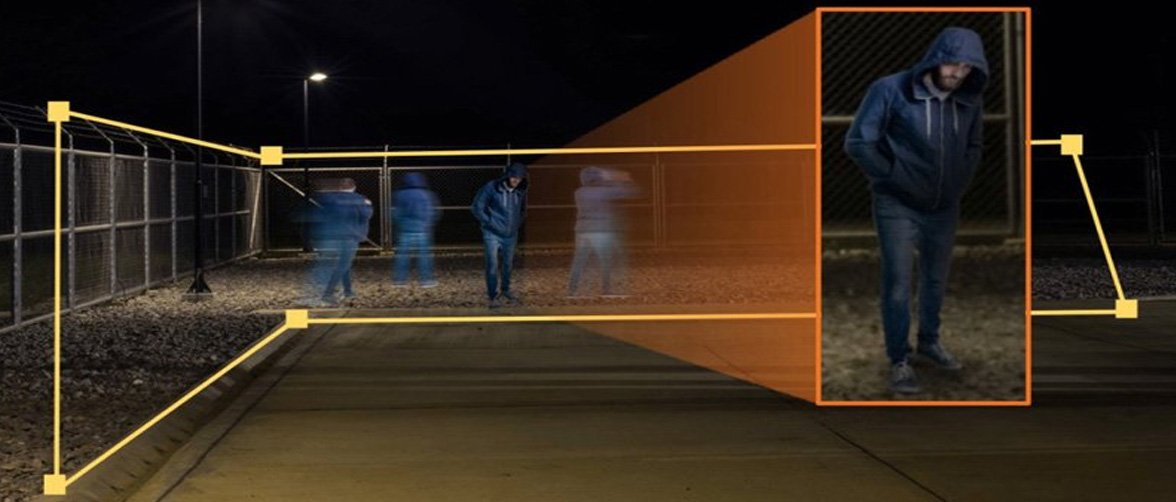
After objects are identified and tracked, the system evaluates their behavior based on predefined rules and contextual parameters. For example, an intelligent video security system might detect when someone lingers in a restricted area, when a vehicle moves against traffic flow, or when an object appears unexpectedly.It can also recognize sudden downward motion that indicates a slip and fall, helping organizations respond quickly to potential safety incidents. Beyond near-real-time detection, systems can identify patterns over time, revealing trends such as recurring congestion points or shifts in crowd movement.
4. Alerting, Reporting, and Insights
Detections are converted into actionable outputs like dashboards, heat maps, and automated alerts. Security operators can respond immediately to threats, while managers can use reports to evaluate the effectiveness of security measures, identify operational gaps, and track incident trends over time. This dual approach supports both real-time intervention and longer-term planning.
5. Data Integration and Continuous Learning
Modern intelligent video analytics systems connect with other enterprise platforms such as access control, logistics, or business intelligence tools. Historical data feeds into the system, improving accuracy and reducing false alarms over time. Many solutions also include adaptive features, allowing the system to adjust to new conditions like changes in lighting, seasonal patterns, or facility layouts without requiring a complete retraining process.
Benefits of Intelligent Video Analytics
The benefits of intelligent video analytics extend well beyond basic security. By automating detection, streamlining monitoring, and surfacing patterns hidden in video data, intelligent video analytics allows organizations to work smarter and respond faster. Each benefit builds on the last, creating a system that improves both immediate awareness and long-term decision-making.
Enhanced Security
Intelligent video analytics continuously monitors for intrusions, suspicious behavior, and other potential threats, reducing reliance on human vigilance alone. By distinguishing meaningful activity from environmental noise such as moving shadows or tree branches, it minimizes false alarms and strengthens overall security.
Improved Efficiency
Automated monitoring relieves staff from watching multiple screens for extended periods. Personnel can instead focus on responding to high-priority events, which increases productivity and shortens response times.
Operational Insights
Beyond security, video analytics generate data about how spaces are used. Retailers can see which areas draw the most attention, while facility managers can measure traffic flow through entrances and corridors.
These insights inform staffing, layout design, and resource allocation. People counting is a key example, giving organizations accurate data on occupancy levels across different times of day and helping them allocate resources more efficiently."
Cost Reduction
Efficient filtering reduces the need for excessive storage and bandwidth, while fewer false alarms lower unnecessary responses. Organizations save both time and money by focusing on verified events rather than chasing irrelevant alerts.
Proactive Response
With real-time detection, issues can be addressed before they escalate. Proactive alerts give teams the chance to act early, whether they're intervening in suspicious behavior or rerouting traffic flow to avoid congestion.
Capabilities of Intelligent Video Analytics
Intelligent video analytics isn't limited to one or two core functions. It offers a wide range of capabilities that make it adaptable to many industries and use cases.
From recognizing objects to monitoring crowd density, these features ensure that video systems deliver value beyond traditional surveillance.
1. Object Recognition and Tracking
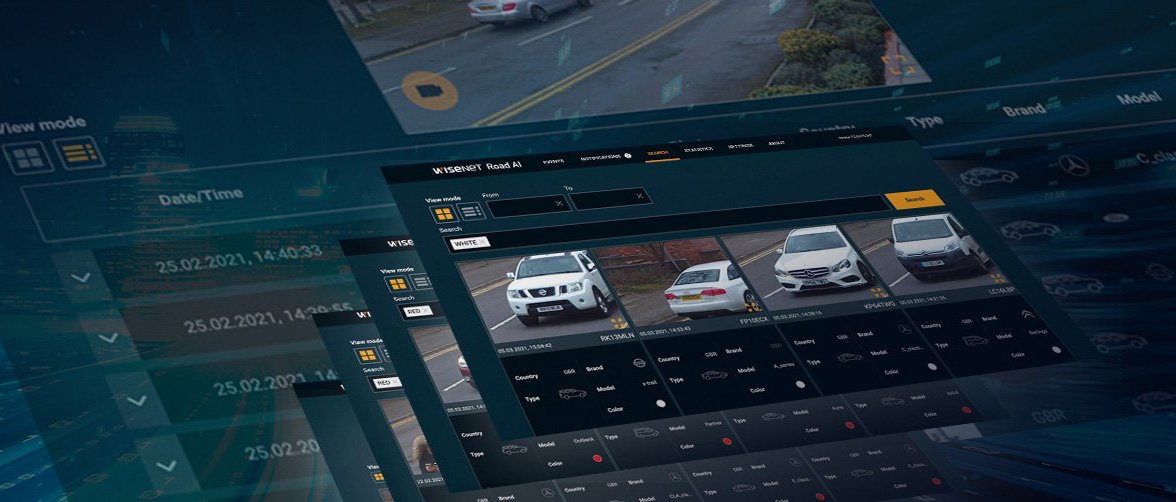
License Plate Recognition (LPR): Identifies and records vehicle plates for access control or traffic enforcement.
Facial Recognition: Matches captured faces with authorized lists or databases.
Intrusion Detection: Alerts when an object crosses into a restricted zone.
Perimeter Protection: Monitors define boundaries and detect breaches.
2. Behavioral Analytics
Motion Detection: Recognizes meaningful movement in the scene.
Loitering Detection: Flags extended presence in sensitive areas.
Abandoned Object Detection: Identifies items left unattended.
Slip and Fall Detection: Detects sudden downward motion that could indicate an accident.
3. Scene and Crowd Analysis
People Counting: Tallies foot traffic at entrances or pathways.
Queue Management: Monitors wait times and queue lengths.
Crowd Density Monitoring: Evaluates crowd size and distribution.
Heat Mapping: Visualizes movement paths and high-activity zones.
Industry Applications
The versatility of intelligent video analytics makes it useful across many sectors. Each industry adapts intelligent video analytics to meet its own unique challenges, from improving safety in public spaces to optimizing operations in private facilities.
These applications highlight the breadth of value that intelligent video analytics can deliver.
Retail
Retailers use intelligent video analytics to monitor customer flow, optimize store layouts, and reduce shrinkage. For example, heat mapping shows which aisles attract the most attention, while queue management alerts staff when checkout lines grow too long. These insights help stores improve both sales performance and customer experience.
Smart Cities
Municipalities deploy intelligent video analytics for traffic optimization, pedestrian safety, and crowd management. Vehicle counting and license plate recognition help manage road congestion, while crowd density monitoring enhances safety during concerts, parades, or festivals. These applications are key components of Intelligent Transportation Systems (ITS), supporting more efficient public services and safer community events.
Manufacturing
In manufacturing, intelligent video analytics supports workplace safety by identifying risky behaviors or unauthorized access. Slip and fall detection and intrusion alerts reduce the chance of accidents in hazardous zones. On the production side, analytics can be tied to quality control by flagging irregular movement on assembly lines or detecting when equipment isn't being used correctly.
Education
Schools and universities apply intelligent video analytics to secure campuses, monitor building usage, and enforce safety protocols. For example, loitering detection can identify unusual behavior near entrances, while abandoned object detection enhances safety in common areas like cafeterias or libraries. People counting also helps administrators plan for peak occupancy in classrooms, lecture halls, or event spaces.
Airports
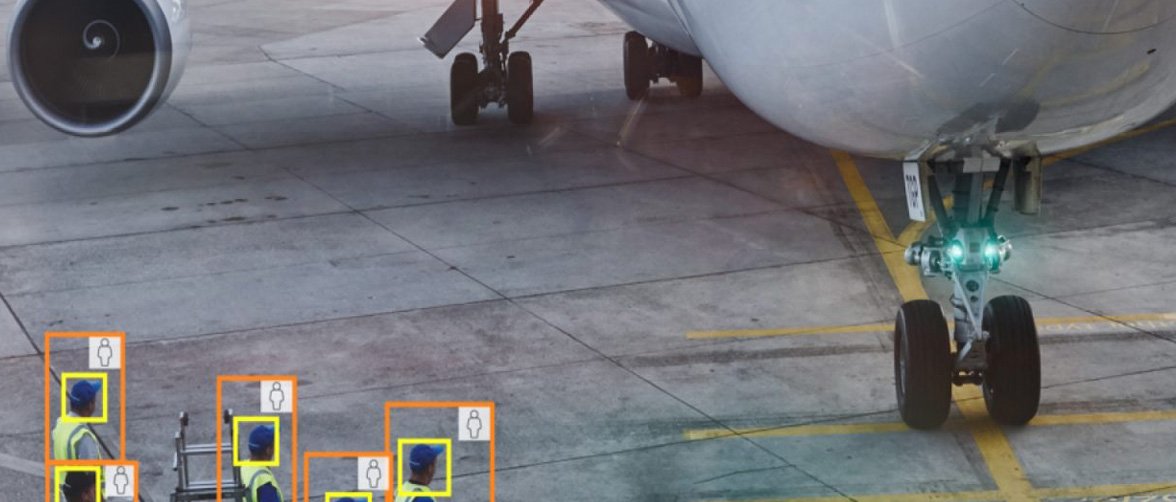
Airports benefit from intelligent video analytics through passenger flow monitoring, queue optimization, and restricted area security. People counting and queue management analytics reduce wait times at checkpoints, while intrusion detection strengthens security in sensitive zones like baggage handling or boarding gates. The technology improves both passenger experience and overall safety.
Casinos and Gaming
Casinos and the gaming industry rely on intelligent video analytics to track floor activity, monitor entrances and exits, and identify unusual behavior. Crowd density analysis ensures gaming floors remain safe, while loitering detection can highlight suspicious behavior near restricted areas. These features support compliance requirements while protecting both revenue and visitors.
Government and Public Safety
Public agencies use intelligent video analytics for law enforcement support, infrastructure monitoring, and large-event security. Analytics can help identify abandoned objects in transportation hubs or monitor crowd movements during public gatherings.
By providing real-time alerts, intelligent video analytics enhances situational awareness in environments where public safety is the highest priority.
Future of Intelligent Video Analytics
Artificial intelligence and machine learning continue to advance, making intelligent video analytics systems more accurate and context-aware. Future developments will push systems toward predictive capabilities, where unusual sequences of behavior trigger alerts before incidents occur.
Edge processing will reduce delays and network load by analyzing data directly within cameras or local devices. At the same time, growing focus on privacy will shape how these technologies are deployed, with greater emphasis on data anonymization and compliance.
Enhance Security with Hanwha Vision Intelligent Video Analytics
Hanwha Vision's intelligent video analytics are purpose-built for today's most demanding security environments.
Designed to reduce false alarms and adapt to specific industry needs, these systems provide accelerated threat detection and clearer decision-making in the moments that matter. Whether securing a school, factory, or public space, Hanwha Vision gives teams the tools to act faster and stop threats before they escalate.
Explore how Hanwha Vision's Intelligent Video Analytics solutions can strengthen your security strategy today.
Previous
Next