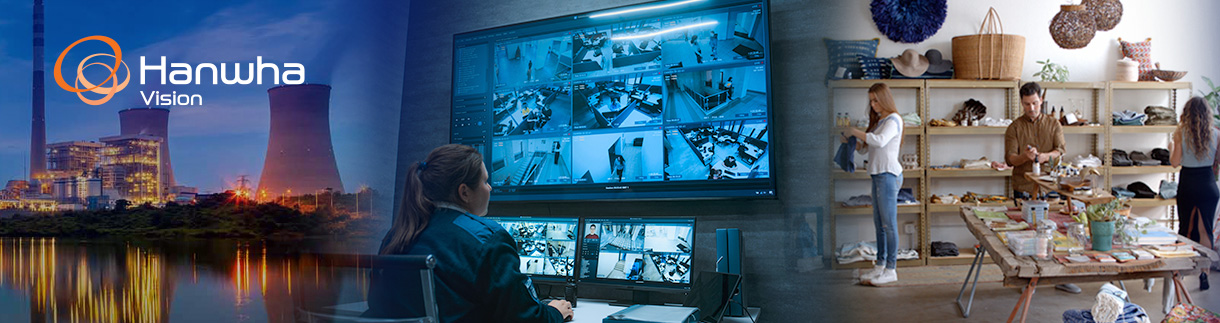
If you've been in the market for a security camera system for your business, you know the options can be overwhelming. With so many different features and brands, it can feel impossible to determine the most effective system for your specific needs. Moreover, with technology advancing rapidly, modern security camera systems offer more than just basic surveillance, meaning there's even more to consider when deciding.
From high-definition video quality to smart features like motion detection and remote monitoring, businesses now have a range of tools to stay ahead of potential threats. In this guide, we'll review key considerations and walk through the various system options available so you can make an informed decision for your business.
The Importance of a Security Camera System for Businesses
Potential risks in any business, whether retail, office, or industrial, can range from theft and vandalism to liability issues stemming from workplace incidents. Significant financial losses, legal entanglements, and harm to a company's reputation may result from these threats without adequate security measures. An effective way to safeguard your business is with a comprehensive security camera system.If an incident occurs, security cameras can provide crucial evidence, assist in investigations, and support any legal claims that may arise. From high-traffic retail spaces to low-profile offices, visible surveillance can significantly reduce the likelihood of theft or vandalism, ensuring staff and customers feel safe.However, it's not just about the cameras themselves. Choosing the right video management software is just as important. The software you choose impacts how well you can keep an eye on, save, and check footage. Advanced video management systems allow businesses to operate smoothly with real-time insights and strong security. This combination of hardware and software is essential for creating a security system tailored to your business needs, ensuring long-term protection.
Factors To Consider When Selecting a Business Security Camera System
Selecting the appropriate security camera system for your business isn't one-size-fits-all. Take a moment to evaluate your business needs. Understanding your security requirements helps you decide wisely for long-term peace of mind and reliable protection.
Security Needs
Every business operates differently, and so do its security requirements. For instance, retail stores often need to monitor customer traffic, ensuring safety and the opportunity to gather insights into customer behavior. In contrast, government buildings need more stringent security measures. Industries like healthcare, finance, or education may also have unique needs depending on the type of data they handle or the facilities they operate.
For example, a healthcare facility may require cameras in areas where sensitive patient information is stored or where access control is necessary. In contrast, a financial institution may need more advanced features to identify potential threats or track individuals of interest. Therefore, consider your business's specific security needs and how they align with different camera system options.
Size and Layout of Your Business
The size and setup of your business play a big role in determining the kind of security system you'll need. An industrial-sized warehouse or large retail chain may require multiple cameras, each equipped with wide-angle lenses and capable of covering large areas. These could include parking lots, storage areas, and numerous entry points. On the other hand, a small boutique or office may only need a few cameras in high-traffic zones or critical access points.
The number and placement of cameras should be tailored to your business's layout, ensuring you're not under- or over-covering any areas. A good rule of thumb is overlapping coverage between cameras, ensuring every angle is captured. Additionally, consider the lighting conditions and any potential obstructions that may affect camera placement.
Budget and Long-Term Costs
When thinking about a security camera system, it's good to keep in mind both the upfront cost and any ongoing expenses. The upfront cost will depend on the type of cameras, video management systems, and installation fees. However, you should also account for long-term costs such as maintenance, storage, and potential upgrades.
Opting for the most affordable choice may seem appealing, but security is an investment. Spending more to guarantee your system's reliability and scalability is worthwhile. Additionally, cloud-based storage solutions may carry monthly fees, but they often offer more flexibility and easier access to footage compared to traditional storage methods.
Brands and Providers
In the security industry, your chosen brand and provider can significantly affect your system's performance and reliability. It's essential to find a reputable brand by reading reviews from other businesses within your industry. Likewise, looking into the provider's experience and customer service can give you an idea of the level of support you can expect in case of any issues or questions.
Camera Options
No two businesses are alike, nor are their security needs. Trying a few different camera systems before committing can be beneficial. For example, some companies may find that integrating different surveillance technologies, such as thermal cameras, PTZ (pan-tilt-zoom) cameras, or AI-enhanced options, can create a more comprehensive security system tailored to their environment.
Testing various cameras in different areas of your business allows you to find the perfect fit for your particular concerns. Be open to experimenting with varying types of cameras to ensure you're effectively covering all angles.
Best Business Security Camera System Options
Choosing the right security camera system is about more than just selecting the cameras themselves. Business owners must also consider several factors when implementing security systems, such as the quality of video resolution, which determines the clarity of the images captured. Storage options ensure that footage is retained sufficiently, allowing for future reference if needed. Also, remotely accessing footage is essential, as it allows owners to monitor their premises from anywhere.
Single-sensor Cameras
Single-sensor cameras are very common and budget-friendly for businesses. They typically provide only one field of view, making them great for watching specific points. Available in various resolutions – from standard definition to ultra-high 8K– these cameras can be used indoors and outdoors, with various functionality options such as thermal, offering businesses flexibility in placement and use.
One key benefit of single-sensor cameras is their affordability compared to advanced options like multi-sensor cameras. Yet, single-sensor cameras' main drawback is their limited field of view, potentially requiring multiple cameras for large spaces and raising long-term costs.
Multi-sensor and Multi-directional Cameras
Multi-sensor and multi-directional cameras offer a compelling option for businesses with larger areas to monitor. These cameras feature multiple sensors, allowing them to cover a wider area with fewer devices. This is especially useful for monitoring parking lots, open-plan offices, or large warehouses, where a single multi-sensor camera can replace several single-sensor ones.
While multi-sensor cameras are more expensive up front, they often save businesses money by reducing the number of cameras and installation points needed to secure a space. Despite the higher cost, their comprehensive coverage and long-term savings make them a valuable investment.
Serverless Cloud-managed Surveillance
Serverless, cloud-managed surveillance systems are becoming increasingly popular for businesses looking for more flexible and scalable security solutions. Using serverless cloud technology, companies can remotely access footage, receive automatic updates, and scale their system as needed. Cloud-managed systems like these eliminate the need for on-site storage hardware, which can be a huge advantage for businesses with multiple locations or limited space for physical equipment.In terms of cost, serverless systems can be more affordable initially than traditional DVR or NVR systems and on-premises VMS systems, as there's no need to invest in large amounts of dedicated space and specialized hardware on-site. However, ongoing cloud storage fees can add up, especially for businesses that need to store footage for long periods.Moreover, relying solely on cloud storage poses potential security risks, as sensitive footage is stored off-site and may be vulnerable to cyberattacks. That said, the ease of access and reduced maintenance make serverless systems an attractive choice for many businesses.
AI Technology
AI has transformed business security systems with features like object detection, real-time alerts, and predictive analysis. Thanks to AI-driven security technology, cameras can spot unusual activity and send quick alerts, helping business owners respond swiftly to potential threats.
AI-integrated security systems are generally pricier than traditional options, but their increased accuracy and efficiency often justify the cost. To fully utilize this technology, businesses might need to invest in extra equipment or services, like AI-enabled video software. AI systems also decrease the need for continuous monitoring through automation. Yet, awareness of privacy issues is crucial.
Whether you're considering the affordability of single-sensor cameras or the expansive coverage of multi-sensor systems, understanding your options is key. With cloud-managed surveillance and AI technology offering more flexibility and efficiency, businesses can tailor their security systems to meet current demands and future challenges. Ultimately, the right security solution should offer reassurance, ensuring your business is protected while allowing you to focus on what you do best.
Previous
Next