From smart surveillance systems to advanced crowd management tools, incorporating technology into event safety protocols can help your venue create a better experience for everyone. Let's look at some of these different industry trends below.
Crowd Management Systems
AI-powered crowd management systems are changing how security teams monitor large events. These systems use advanced AI cameras to monitor crowd movement, spot potential safety hazards, and alert security staff of potential threats. By analyzing live data, Crowd management systems allow event security to analyze patterns and predict issues ahead of time, preventing serious incidents.Detecting dangerous situations early, like overcrowding or unusual crowd behavior, means you can step in on time to prevent accidents and keep everyone safe. Plus, customizable video analytics can be adjusted for specific event needs, making crowd management more effective.
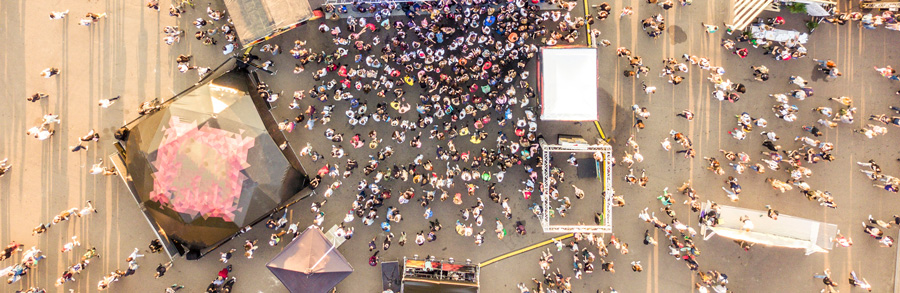
For instance, with AI-powered cameras and analytics, you can track crowd density in real time, adjust entry points, or redirect crowds to less congested areas to prevent bottlenecks. AI systems can suggest optimal event layout designs to reduce congestion and improve overall safety.
Two good examples of how this technology is being used include:
Citi Field, New York Mets: The Mets introduced their facial ticketing program, Mets Entry Express, at Citi Field in August 2021. This system lets fans enter the stadium using facial recognition technology, making the entry process smoother, boosting security, and cutting down wait times. It uses Wicket's computer vision sensors, allowing fans to show their face for entry without needing a ticket.
Rose Bowl Stadium, Pasadena, California: This stadium was one of the first to implement facial recognition technology. It is used alongside metal detectors to monitor certain personnel and identify potential threats, thereby improving overall security during events.
Facial recognition technology is particularly helpful for major events with a significant turnout, where long lines at the entrance can frustrate fans.
Drone Surveillance
High-definition surveillance video drones provide overhead views for increased security coverage in large or complex event venues. Drones can be quickly deployed to survey a facility – potentially faster than a patrolling employee – and give security teams real-time video feeds to enhance situational awareness. Not only does this provide better visuals of the event, but it can also free up security staff bandwidth and allow them to prioritize work that must be done by humans, such as intervening in any escalating situations.
In addition to aerial patrols, drones can be used for event security in other ways. For example, they can help monitor people entering or exiting the event so that foot traffic flows smoothly. They can even keep an eye on locations within the event, such as concessions stands, to ensure lines don't get too long and the crowd doesn't get too dense or unruly. This can be especially helpful when many attendees flock to the same destination, such as going to the bathroom during a break at a sporting event.
License Plate Recognition for Parking Management
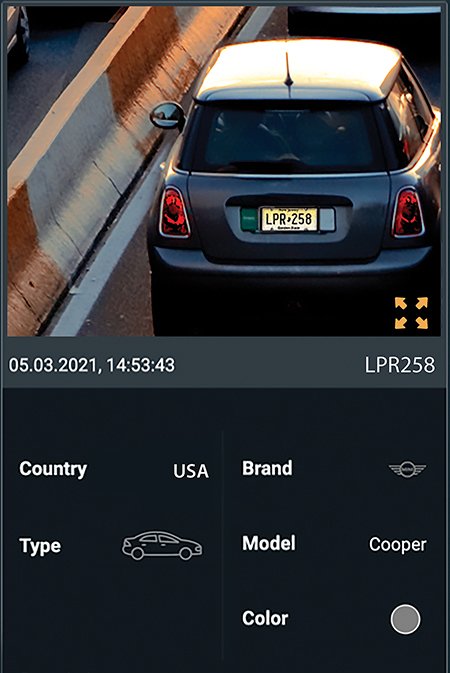
Another innovative use of surveillance technology is license plate recognition (LPR) technology. LPR systems can assist with parking management by:
Identifying VIP vehicles: LPR allows quick identification and access for VIP guests' vehicles, allowing security teams to escort them onto the premises.
Identifying unauthorized vehicles: LPR systems can quickly alert authorities if there is a security threat or unauthorized vehicle in the venue parking lot and relay information quickly.
Preventing unauthorized parking: LPR systems can link with parking management systems to guarantee that only permitted vehicles occupy assigned parking spots.
Monitoring traffic flow: LPR systems use license plate data to track entry and exit times, providing insights into peak hours and bottlenecks for better planning.
By automating these tasks, LPR technology streamlines traffic flow and enhances security in parking areas. LPR systems can also provide data analytics to event organizers, helping them understand parking patterns and improve future event logistics.
Mobile Security Apps
In event security, mobile security apps are a must-have for staff communication and coordination. Security teams can use these apps to stay connected, share key info, and react quickly to incidents.
For example, at a festival, if a first aid team receives an emergency call from a specific location, they can quickly communicate with other staff members and send out the necessary resources to handle the situation. In crucial moments, this swift reaction could save lives. Moreover, mobile security apps enable real-time incident reporting. Security personnel can use their phones or tablets to capture video or images of incidents or suspicious activities and report them instantly.Another added benefit of mobile security apps is their ability to provide event-specific maps and schedules, which can be referenced by both staff and attendees. This makes it easier for security teams to perform risk assessments ahead of time, put in place appropriate emergency protocols, and have the information needed to respond to threats accordingly. Some of these applications also allow staff to send out mass messages in the event of an emergency.
Integrating Technologies for a Comprehensive Event Safety Plan
Bringing this technology together can unlock the full potential of your event safety protocols. By combining AI-powered crowd management drone surveillance, LPR, and mobile security apps, organizers can create a multi-layered approach to event security. Whether it's a sports stadium or a music festival, this technology allows security teams and event planners to work together to keep attendees safe.
Previous
Next