Choosing the right type of security camera for your needs is a nuanced choice. There are many different ways to use cameras in business operations, so it's crucial to find the right one for your needs.
Dome and bullet cameras each offer distinct features, catering to specific functions. Dome cameras, known for their sleek, discreet appearance, are ideal for indoor environments requiring wide-angle monitoring. In contrast, bullet cameras, with their long, cylindrical design, stand out as an effective deterrent due to their visibility and are well-suited for outdoor use, offering robust weatherproofing and long-range capabilities. Understanding these differences helps in selecting the appropriate camera for tailored security solutions.
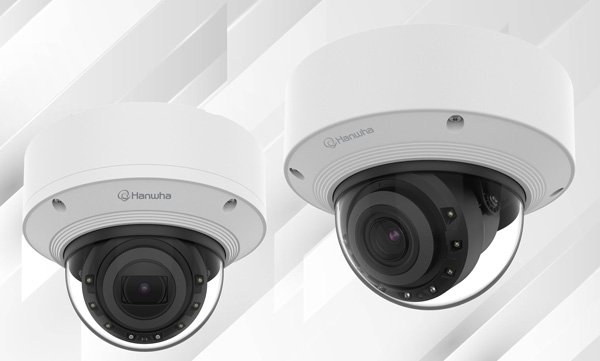
What Is a Dome Camera?
Dome cameras feature a compact, sleek design, typically housed in a dome-shaped casing. This discrete appearance makes them favorable for indoor use, as they're more likely to blend in with their surroundings. Although primarily used indoors, dome cameras can be installed outdoors if equipped with proper weatherproof features. They offer a wider viewing angle than bullet cameras, making them ideal for monitoring expansive areas such as retail spaces or large indoor facilities, where a broad field of view is essential.
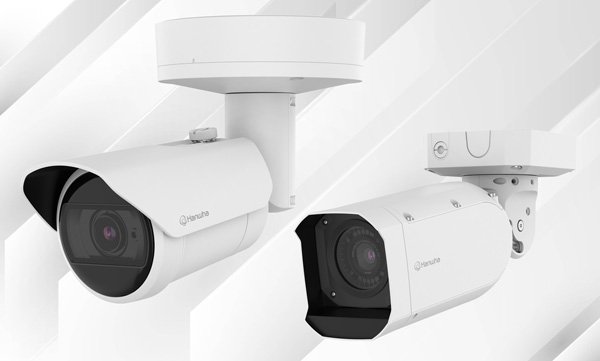
What Is a Bullet Camera?
Bullet cameras are characterized by their long, cylindrical shape that often resembles a gun barrel. This weatherproof design is also advantageous for outdoor use. Bullet cameras excel in long-range surveillance, capable of capturing detailed images over extended distances. Their prominent visibility acts as a deterrent to potential intruders, making them particularly effective in visible security applications such as parking lots and building perimeters, where their presence can discourage criminal activities.
Key Differences Between Dome and Bullet Cameras
Dome and bullet cameras differ most in their appearance, placement, viewing angle, and visibility. Dome cameras, with their discrete designs and wide viewing angles, are ideal for indoor settings like retail stores. Bullet cameras, with their noticeable presence and long-range capabilities, are better suited for outdoor environments like parking lots. Dome cameras are less obvious, while bullet cameras serve as a visible deterrent. Selecting the right camera will depend on the specific requirements of the areas in question.
Factors To Consider When Choosing a Camera Type
When selecting between dome and bullet cameras, consider factors like budget, desired features, and environmental conditions. Dome cameras are discreet and offer wide angles, ideal for indoor use, while bullet cameras provide long-range coverage for outdoor security. Consulting with a security professional can help determine the best fit for your specific needs. Enhance both camera types' effectiveness with perimeter security solutions, offering additional protection layers. Additionally, cloud-based video monitoring can bolster surveillance efforts, regardless of the camera type, by providing remote access and storage options. Ultimately, using a diverse range of surveillance technologies can result in a comprehensive and secure system.
Understanding Camera Technology for Enhanced Security
Modern dome and bullet cameras boast advanced features like 4K resolution, wide dynamic range, and low-light sensitivity, ensuring clear footage in varied conditions. These cameras can seamlessly integrate with other technologies, such as access control systems and alarms, offering a comprehensive security approach. AI-powered video analytics further enhances their capabilities by enabling motion detection and other automated features. This integration elevates the functionality of both camera types, contributing to more robust surveillance solutions.
Choosing the Right Camera Type
Selecting the right camera for your organization – dome or bullet – depends heavily on specific surveillance needs. A dome camera's discreet design and wide coverage make it better suited for indoor spaces, while bullet cameras' durability works best in outdoor areas requiring long-range visibility. Tailoring the choice to your environment and security requirements is key to optimizing protection and utilizing these technologies effectively.
Previous
Next