AI-Powered Video Surveillance Technologies
Security · Operations · Resilience | By Alexcy Poveda, Hanwha Vision Industry Expert
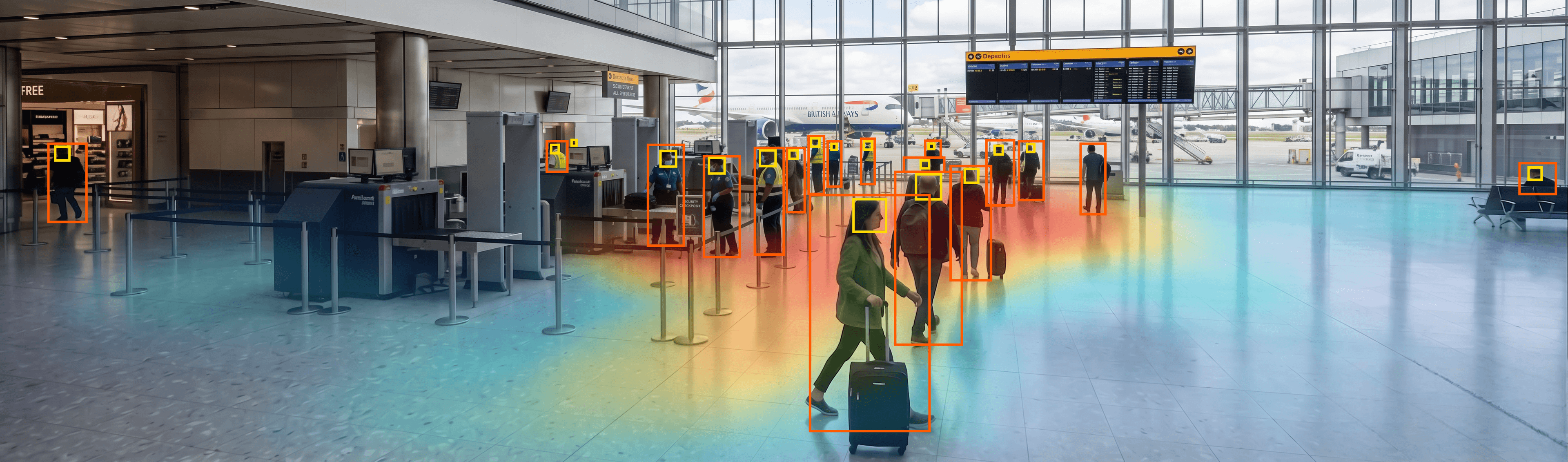
Over the next several years, airports will be busier than ever
Reports from organizations such as ACI World indicate that air passenger travel will double by 2040 compared to today's levels, with annual growth rates of nearly 3.4% from 2024 to 2044.
So, how can airports and airlines effectively navigate the heightened operational complexity and safety challenges that will accompany such a surge in passenger traffic?
Sure, no single solution can address every issue. However, making smart investments in AI-powered video surveillance technologies can go a long way towards creating:
Safe and secure environments
Operational resilience
Passenger trust and safety
Regulatory compliance
Future-ready infrastructure
AI Video Surveillance: Enhancing Security and More
AI vision is about delivering clarity and real-time insights that enable organizations to make informed, data-driven decisions for security and other functions.
Today's advanced AI-powered video surveillance systems are not passive tools like traditional CCTV systems. They are proactive intelligence engines that transform how organizations perceive, understand, and respond.
They not only identify what is happening now but, increasingly, identify what may happen next.
The shift from conventional security measures to Proactive Vision Intelligence is evident across nearly every industry. The importance of this transition is the central theme in Hanwha Vision's recently launched global campaign titled Now You See, which features actress Amanda Seyfried.
The campaign highlights the transformative power of Proactive Vision Intelligence (PVI), and the reasons why this shift in security technology from reactive monitoring to proactive, AI-driven prevention and business intelligence is so essential.
Here are a few of them.

Real-Time Threat Detection & Proactive Response
AI video analytics can swiftly identify unusual behaviors, such as abandoned bags, perimeter breaches, or unauthorized access attempts.
Rather than relying solely on human operators to monitor numerous screens, AI video surveillance highlights the most critical events.

Enhanced Situational Awareness Across Vast Spaces
Airports are typically vast ecosystems. From terminals and parking structures to runways and cargo zones, maintaining visibility is a formidable challenge.
Hanwha Vision’s AI-enabled cameras and platforms merge video and audio surveillance data with operational insights into a cohesive overview, with captured images that are interpreted and contextualized to deliver actionable intelligence.

Streamlined Passenger Flow and Operational Efficiency
Congestion at security checkpoints, bottlenecks at immigration, and delays at baggage claims are some of the most common daily occurrences that dramatically affect passenger satisfaction. AI analytics can assess queue lengths, detect crowding, and alert staff before issues escalate.
This proactive approach helps identify challenges early enough to prevent them from becoming problems, and ways to ensure proper staffing levels for peak and non-peak time frames.

Seamless Integration of Smart-Airport Technologies
From biometric boarding to automated baggage handling, airports are undergoing rapid digital transformations. The progress that has been made to this point will only accelerate much faster over the next several years.
AI vision systems can be seamlessly integrated with these technologies, creating a unified intelligence ecosystem that helps enhance operational efficiency and meet the needs of various functions, including IT, physical security, and operations.

Safer & More Efficient Fleet Maintenance Areas
AI video surveillance solutions are often used to enhance airline maintenance operations, through real-time detection of intrusion attempts, hazards like Foreign Object Debris (FOD), employee slip and falls, and temperature changes impacting key equipment.
By capturing and analyzing visual data, companies can accurately assess technician activity and ground support operations to ensure safety procedures are followed correctly, like the use of personal protective equipment (PPE).
Identifying equipment temperature changes with Hanwha Vision’s thermal imaging cameras helps spot potential failures or fires at their earliest warning signs. This reduces unplanned downtime and costs.
Alerts from overheating equipment or temperature changes within the maintenance area enable timely intervention, ensure safer workplaces, and help inform decisions related to equipment maintenance practices, such as evaluating intervals for fluid changes (greases, oils).

Simplify Compliance Tracking & Reporting
AI video surveillance strengthens airport compliance by delivering real-time detection of security and safety violations, like unauthorized access or unattended baggage.
Continuous, facility-wide monitoring help to ensure procedures and standard practices are conducted in accordance with FAA, TSA, and ICAO regulations. In addition, video data can ensure that standards related to accessible, dignified travel for passengers with disabilities meet national guidelines from ADA and ACAA, as well as international frameworks from organizations like ICAO, ACI, IATA.
By turning video events into structured logs, AI video surveillance solutions can simplify audit reporting and accuracy, improving incident response, documentation quality, and overall regulatory compliance.
In Conclusion
With advance AI video surveillance, airports and airlines can transform their security, operations, and maintenance practices from reactive, manual processes into predictive, data-driven efforts.
And, in an industry where every minute matters, Proactive Vision Intelligence is exactly what airports and airlines need now.
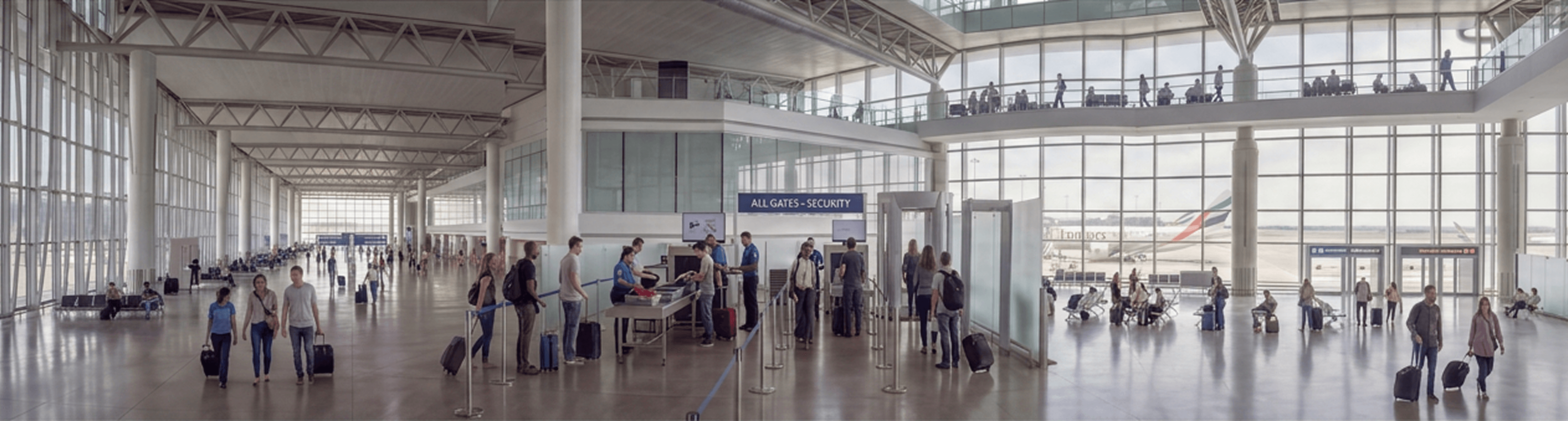
This page contains AI-generated imagery.
Attached Files
Previous