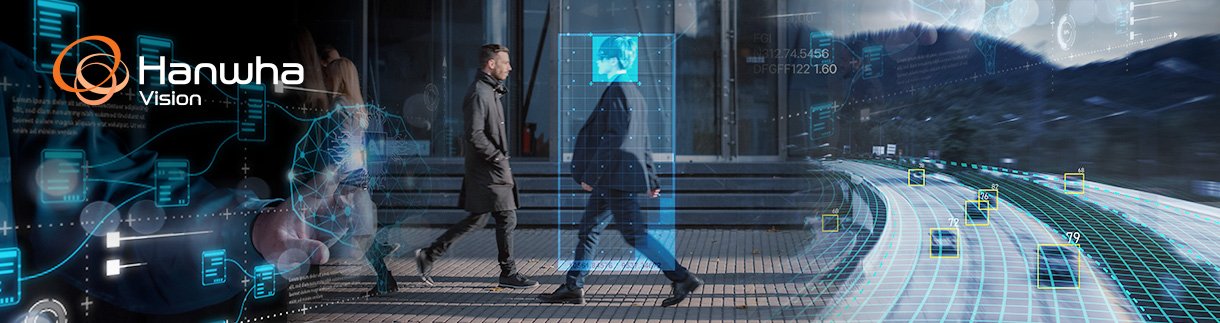
The role of video surveillance in enterprise security has shifted. Teams now rely on these systems not just to observe, but to help interpret what's happening and support decisions as situations unfold.
AI security cameras are built for that kind of work. These systems classify what they see, apply rules in real time, and route the right events to the right systems. For teams managing layered access, high-traffic zones, or distributed sites, that shift creates clarity, speed, and consistency where it counts.
The following guide breaks down how these systems work, what they're capable of, and how to evaluate the right fit for your environment.
Key Takeaways
AI cameras process video at the edge, identifying objects and behaviors tied to specific rules and risk models.
Event metadata supports faster decisions, structured alerting, and fewer false positives.
Real-time detection integrates directly with access control, dispatch, and other operational platforms.
Environment-specific priorities like site layout, response workflows, and long-term scalability determine which system is right for you.
What Are AI Security Cameras?
AI security cameras are designed to process live footage as structured data. Instead of passively recording everything that enters the frame, these systems detect and classify what they see in real time.
Each detected object in the frame is tagged with attributes such as direction, speed, or dwell time. This enables the camera to distinguish people, vehicles, license plates, faces, and other defined objects with precision.
That information is then passed through a rule-based decision engine configured by the security team. This enables specific responses without human review. For example:
If a person loiters in a restricted area longer than permitted, the system flags the event, captures a snapshot, and routes it to the appropriate response queue.
If a truck enters through the wrong gate, the system identifies the license plate and logs the event with a timestamp and location.
How Do AI Security Cameras Work?
AI security cameras transform live footage into structured, actionable insight. The process unfolds in distinct stages, each designed to convert raw video into decisions that support enterprise operations.
Data Capture and Pre-Processing
Video capture begins at fixed or multi-sensor cameras installed at entry points, corridors, or perimeter zones. These cameras record continuous footage while applying preprocessing steps designed to stabilize and clarify the feed. Pre-processing steps may include:
Lens distortion correction
Exposure normalization
Multi-frame noise reduction
Dynamic adjustment for glare, motion, and ambient light near reflective surfaces or outdoor gates
This ensures that downstream analytics receive standardized input. By controlling these variables at the source, the system reduces detection errors and supports consistent classification across diverse environments.
AI-Powered Analysis
Each clean video frame is processed by embedded AI models trained to distinguish between defined object classes such as individuals, vehicles, and unattended items. Once detected, objects are assigned structured metadata, including direction of travel, proximity to restricted zones, and estimated time in frame.
All analysis happens on the camera itself. Devices with onboard chipsets use edge computing to perform inference locally, removing the need to send full footage to a central server.
This configuration supports real-time responsiveness at scale. Enterprises running multi-site operations benefit from distributed logic that reduces manual review and prioritizes the events that require action.
Alerting and Integration
Each detection is evaluated against a rules engine configured for site-specific thresholds. For example, an elevated body temperature at a facility checkpoint, a missing uniform on a production floor, or movement against a designated one-way flow prompts distinct responses. These conditions are defined ahead of time based on the organization's risk model.
Once a rule is met, the system generates an alert with embedded metadata such as time, object classification, and location. That alert is transmitted to connected systems through configured APIs or protocol-based links.
Depending on the integration, the event might trigger a visual notification in a video management system, initiate a door lockdown, or escalate to dispatch. This tight coupling between detection and response removes delays and keeps operations aligned with real-time events.
Capabilities of AI-Powered Cameras
AI-powered security cameras operate through distinct, modular functions. These capabilities are configured based on operational needs, risk profiles, and site layout.
Object Detection
Object detection identifies items in the camera's field of view, separates them from the background, and assigns them a defined classification. These may include people, vehicles, packages, bags, or other authorized and unauthorized assets. The detection engine then separates objects from the background and assigns data such as object type, size, and position in frame.
Unlike conventional motion-triggered alerts, object detection supports targeted surveillance aligned to actual security requirements. For example, a food processing facility might log when carts leave a refrigerated zone for too long. A hospital could use cameras to monitor hand hygiene compliance in patient areas.
This type of policy-based monitoring reduces unnecessary alerts and streamlines security processes, especially in enterprise environments.
Object Tracking
Object tracking follows the movement of detected items across space and time. The system maintains continuity of identity for each object even when occlusion or crowd density disrupts a clear line of sight. Movement patterns are logged, including speed, direction, and travel path.
In practice, this supports activities like tracing how an unauthorized person moved across a data center floor or how a vehicle approached and exited a fenced storage lot. These motion logs create a searchable trail that helps incident review teams quickly reconstruct sequences without reviewing hours of footage manually.
License Plate Recognition
License plate recognition captures and interprets alphanumeric characters on vehicle plates as part of the detection and logging process. The camera isolates the plate, normalizes its orientation, enhances contrast, and applies optical character recognition to extract the data.
This supports monitored vehicle access at corporate campuses, distribution sites, or government facilities. Vehicles arriving outside scheduled times are logged automatically. Time-stamped data tied to entry or exit is recorded and searchable by plate number, site zone, or event type.
Counting
Counting functions track the number of people or vehicles passing through a defined boundary. These boundaries are established virtually within the camera interface and can be direction-specific. Counts are updated in real time and stored with time references for historical review.
A campus operations team might use this data to validate daily occupancy thresholds or optimize how security personnel are deployed by hour or shift. At a warehouse intake zone, counting helps document throughput without relying on manual logs or swipe-based systems. This creates a complete, video-backed audit trail tied to volume and movement.
Top Benefits of AI Security Cameras
AI security cameras bring structure, speed, and clarity to enterprise security programs. Their benefits are operationally specific, and each one is aimed at removing ambiguity, reducing overhead, or reinforcing accountability.
Enhanced Security
Security teams need systems that respond with precision. AI-enabled cameras classify events based on configured logic, filtering activity according to context. That shift turns surveillance from passive oversight into active enforcement.
The benefit: Events are evaluated in real time based on location, object type, and predefined rules. This allows teams to focus on high-priority incidents with clear context and faster response.
Real-world example: At a logistics facility, AI-enabled cameras track forklift activity in shared work zones. When a forklift moves too quickly or comes too close to a worker, the system triggers an alert. The system classifies both objects, measures proximity in real time, and captures a snapshot for review and documentation.
Improved Accuracy
Effective monitoring starts with clean signals. AI cameras isolate the data that matters, focusing attention on defined objects and rule-aligned behavior.
The benefit: Unstructured noise like reflections, weather movement, and background drift is filtered before it reaches the security queue. In practice, this translates to sharper incident logs and faster resolution cycles.
Real-world example: A facilities team reviewing an event in a server room would receive footage tagged with verified human presence, duration in zone, and movement path. That structured context reduces the need for manual interpretation and supports faster closeout.
Faster Response Times
Speed shapes outcomes. AI systems initiate workflows the moment rule conditions are met.
The benefit: There is no reliance on manual review or after-the-fact triage. The camera sees, classifies, and routes the event where it belongs.
Real-world example: At a major airport terminal, an AI camera identifies when an unattended bag remains in a public area beyond the configured threshold. The system classifies the object, timestamps the event, and sends an alert to security dispatch for immediate investigation. That response happens in real time, backed by structured metadata that supports follow-up or escalation.
Reduced False Alarms
Repetition wears teams down. When every tree branch, light flicker, or passing shadow creates an alert, attention erodes.
The benefit: AI cameras prevent alert fatigue by tightening detection criteria to only what qualifies as actionable.
Real-world example: At a logistics hub where entry gates see constant activity, the system flags only vehicles that meet specific criteria. That includes arrival outside designated hours or access from unapproved directions. Each alert carries intent, not ambiguity.
Intelligent Insights
Every event adds to a growing dataset. When AI cameras assign metadata to detections, those records become both searchable and measurable.
The benefit: Using metadata collected by AI systems, security teams can identify patterns over time that support operational changes and targeted reviews.
Real-world example: A stadium security team might review metadata to analyze crowd flow during halftime. The system flags recurring congestion near key exits, prompting staffing shifts and layout changes that improve movement at future events. The result is a response plan built from real-world behavior and repeatable insight.
Integration with Other Systems
Security works best when it connects across tools. AI cameras push event data into broader platforms through defined protocols, enabling automated next steps. Each detection becomes part of a larger operational workflow.
The benefit: Event metadata includes tags such as zone ID, timecode, and object type. These attributes feed directly into reporting systems or automation platforms through API calls or event listeners already in use by IT and security operations teams.
Real-world example: A transit operations center integrates AI cameras with its dispatch and incident reporting systems. When a service vehicle enters a restricted corridor, the camera tags the event with zone ID, timestamp, and license plate metadata. The alert feeds directly into the dispatch interface, allowing teams to respond without duplicating entries across tools.
Cost-Efficiency
Resource strain shows up in monitoring hours, storage loads, and post-event investigations. AI systems streamline all three by capturing less noise and delivering more structured evidence.
The benefit: AI camera systems support leaner staffing without sacrificing coverage.
Real-world example: One campus deployment reduced overnight review hours by surfacing only footage tied to rule triggers. The team shifted from watching screens to resolving the right issues, cutting review time while improving resolution quality.
Scalability and Flexibility
AI systems allow organizations to add locations, zones, or use cases without increasing management complexity. Each device processes data locally and feeds into centralized workflows only when required.
The benefit: AI camera systems enable enterprises to expand security coverage without growing headcount.
Real-world example: An enterprise managing security for a dozen warehouse locations applies the same rule logic across all sites while tuning local alerts to match layout and risk tolerance. That consistency enables control without creating operational drag.
How to Choose the Best AI Security Camera Monitoring System
An AI camera system shapes how your team observes, reacts, and improves. Every decision it makes about what to flag, what to ignore, and what to escalate becomes part of your operational rhythm.
That means the system needs to reflect the environment it's deployed into. If the logic doesn't align with your team's workflows, the alerts lose meaning and security suffers.
These five considerations will help you select a platform that fits your sites, teams, and goals without forcing unnecessary trade-offs.
Define Your Need
Every camera deployment begins with a purpose. Are you securing a single entry point or monitoring traffic across an entire facility? Do you need real-time alerts when rules are broken, or detailed records for audits and investigations?
Clarify the outcome you're solving for before weighing features. When you define the problem in operational terms, the requirements become tangible.
From there, map the environment – what zones are being monitored, what events matter, and what actions need to follow detection. This process translates a broad objective into specific capabilities to evaluate, and helps your team stay aligned as you compare systems.
Prioritize Features
Not every feature adds value to every environment. Focus on the capabilities that support how your teams actually work.
For example, if you need to track vehicles across a yard with restricted access zones, make sure the system includes license plate recognition and movement history. If the priority is occupancy control, accurate people counting matters more than facial matching.
Once you've defined the use case, document the functions that support it directly. Cross-reference those with what each platform offers out of the box. Keep your list short and tied to outcomes. Features that don't support action, alerting, or visibility shouldn't drive the decision.
Establish Total Cost
AI security systems introduce cost at multiple levels: hardware, storage, software, bandwidth, and support. Pricing varies widely depending on the architecture and scale.
For example, some platforms process video at the edge, which reduces load on central servers. Others rely on cloud components that carry ongoing subscription fees.
To get a clear picture, model the total cost of ownership (TCO) over three to five years. Include anticipated incident volume, staffing for monitoring or review, and expected site expansion. This model will help you compare systems based on operational impact, not just initial purchase price.
Evaluate Integration Requirements
Security teams rarely work in isolation. Camera systems are most effective when they interact with access control, incident tracking, dispatch, or facilities platforms. That requires clean handoffs from triggered alerts, structured data, to reliable communication between systems.
Start by mapping your current stack. Identify which systems need to receive data from the cameras, and what kind of events should trigger actions.
Then assess how each platform handles those connections – whether through open APIs, built-in integrations, or third-party middleware. The more direct the connection, the more value you'll gain from automation and response.
Plan for Future Scalability
As your footprint grows, your system needs to grow with it. That includes expanding to new sites, adjusting for different risk profiles, and maintaining consistent rule logic across locations. A system that works for one building should not need to be rebuilt for five.
To evaluate scalability, review how the platform handles rule management, device provisioning, and site-level overrides. Look for centralized control options with the flexibility to adapt configurations locally.
This structure allows you to expand without adding overhead or losing visibility across your network.
Get Started with AI Security Cameras from Hanwha Vision
The advantage of AI in physical security comes from control. Cameras process what's happening in the moment, apply logic to what they see, and pass that insight to the systems and teams that need to act. When detection is tied to decision-making, security becomes proactive, not reactive.
Hanwha Vision builds for organizations where that kind of response is standard: facilities with tiered access, zones with high compliance thresholds, and operations that depend on clear, timely information.
Ready to get started? See how Hanwha Vision's AI cameras turn detection into action with the logic, structure, and control your environment demands.
Previous
Next