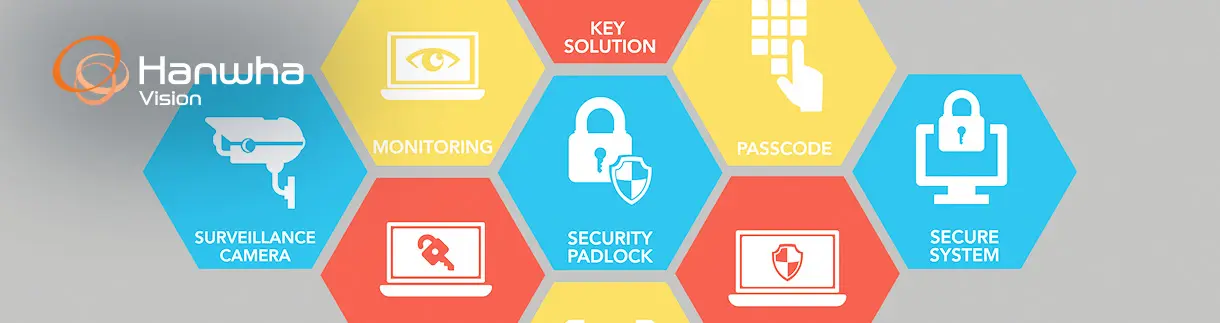
With the number and complexity of security threats constantly increasing, no single line of defense can reliably and thoroughly protect a company's data, property, and people. Multiple threats necessitate multiple defenses, and that's where the layered security model comes into play. By deploying overlapping layers of security, organizations can reduce the risk of breaches and respond proactively to emerging threats.
Layered security is a comprehensive approach to integrating multiple protective measures across physical and digital domains. Combining video surveillance, network defenses, and administrative controls creates a cohesive strategy that can deter, detect, and defend more efficiently than any one set of defenses. While the concept is fairly simple, creating an effective and continually adaptable multi-layered security model requires careful planning and attention.
Core Elements of Layered Security
A layered security approach uses multiple components that serve specific functions in defending against potential threats. These elements include both physical and cyber controls that together form a comprehensive security system.
Physical Security: Barriers such as locks, fences, and gates help deter unauthorized access, and security cameras monitor activity in real time.
Network Security: Firewalls, intrusion detection systems (IDS), and secure Wi-Fi networks protect a company's digital perimeter from cyber threats.
Data Security: Encryption, secure backups, and data loss prevention (DLP) tools help protect sensitive information from unauthorized access or exposure.
Endpoint Protection: Antivirus software and endpoint detection tools safeguard individual devices that connect to the network.
Identity Management: Access controls, multi-factor authentication (MFA), and role-based permissions ensure that only authorized users can reach protected systems and information.
A modern advancement in layered security is the proliferation of intelligent video and audio surveillance technologies. These systems enhance situational awareness by using analytics powered by artificial intelligence (AI) to identify suspicious behavior, detect sound anomalies like breaking glass or raised voices, and send immediate alerts. Smart surveillance significantly boosts a facility's overall security posture when combined with access controls and intrusion detection.
How Different Layers of Security Work Together
To understand how layered security systems work, it's helpful to consider a real-world example such as a retail store. In this case, layered security starts with physical elements such as security and surveillance cameras, electronic locks, and motion sensors. These tools monitor entrances, prevent theft, and help staff respond quickly to suspicious activity. Video footage can also be reviewed to investigate incidents or assist law enforcement.Behind the scenes, technical defenses protect the store's network and payment systems. Firewalls block unauthorized access, while antivirus software guards point-of-sale terminals. Access to sensitive data, like customer records, is limited through multi-factor authentication and encrypted storage, reducing the risk of data breaches.Administrative layers tie the system together. Store employees follow security protocols like regularly changing passwords and reporting suspicious behavior, while managers use cloud-based platforms to organize and review camera footage remotely.These combined security layers work as a system: cameras deter and document threats, cybersecurity tools guard digital assets, and clear policies ensure staff follow best practices.
Adopting a Multi-Layered Approach to Threat Prevention
Creating an effective layered security system starts with a clear plan and structured implementation. For managers, the following steps provide a practical path to building a defense that protects both physical and digital assets:
Identify vulnerabilities: Walk through your facility and digital infrastructure to pinpoint weak spots, such as unmonitored entrances, unsecured data, or outdated systems. Prioritize risks based on the urgency of their potential impact.
Deploy physical security tools: Install advanced surveillance cameras in strategic areas, secure entry points with electronic access controls, and consider motion sensors and alarms for after-hours protection.
Secure your network and devices: Use firewalls, antivirus software, and regular software updates to protect all connected systems. Encrypt sensitive data and use virtual private networks (VPNs) for remote access when needed.
Enforce access control and authentication: Limit access to systems based on job roles, require strong passwords, and implement multi-factor authentication for administrative tools and critical platforms.
Train your team and set clear policies: Establish clear protocols for system access, device use, and incident reporting. Conduct regular training to ensure employees can recognize and respond to security threats.
Monitor and respond continuously: Use centralized platforms to monitor camera feeds, receive real-time alerts, and track system activity. Prepare a response plan so your team is ready if an incident occurs.
By following these steps, managers can create a security framework that deters threats and also responds to them effectively. For even greater efficiency, consider integrating your surveillance, access control, and network monitoring tools into a unified, cloud-based platform that allows for improved coordination and faster response.
Building a Resilient Security Strategy for the Future
Threat detection and response will continue to evolve at an accelerating pace, making an effective strategy necessitate ongoing evaluation and rapid adaptation. Managers should regularly assess vulnerabilities, update technologies, and refine protocols to ensure comprehensive protection. Training staff and conducting response drills will also help keep teams ready for potential security breaches.
Keeping up with the rate of change is difficult for small teams not made up of cybersecurity professionals, but layered security shouldn't be considered a luxury. It's a necessity in a world of growing physical and digital threats.
Fortunately, managers can gain an edge by adopting smart, scalable solutions that integrate physical and digital systems. Automated solutions that use AI, real-time visibility, and cloud-based monitoring can maximize the precision and adaptability of a system. Embracing these innovations will help organizations stay proactive and responsive to emerging threats.
Previous
Next