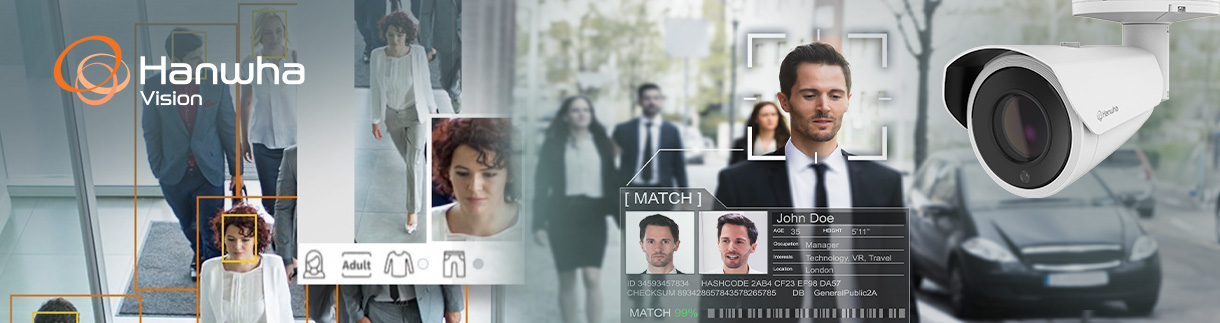
Artificial intelligence (AI) programs utilize algorithms to assess data and use it to make decisions or observations.
AI software can improve its output over time through machine learning to produce more accurate results for end users. Machine learning uses neural networks, which mimic the decision-making processes of the human brain, to analyze and process large amounts of data quickly.
AI has made an impact on physical security and surveillance by helping teams expedite forensic review, which includes identifying objects, deploying customizable alerts, and analyzing business operations.
Here's a look at how AI can reduce risk and improve safety.
How AI Affects Security
From anticipating risks to making the work of security teams easier, there are already myriad ways that AI can affect physical security. However, some of the most noteworthy impacts include:
1. Real-Time Threat Detection
AI technology enables real-time detection of potential threats by automatically identifying objects and using attribute extraction to classify them. Security teams can access AI metadata instantly to identify people, faces, vehicles, license plates, and more.
Additionally, AI systems can integrate with other security technologies, such as access control systems, to monitor unauthorized entries as soon as people enter a facility.
2. Improved Accuracy
AI systems can analyze significant amounts of data more quickly and more accurately than humans can. This means the output from AI is less likely to contain errors, which can trip security teams up, particularly if they need to act quickly.In addition, AI continuously learns. The more a system is used and the more input it receives, the more it will learn. This includes learning how you and your organization prefer to use the technology and becoming increasingly accurate to suit your needs as a result. Further, this continual improvement in output can then help with future analysis and decision-making.
3. Advanced Analytics
AI can be used to analyze trends and patterns in security data. AI systems can then extrapolate and apply that information to future scenarios. With this information, security teams are better equipped to identify and pre-empt potential risks, enabling teams to prepare for risks proactively or even prevent them from occurring altogether.
Ways To Implement AI in Security
The real-time alerts, continuous accuracy improvements, and ability to produce detailed analyses make AI a powerful tool for physical security operations. Let's look at some of the security applications that AI can enhance:
1. Object Detection and Attribute Extraction
AI can recognize objects and extract specific attributes from this visual data. This includes being able to find and identify specific objects in both images and video. This information can then be classified and placed into a searchable database. In addition, this technology is valuable in low-light conditions, crowded areas, or instances when people are wearing masks or other coverings.Security teams and other individuals involved in monitoring can use this data to pull up the video feed for when an event occurred. They can then provide this information and footage to law enforcement or other invested parties to examine for evidence or corroboration.
2. License Plate Recognition
License plate recognition (LPR) technology uses AI to identify and read license plates in different scenarios, including when vehicles are in motion. This technology has been adopted in a variety of industries, from law enforcement to transportation, because it allows personnel to track the movements of certain vehicles and find out their location.
3. Predictive Analytics
Predictive analytics powered by AI can assess data from many sources and use it to identify patterns to mitigate potential security threats. For instance, predictive analytics may identify that most break-ins happen between midnight and 5 a.m., in which case a facility's security personnel can use enhanced measures to protect against theft during this time.
Examples of AI in Action
AI-powered cameras and analytics tools help reduce theft in a variety of industries by identifying suspicious behavior and alerting security personnel so they can intervene promptly. Using AI technology, security personnel can automatically detect when an object has entered or exited a specified area or is loitering in a pre-defined zone.
Addressing Concerns About AI in Security
Because AI surveillance is sophisticated and can collect, analyze, and store large amounts of data, there are often concerns about user privacy and the ethical use of this information. For this reason, it is important to have a strong AI governance program within your company to ensure that this data is used correctly and fairly.However, even when data is used ethically, there is also the concern of what can happen if third parties gain access to the sensitive data used and collected by AI systems. Reliable camera companies take steps to address the vulnerabilities of internet-connected smart devices. They often have cybersecurity features to protect against unauthorized device access and should have encrypted databases, firmware, and video data transmission, among other useful features. Camera companies that prioritize consumer safety may also publish reports about the vulnerabilities in their systems and how to address them appropriately.
Ultimately, AI-powered security systems can improve safety and increase the effectiveness of your overall security operation. The ability to pick up patterns and details that humans might miss and crunch large amounts of data almost instantaneously makes AI an indispensable tool for security personnel.
Previous
Next