
A striking paradox is occurring in American homes: Many are embracing technology more than ever to feel secure in their homes, but they don't fully trust it.
A new nationwide survey reveals that while smart doorbells and cameras have become the most relied-upon safety measures, concerns about hacking, surveillance, and privacy remain widespread. From motion-sensor lights to safety apps and even AI-powered advice, the findings show a nation balancing innovation with unease in the quest for peace of mind.
Key Findings
Hybrid cloud technology offers several advantages when compared to more traditional or single-environment cloud strategies:
82%: Use smart doorbells/cameras for security
41%: Rely on motion sensor lighting
25%: Check cameras several times a day for peace of mind
20%: Use safety apps like Citizen or Noonlight
43%: Fear hacking of their home security devices
33%: Turn to local news apps first in emergencies
28%: Trust AI helpers like ChatGPT with safety decisions
Smart Doorbells and Cameras Are Top-Ranked Safety Tools for the Majority of Americans
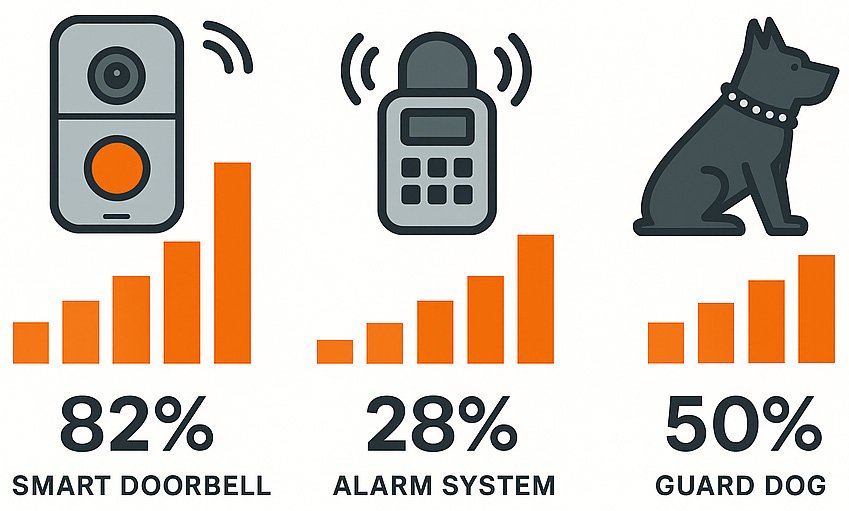
Over 82% of people use smart doorbells or cameras, making them the most relied-upon home security measure, significantly ahead of traditional alarms (28%) and dogs (50%).
This growing reliance on video surveillance technology reflects the effectiveness and accessibility of modern security camera systems.
For those seeking professional-grade security solutions, commercial IP and analog security cameras offer advanced features like high-resolution imaging, smart analytics, and 24/7 monitoring capabilities that extend far beyond basic doorbell cameras, providing comprehensive protection for both residential and business properties.
Americans Are Concerned Their Safety Tech Could Turn Against Them
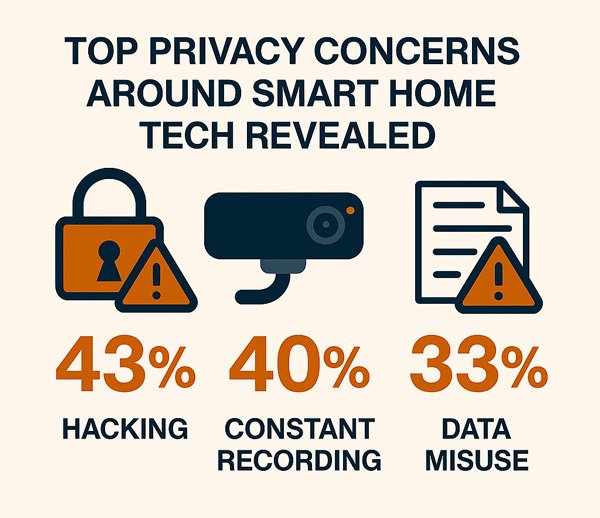
Despite nationwide adoption, 43% of Americans are worried their devices will be hacked, followed by constant recording (40%) and misuse of personal data (33%). Despite widespread adoption, skepticism about surveillance remains.
A Quarter of Americans Obsessively Check Their Cameras
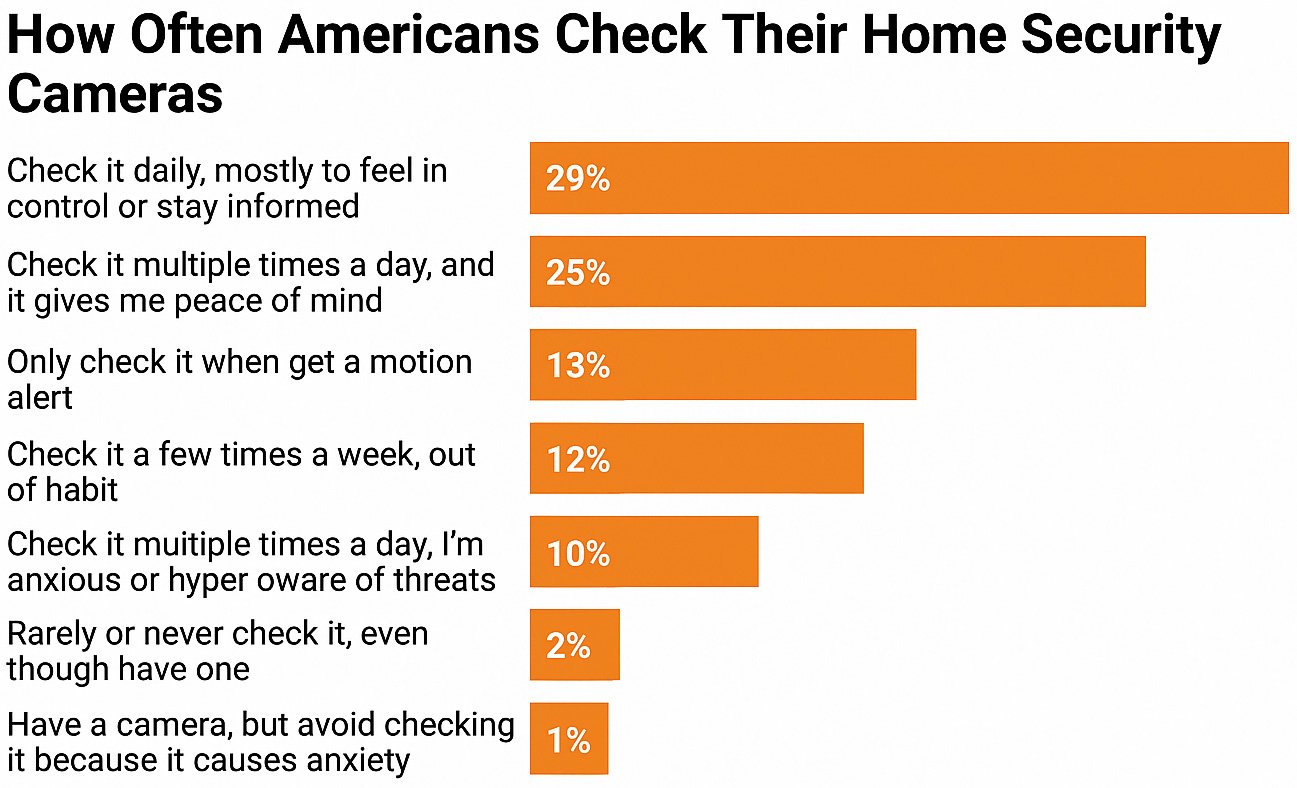
While 25% check cameras multiple times a day for peace of mind, nearly 10% admit frequent checks stem from anxiety, and a small but telling 0.6% avoid checking because it makes them more anxious.
Almost Half of Households Use "Old-Fashioned" Motion Sensor Lighting
41% of respondents use motion sensor lighting as a layer of home security, demonstrating that simple, preventive technologies continue to be integral alongside more advanced smart tools.
Safety Apps Are Becoming the New Neighborhood Watch
20% rely on safety apps (such as Citizen or Noonlight) for security, showing the growth of app-based solutions for instant alerts and information in daily routines.
Local News Beats Social Media for Real-Time Updates
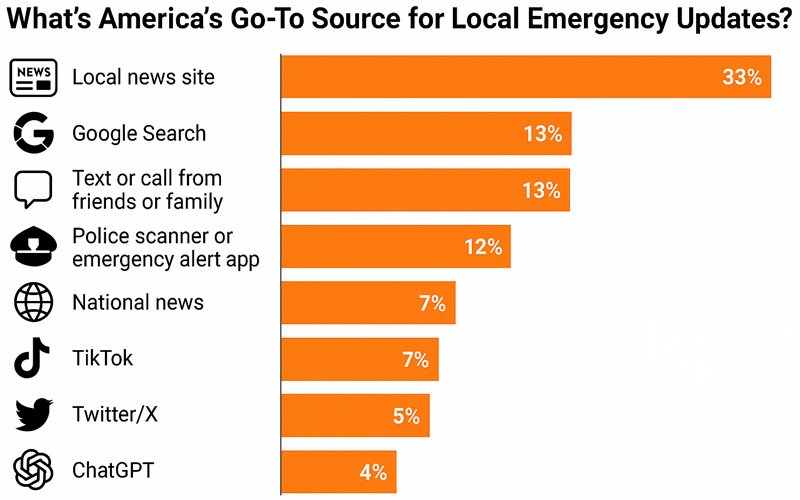
When something dangerous happens nearby, local news apps/sites (33%) and police/emergency alert apps (12%) are the most common first stops for information.
In comparison, TikTok (7%) and Twitter/X (5%) are rarely a first choice, suggesting that institutional trust outweighs social media hype in urgent situations.
Nearly 3 in 10 Now Ask AI for Safety Guidance
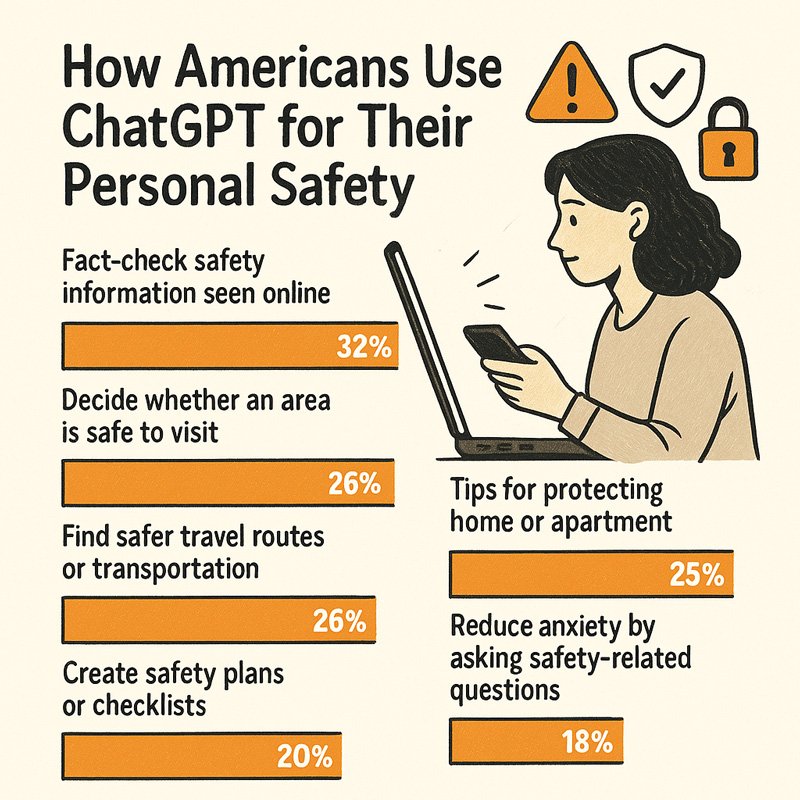
Nearly 28% already trust ChatGPT or similar AI regularly for safety decisions, while 35% use it cautiously. A notable 18% reject AI outright for safety guidance, highlighting a sharp divide in public confidence.
Summary
The survey paints a complex picture of modern safety in the U.S.: technology is both a comfort and a cause for concern. Smart cameras and apps are now everyday tools, yet nearly half of Americans remain deeply wary of how these devices collect and share their data. Even as AI enters the mix, trust remains divided. Ultimately, the results highlight a defining paradox of the digital age: Americans want more tools to feel safe, but they are increasingly aware of the risks that come with them.
Methodology
To explore how Americans use and perceive home security technology, we surveyed 1,000 U.S. adults who use or plan to use smart security devices. Respondents rated their reliance on smart doorbells, cameras, motion sensors, safety apps, and AI features, and shared concerns about hacking, surveillance, and data privacy. We then analyzed results by demographics, income, and household type to identify trends in adoption, trust, and security priorities.
Fair Use Policy
Users are welcome to utilize the insights and findings from this study for noncommercial purposes, such as academic research, educational presentations, and personal reference. When referencing or citing this article, please ensure proper attribution to maintain the integrity of the research. Direct linking to this article is permissible, and access to the original source of information is encouraged.
For commercial use or publication purposes, including but not limited to media outlets, websites, and promotional materials, please contact the authors for permission and licensing details. We appreciate your respect for intellectual property rights and adherence to ethical citation practices. Thank you for your interest in our research.
Previous
Next