Across the country, schools are installing surveillance cameras throughout their campuses. From main entrances to classroom hallways, cameras are becoming as common as desks and lockers. This rise in usage is primarily driven by efforts to improve safety, reduce vandalism, and prevent bullying.
According to the National Center for Education Statistics, in the 2021-2022 school year alone, public schools reported approximately 857,500 violent incidents and 479,500 nonviolent incidents. With numbers like these, it's no surprise that educators are turning to technology to help protect their school communities, and video surveillance plays a central role in this effort.
As these systems evolve, so does the conversation around them. While many view cameras as essential safety tools, others worry about how constant monitoring may affect trust and privacy within the school environment.
Let's examine how cameras are used in schools, the technology behind them, and the challenges administrators must navigate when considering implementation.
Role of School Cameras for Enhancing Safety
Surveillance cameras in schools act as a silent line of defense. They discourage bad behavior and provide important evidence when things go wrong. Their presence can reduce physical altercations, prevent vandalism, and help staff identify outsiders who shouldn't be on campus. All of these contribute to a safer, more secure environment for students and teachers.
Advanced systems designed specifically for video surveillance in schools offer even more control. They can be set up to monitor specific areas like hallways, entrances, or common areas. This visibility allows school staff to respond faster in emergencies or prevent situations from escalating in the first place.
Types of Cameras in Classrooms
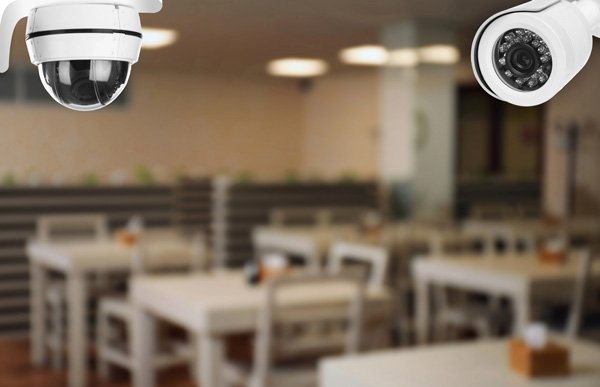
Modern security systems go far beyond the simple mounted cameras of the past. Schools now use AI-powered surveillance systems that learn from behavior and detect real-time anomalies. These tools recognize when something seems off and trigger alerts immediately.Systems that use artificial intelligence (AI)-powered surveillance can detect behavior patterns that don't align with expected activity. These systems help schools act faster when someone lingers in a restricted area or when there's a sudden rush in a hallway.
High-resolution security cameras provide clear images that can help identify people or actions during incidents. The clarity of the footage plays an instrumental role when investigating reports of bullying, misconduct, or trespassing.Meanwhile, intelligent video analytics offer an extra layer of protection. They can detect movements or objects that raise red flags, like a door being propped open after hours or an unaccompanied individual entering a restricted space. With automated alerts, administrators can intervene before an issue spirals.
Integrating School Cameras With Cybersecurity Measures
Schools are vulnerable to physical threats, but they're also targets for cyberattacks. A connected surveillance system is only as secure as the network behind it, which is why integrating cybersecurity practices becomes invaluable for safety.
One effective way to integrate surveillance with cybersecurity is through analytics technology that monitors data flow and flags unusual access patterns. If someone attempts to manipulate a camera feed or gain unauthorized access, administrators can act before the breach compromises sensitive information.
Of course, any digital system needs strong defenses. Schools must work to prevent hacking, unauthorized remote access, and data leaks. That's why combining physical security with digital protection, strategies such as cybersecurity in schools, is necessary.
Benefits of Video Surveillance in Schools
When implemented thoughtfully, surveillance systems bring several meaningful benefits to a school environment. These systems support safety, create a culture of accountability, and enable quick responses when incidents occur.Below are some of the most impactful benefits:
Promotes accountability: When students, faculty, and visitors know their actions are recorded, they are more likely to follow rules and respect others.
Improves incident response: Clear footage helps administrators respond more effectively to situations, such as theft, fights, or safety concerns.
Supports investigations: Video evidence can clarify what happened during an incident and support disciplinary or legal actions if necessary.
Discourages vandalism and bullying: Visible cameras send a message that misbehavior won't go unnoticed.
Enhances emergency preparedness: Real-time monitoring allows staff to direct emergency responders and coordinate evacuations more efficiently.
Provides remote oversight: Cloud-based surveillance solutions give administrators access to footage from mobile devices, allowing them to oversee school safety even when off-campus.
Combined with clear policies and transparency, these systems help foster a safer, more respectful school culture.
Downsides of Implementing School Surveillance
While cameras can support school safety, they come with valid concerns. Many of these revolve around privacy, cost, and the balance between monitoring and trust.
Here are several important considerations:
Privacy concerns: Constant surveillance can create anxiety among students and staff. Some may feel like their personal space is being invaded or they are being watched without cause.
Impact on trust: Overreliance on cameras might replace face-to-face communication and relationship-building. Students may feel like they're being treated as potential threats rather than young learners.
High implementation costs: Installing a complete system can be expensive. This includes equipment, installation, maintenance, and software updates.
Ongoing monitoring requirements: To be effective, surveillance footage needs active oversight. That means training staff, dedicating time, and investing in long-term support.
Potential for misuse: Without clear guidelines, the wrong people could misuse or access footage.
Before investing in surveillance, school leaders must weigh these drawbacks against the potential benefits and ensure their policies reflect student and community input.
Ethical Considerations and Legal Implications of Security Cameras in Schools
Installing security cameras in schools doesn't happen in a vacuum. It involves a complex web of ethical, legal, and community considerations. Schools must comply with local, state, and federal laws that govern how surveillance is conducted, who has access to footage, and how long that footage is retained.
Transparency is also fundamental. Parents and staff deserve to know where cameras are placed, what they record, and how data is stored. Consent forms, signage, and policy documents all help set expectations and reinforce trust.
Ethically, schools have a responsibility to strike a balance. Security shouldn't come at the expense of dignity or personal freedom. Surveillance is most effective when it supports, not controls, the learning environment.
Clear guidelines should define what is monitored, when monitoring occurs, and how footage is used. Involving students, parents, and teachers in policy discussions can help schools establish practices that are fair, responsible, and aligned with their educational mission.
Previous
Next