The smart security camera industry is thriving. The U.S. video surveillance market is worth $12.34 billion and is projected to grow to $24.04 billion by 2029.These products are attractive because they can transmit video feeds over the internet in real-time. This enables end users to customize event notifications and use AI-powered tools to assess images for security problems.However, these connected devices can present problems for businesses. Smart cameras may be vulnerable to hackers, as exhibited in a 2024 string of cyberattacks that targeted Ring doorbell cameras.Breaches can expose sensitive information, and there is public concern that commercial entities or government agencies may use security footage for non-security purposes.It's important to understand these dangers so that you can take steps to mitigate risk, while still reaping the security benefits that smart cameras can offer.
Understanding Smart Cameras
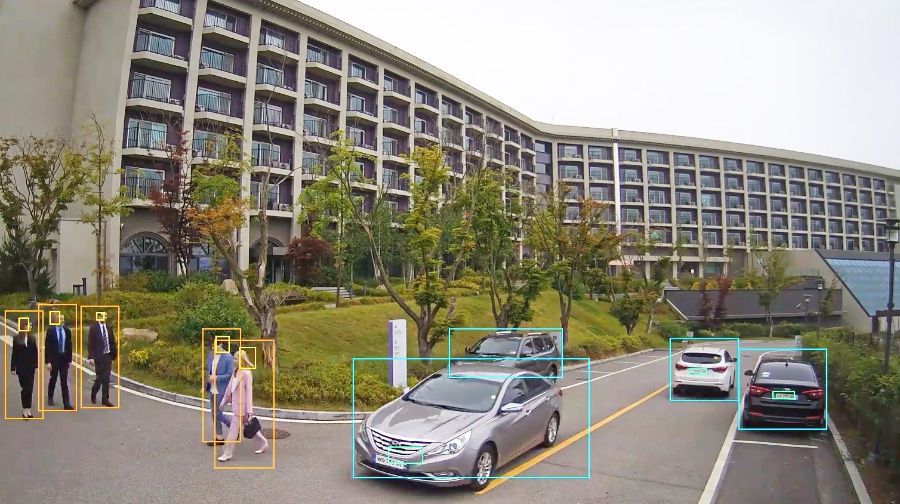
Smart cameras have either a wired or wireless connection to the internet. They may use Wi-Fi, ethernet, or cellular data to transmit footage to a computer, application, or cloud-based platform.
Smart cameras allow users to tap into AI-powered analytics to easily analyze footage. Using algorithms to detect people, vehicles, faces and more, users can identify potential threats and reduce false alarms through automated processes. Security managers can also set up custom event notifications using AI to send alerts out if an object has entered/exited a specified area.Some smart cameras can offer specialized features. For instance, law enforcement can use license plate recognition (LPR) cameras and software to locate and track vehicles. Manufacturing and industrial facilities can utilize thermal imaging technology to monitor equipment and machinery and prevent dangerous accidents.
Security Issues With Smart Cameras
Unfortunately, internet connectivity opens smart cameras up to several vulnerabilities, including hackers stealing sensitive footage or secretly accessing feeds.
Here's a look at five possible security issues to consider as you choose and operate a smart camera system in your business.
1. Vulnerability to Hacking and Malware
The Internet of Things (IoT) has transformed security. However, because these products are connected via the internet, they are potentially vulnerable to hackers. If they are able to gain access through a backdoor or other weak point, cybercriminals can control a camera, watch a feed, or use it as an entry point to get into other devices or databases on the same network.Cyber Attackers can also install malware that can be used to take control of the device at a later time. For example, in 2016, a massive distributed denial of service (DDoS) attack used more than 100,000 hacked smart cameras to bombard sites with an unmanageable amount of traffic.Solution
Businesses should include smart cameras in your cybersecurity strategies and select a manufacturer that follows best practices like encryption, password protection, and rigorous product testing. You should look out for a manufacturer with acybersecurity policy that satisfies stringent UL CAP standards.
2. Weak Password Protection
While skilled hackers may rely on sophisticated techniques to breach security, most rely on simple entryways, like poor passwords.According to the U.S. Cybersecurity and Infrastructure Security Agency, you should choose passwords that are at least 16 characters long and made up of lower-case and capital letters, numbers, or symbols. The password should be random or consist of an easy-to-remember but nonsensical phrase like "HouseBlueDrinkRoad."
You can add redundant protection by using multi-factor authentication – which requires a second, unrelated code sent via text or email – to log in.Solution
Implement a stringent password policy for your security team that involves updating a password every 6 months, using multi-factor authentication and more. better overall experience
3. Lack of Encryption
Encryption is the process of scrambling information before sending it over the internet and can protect your data and video feeds. It involves. The end user who will receive the data has a decryption key, which returns the scrambled information back to its original form.Many IoT devices, including smart cameras, lack encryption or have weak encryption protocols, meaning that hackers can easily access data or hijack video feeds when they get sent to the end user.Solution
The best way to avoid problems is to find cameras with strong encryption protocols. These should include encrypted video data, firmware, and databases. With these systems in place, hackers won't be able to view or read encrypted video data.
4. Data Breaches and Privacy Violations
Smart cameras can collect sensitive data, which is a prime target for data breaches. .Organizations, especially government agencies, have to be careful about how the information captured by their security video system gets used and stored. Hackers could use smart cameras as a back door to access databases and steal this information. Additionally, organizations may need to obtain a warrant issued by a judge to collect certain types of personal information.Solution
Proper management of personal information and video footage is essential to ensure privacy and avoid personal data falling into the wrong hands.
5. Unauthorized Access to Live Feeds
Sometimes, hackers or bad actors aren't looking to steal data, access networks, or use devices for DDoS attacks; They are trying to access live video feeds.
Amazon was forced to pay millions to settle a suit involving privacy violations with its Ring smart door cameras. Another company, Wyze, mixed up feeds on more than one occasion, allowing users to temporarily see into other people's houses.Unauthorized access to a video security system could be extremely damaging for businesses, with video feeds showing customers or employees potentially published online.
Solution Secure, cloud-based infrastructure can help ensure live feeds remain encrypted. Also, you need to work with reputable smart video companies with policies and practices in place to prevent unauthorized access.With careful planning and the right products, you can mitigate privacy and cybersecurity risk with connected smart cameras while getting the enhanced security benefits these devices provide.
Previous
Next