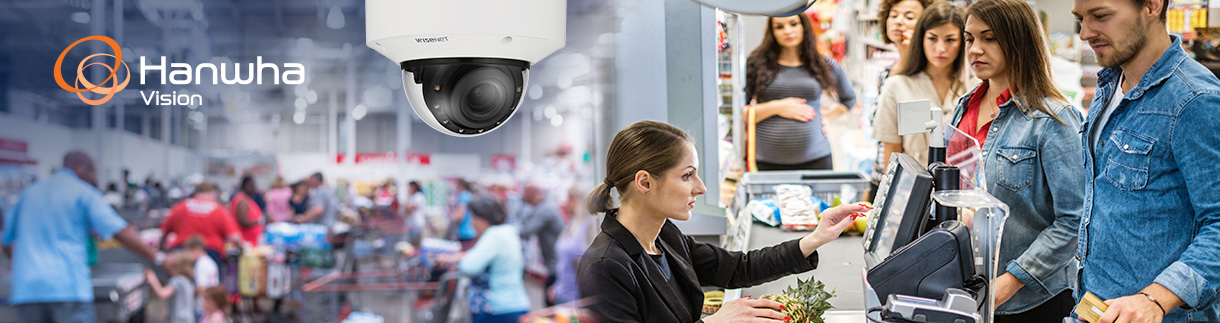
With new health and safety norms affecting many industries, smart cameras allow businesses to adapt and promote contactless interactions. Featuring AI, machine learning, and IoT connectivity, smart cameras go beyond traditional surveillance solutions to offer valuable insights to improve operations.
Many businesses have adopted smart surveillance systems to help secure their facilities, provide better services, and enhance customer experience. From retail to healthcare, smart cameras offer a new way of operating with reduced human interaction while still maintaining high standards of service and efficiency for patrons.
The Role of Smart Cameras in Contactless Payment Systems
Smart cameras with high-definition imaging, AI, and other advanced technology capabilities can perform a variety of functions beyond traditional surveillance. In retail, smart cameras are now used to assist with queue management and to help make contactless payments smooth, keep people moving, and elevate the customer experience.AI-enabled cameras can generate alerts when customers have been waiting in line or at a kiosk for longer than the allowable parameters set by facility operators. Queue management is beneficial in big box stores with many self-checkout lanes or stadiums with multiple food stations because it alerts staff when customers may be experiencing a problem or enduring long wait times.
AI and Video Analytics for Occupancy Monitoring
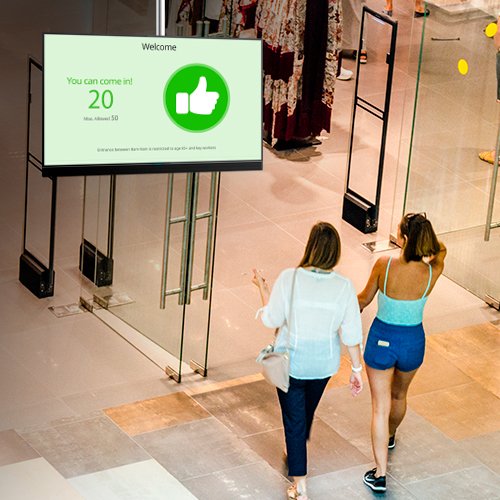
Smart cameras with AI and video analytics are also changing how businesses monitor occupancy levels. These systems can count people accurately and provide real-time data on how crowded an area is. This is especially helpful in retail stores, restaurants, and other public spaces where controlling crowd size is essential for efficiency and safety.Retail, resort, and event locations increasingly use smart cameras with built-in business analytics to help elevate the customer experience and keep operations running efficiently. In a restaurant, smart cameras can monitor the number of diners and alert staff when the space is approaching its maximum capacity.Data from people counting and heat map visualizations allows for better crowd management and improves the overall customer experience while helping managers make informed choices on staffing levels, customer flow, and product placement.
As AI analytics become increasingly important to business operations, many organizations are beginning to use cloud-based dashboards to access data, alerts, and reports from multiple locations in real-time via a single pane of glass.
Public View Monitors
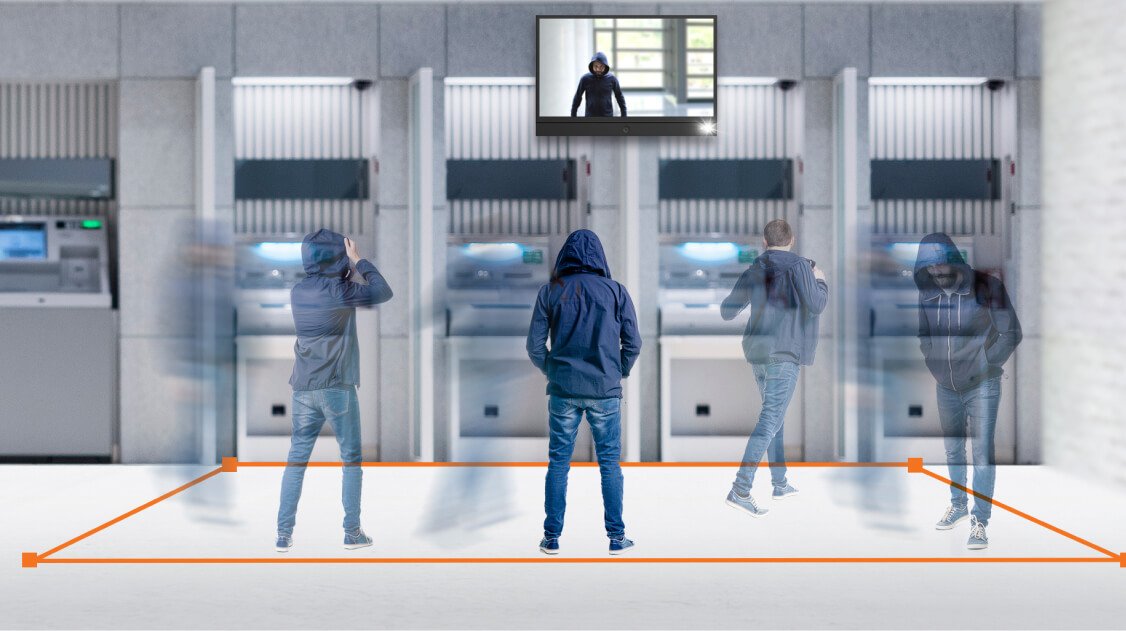
In conjunction with smart cameras, some B2C businesses are employing AI-enabled Public View Monitors (PVM) to help prevent loss in contactless environments, traditional retail settings, banks, parking garages, and more. PVMs deter would-be thieves or vandals by showing them that they are being surveilled. PVMs can also inform law-abiding customers by displaying advertising and announcements alongside surveillance footage.
Benefits of Using Smart Cameras for Contactless Operations
Using contactless procedures with smart cameras offers several benefits, including:
Efficiency: Smart cameras can be paired with QR code scanning, and video to streamline processes and reduce wait times.
Reduced costs: Smart cameras can automate processes, allowing companies to reduce staffing expenses and increase productivity.
Improved customer experience: Contactless procedures are both safer and more convenient, especially in retail or hospitality industries.
Smart cameras can also include features like license plate recognition and seamless video camera integrations. These features are perfect for parking lots, access control, and commercial sites. License plate recognition specifically supports security by automatically identifying and allowing access to authorized vehicles, cutting down on manual checks.
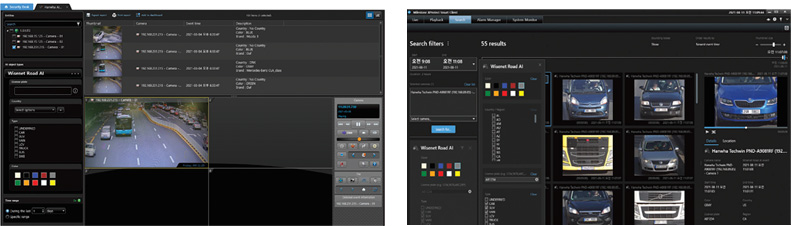
Integrating smart cameras with existing systems is also seamless. This enables seamless video camera integration for businesses to enhance security and operations with minimal modifications.
Challenges of Implementing Contactless Strategies With Smart Cameras
While the benefits of using smart cameras for contactless strategies are obvious, businesses might encounter some obstacles. One major concern is the cost of getting and setting up these advanced systems. Smart cameras with AI, facial recognition, and other high-tech features can be pricey, which might be a hefty investment for small-to-medium-sized businesses.
Privacy concerns are a big deal, too. When smart cameras are used for surveillance and data collection, people wonder about keeping personal information safe. They might feel uncomfortable about being watched all the time, and there could be legal considerations in terms of using and storing biometric data.
To tackle these challenges, businesses might want to think about these best practices:
Understand your needs: Think about why you need smart cameras and what specific features would be most beneficial for your business.
Research security standards: Compare the security measures of different smart camera systems.
Cost management: Consider the long-term benefits and potential ROI. Think about a phased implementation to spread out costs, starting with key areas for the most immediate gains.
Privacy protection: Establish strong data protection policies to securely store and use personal information ethically. Being upfront with customers and employees about how data is used can build trust and ease privacy concerns.
Be transparent with employees and customers: If you plan on using smart cameras in your business, make sure to inform your employees and customers.
Choose the right provider: Partnering with a reliable and reputable provider can help you navigate these challenges and access high-quality products, as well as professional installation with ongoing support.
While these challenges will differ from situation to situation, they're generally outweighed by the benefits. With the right approach, thoughtful implementation, and ongoing evaluation, smart camera systems can offer your businesses contactless operations.
Previous
Next