Modern advancements in video technology allow businesses to use their surveillance systems for more than security measures. Companies in many industries are using their video surveillance systems to ensure employee safety, analyze business operations, and offer excellent customer experience.
Here are five forward-thinking applications of video surveillance technology that are benefiting businesses.
1. Heat Mapping for Retail Analytics
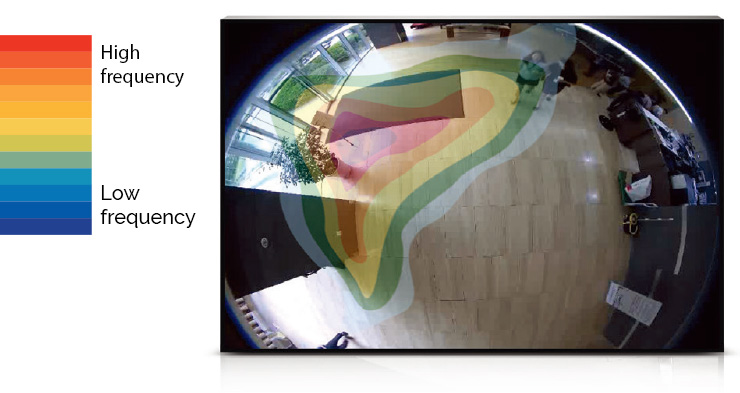
Retailers are utilizing heat mapping technology to understand customer behavior and optimize store layouts. With heat mapping tech, businesses can see a visual representation of how customers move and interact within the store throughout the day, in order to identify high-traffic areas and popular displays. This data-driven approach helps retailers improve product placement and develop better marketing strategies.Heat mapping allows retailers to see how customers move through their stores, which products catch the most eyes, and where bottlenecks happen. This info helps business owners make smart choices about changing store layouts, placing products, and setting up promotions.
Additionally, heat mapping technology provides retailers with detailed insights into other various types of data, including:
Path analysis: Tracking customer paths helps retailers optimize store layouts, highlight key product displays, and reduce congestion.
Conversion zones: Heat mapping can help retailers see which areas of the store are most successful in converting browsing customers into buyers.
Staff planning: Heat mapping allows businesses to determine when and where additional staff may be needed to handle customer flow.
Peak times: Heat mapping can also reveal the busiest times of day or week, allowing retailers to allocate staff more efficiently and ensure a better customer experience during peak periods.
This technology helps retailers stay ahead of their competition by constantly adapting and optimizing their strategies based on real-time data insights.
2. License Plate Recognition for Parking Lots
For businesses with large parking lots like airports or shopping malls, license plate recognition (LPR) tech is an efficient way to keep track of vehicle entry and exit. Using cameras with advanced recognition software, LPR technology reads and records license plates as cars come and go.LPR technology also enhances security by providing real-time data on vehicle movements to prevent unauthorized access, making parking facilities safer and more efficient and improving visitors' experiences.
3. Thermal Imaging for Predictive Maintenance and Machinery Monitoring in Manufacturing
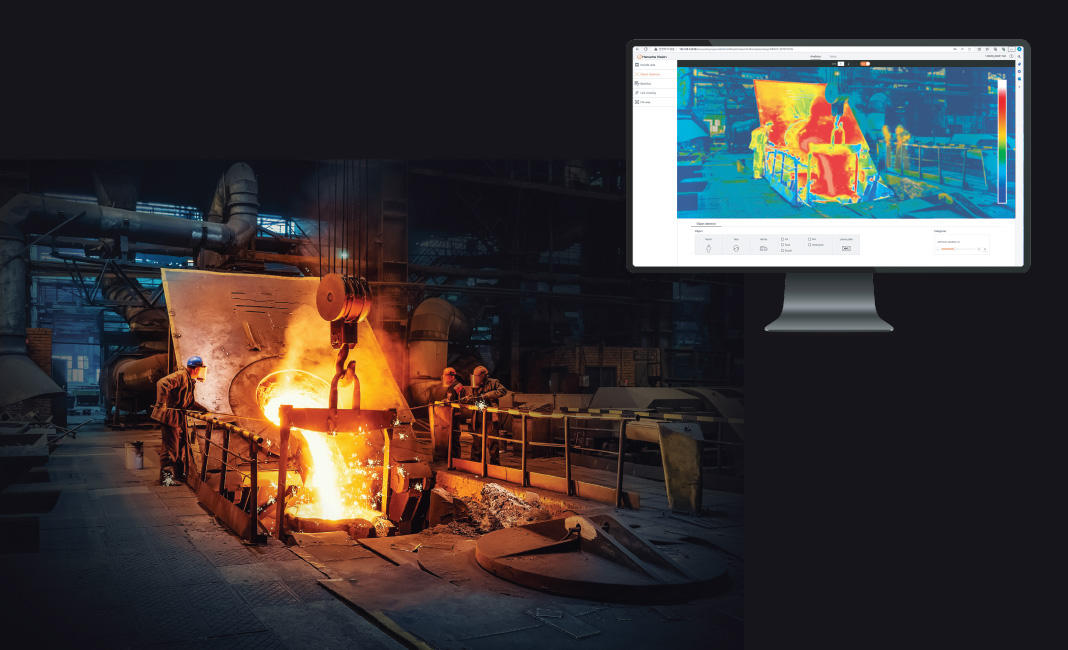
Manufacturers are using thermal imaging technology, to modernize their maintenance strategies. Radiometric thermal cameras can instantly detect abnormal temperatures in industrial and manufacturing settings through intelligent detection analytics and visualization.Users can use thermal imaging to see if machinery and equipment are overheating or underperforming based on temperature analysis to make informed maintenance decisions in their facilities.
4. AI-Powered Video Analytics for Crowd Control in Events
Event organizers are now using AI-powered video surveillance to give end-users the power to manage the flow of people, prevent overcrowding, and improve event safety. This emerging safety tech, which includes heat mapping and queue management, allows users to analyze crowd movement and accurately monitor capacity limits.
AI-powered video analytics also play a critical role in enhancing emergency response planning. End users are able to leverage AI analytics to develop:
Real-time alerts: AI surveillance systems can detect unusual activities or disturbances on the spot, like sudden crowd surges, fights, or people collapsing. These instant alerts help event organizers and security staff react quickly to potential emergencies, reducing risks and keeping attendees safe.
Automated evacuation routes: In an emergency like a fire or security threat, AI systems can check crowd movements and suggest the quickest evacuation routes. This helps guide people away from danger quickly and safely, cutting down on panic and possible injuries.
Resource allocation: Knowing where the crowd is thickest in an emergency helps organizers allocate resources like medical teams and security staff more effectively. This way, help gets to those who need it as fast as possible.
Post-event analysis: After an event, AI-powered video analytics can check out crowd behavior and incident data to offer insights for future planning. This involves spotting where emergency protocols worked well and where tweaks are needed.
Monitoring real-time data and providing insights into crowd behavior allows for proactive measures, ensuring events run smoothly and safely.
5. Integrated Surveillance System for Enhanced Security
Businesses are increasingly using a mix of surveillance technologies to build robust security systems. By combining facial detection and license plate recognition with a central management platform, they can significantly boost security measures. A unified system makes monitoring and managing different surveillance tools simpler.
Utilizing surveillance video analytics can speed up response times and offer real-time alerts for potential security threats.
For companies working with government agencies, it's crucial to find a reliable, government-approved security camera manufacturer to meet NDAA compliance.
The innovative use of surveillance tech is transforming how business operates in many industries. Embracing these cutting-edge technologies protects assets and boosts operational excellence, ensuring a safer and more efficient future for businesses and their customers.
Previous
Next