
In healthcare settings, deploying video surveillance solutions necessitates a careful balance between security requirements and patient privacy rights.
It is crucial to strictly comply with regulations such as HIPAA, GDPR, and others; otherwise, organizations may face substantial fines and other negative consequences.
Cameras should be installed in public and semi-public areas where there is no reasonable expectation of privacy.
These areas include:
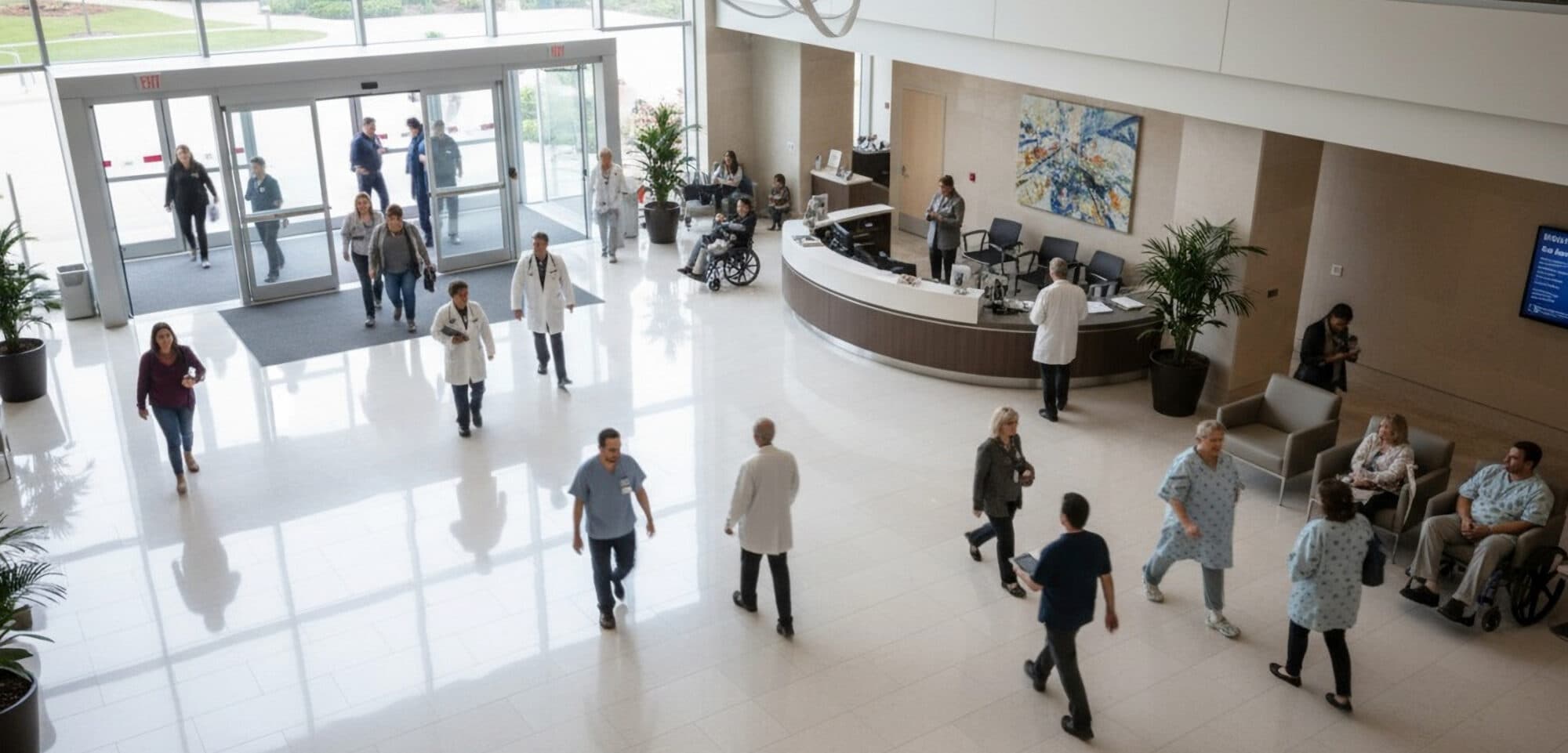
Entrances and Exits: Cover all main, side, rear, and emergency entry/exit points to monitor who enters and leaves the facility.
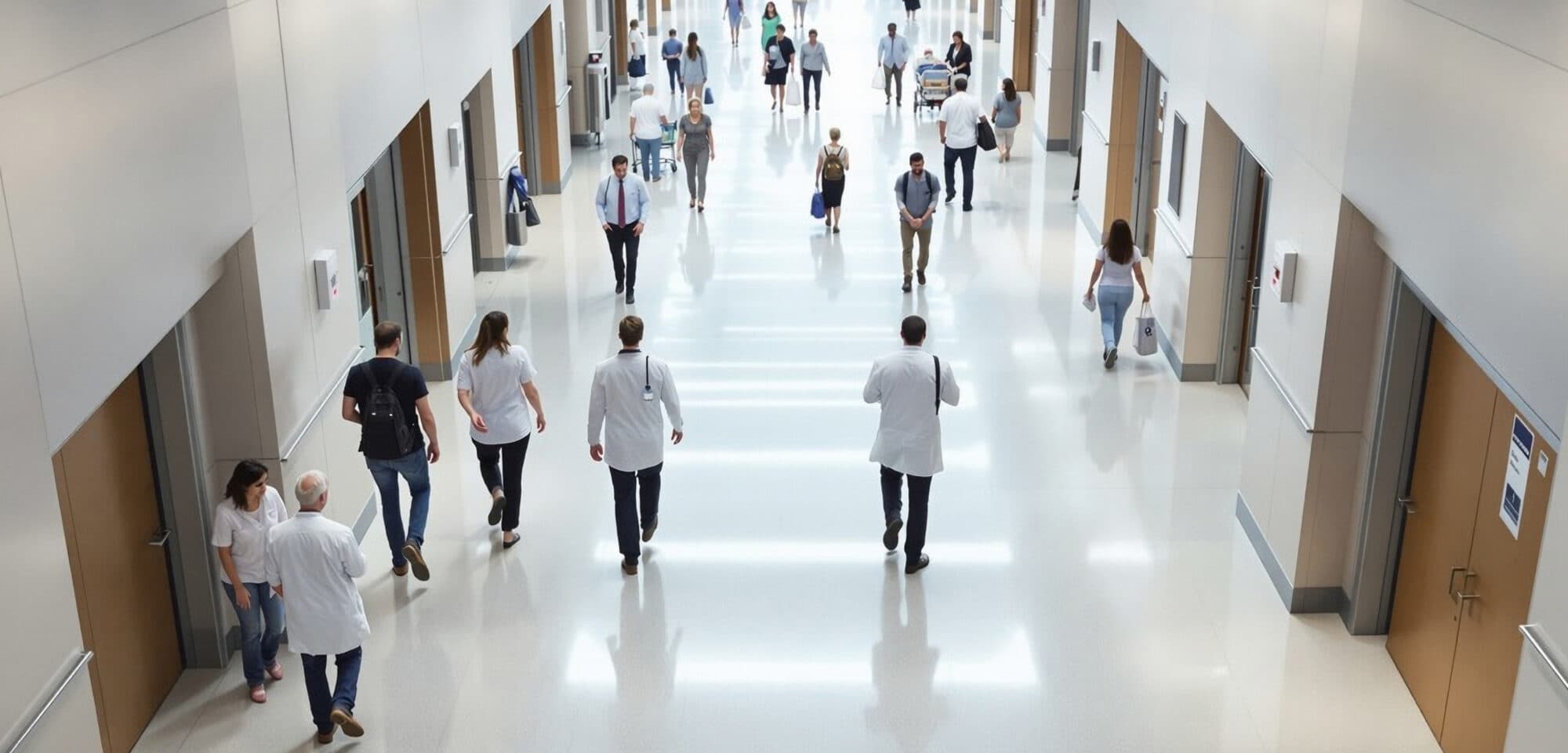
Hallways and Corridors: Position cameras in high-traffic corridors and near stairwells to track movement throughout the building and ensure general safety
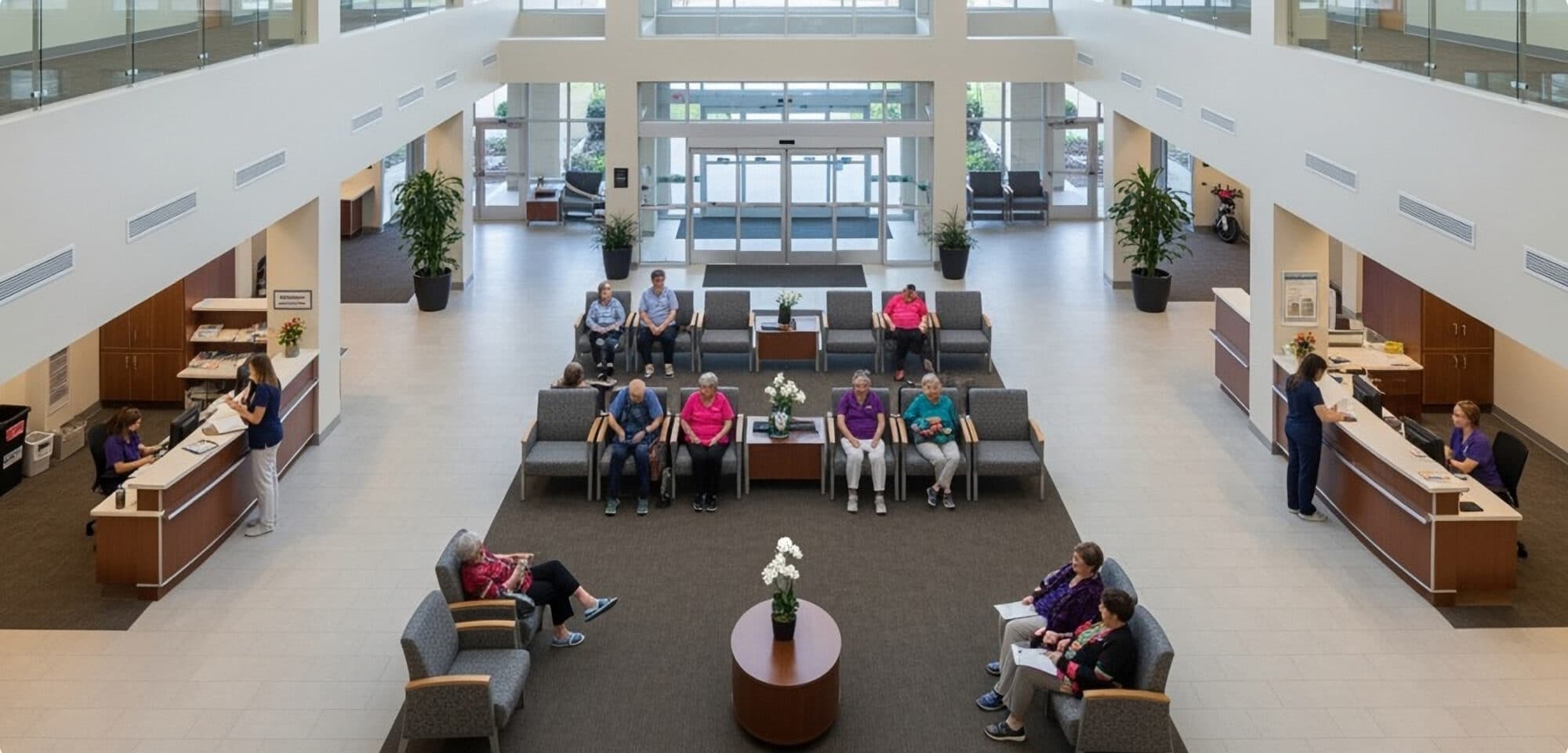
Waiting Rooms and Lobbies: These common areas are suitable for surveillance to manage crowd control and ensure patient and visitor safety.
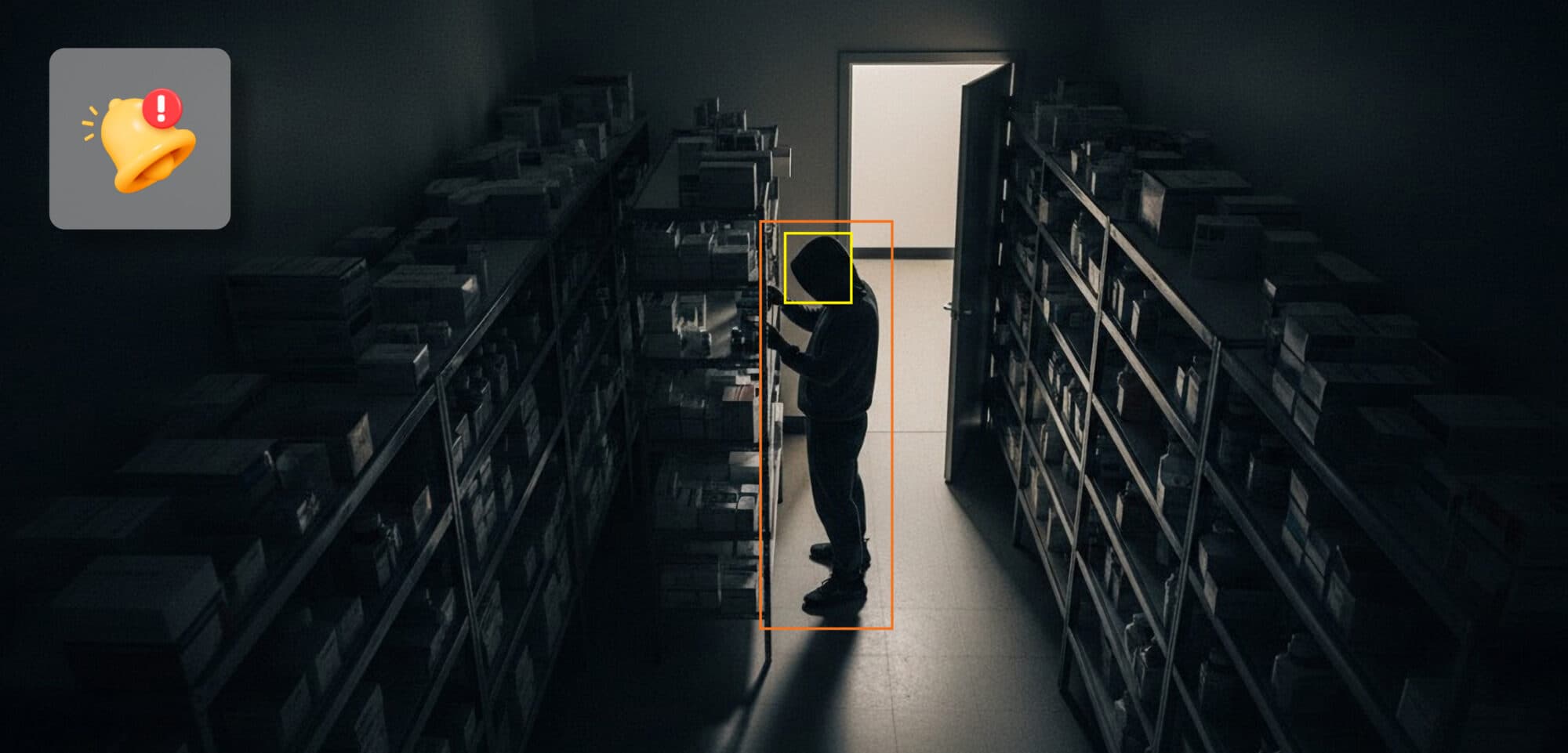
Pharmacies and Storage Rooms: Monitor areas where medications and valuable supplies are stored to prevent theft and unauthorized access.
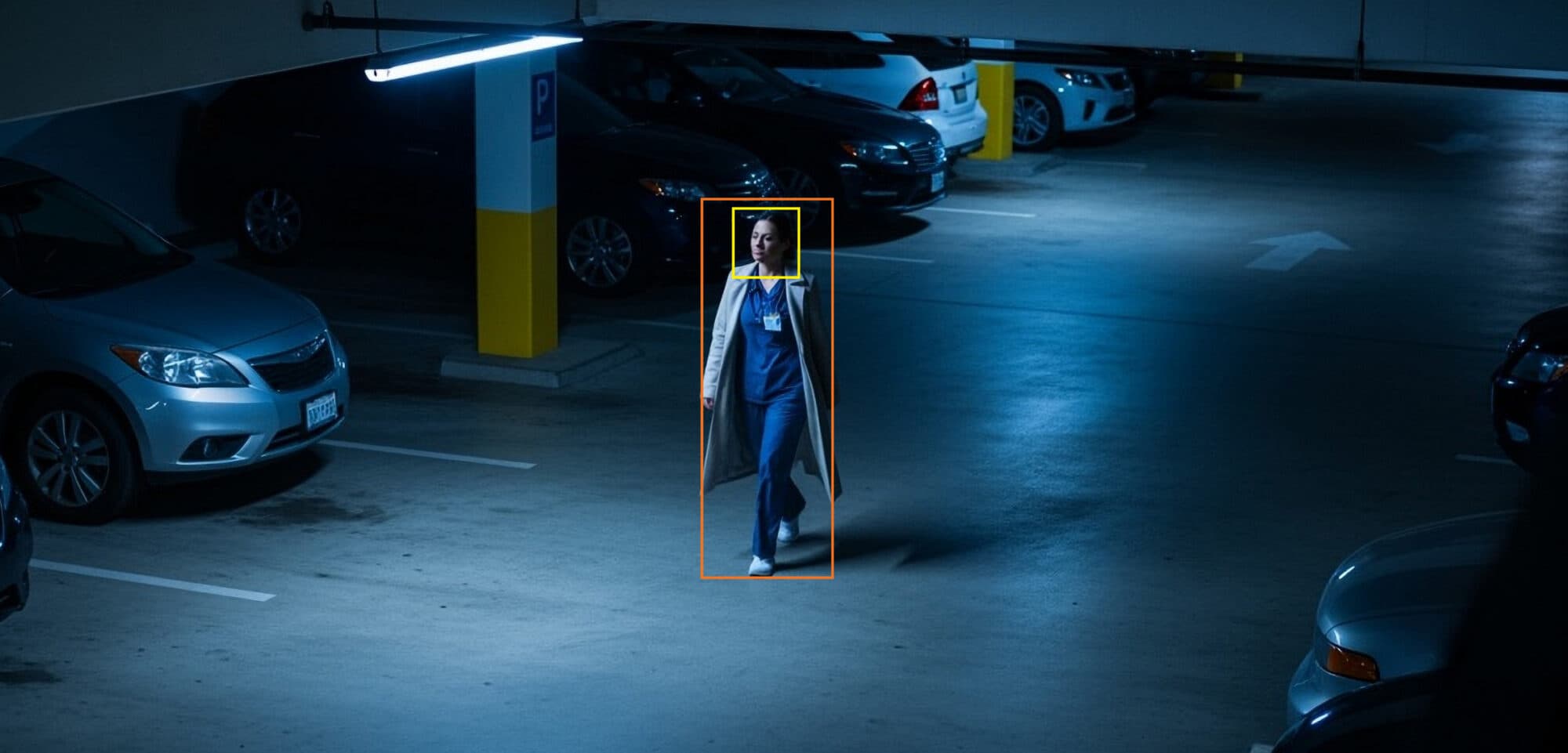
Parking Lots and Garages: Use cameras with wide fields of view to cover perimeters, capture license plates, and deter vehicle-related crime. This is especially valuable for staff members that have late night shifts.
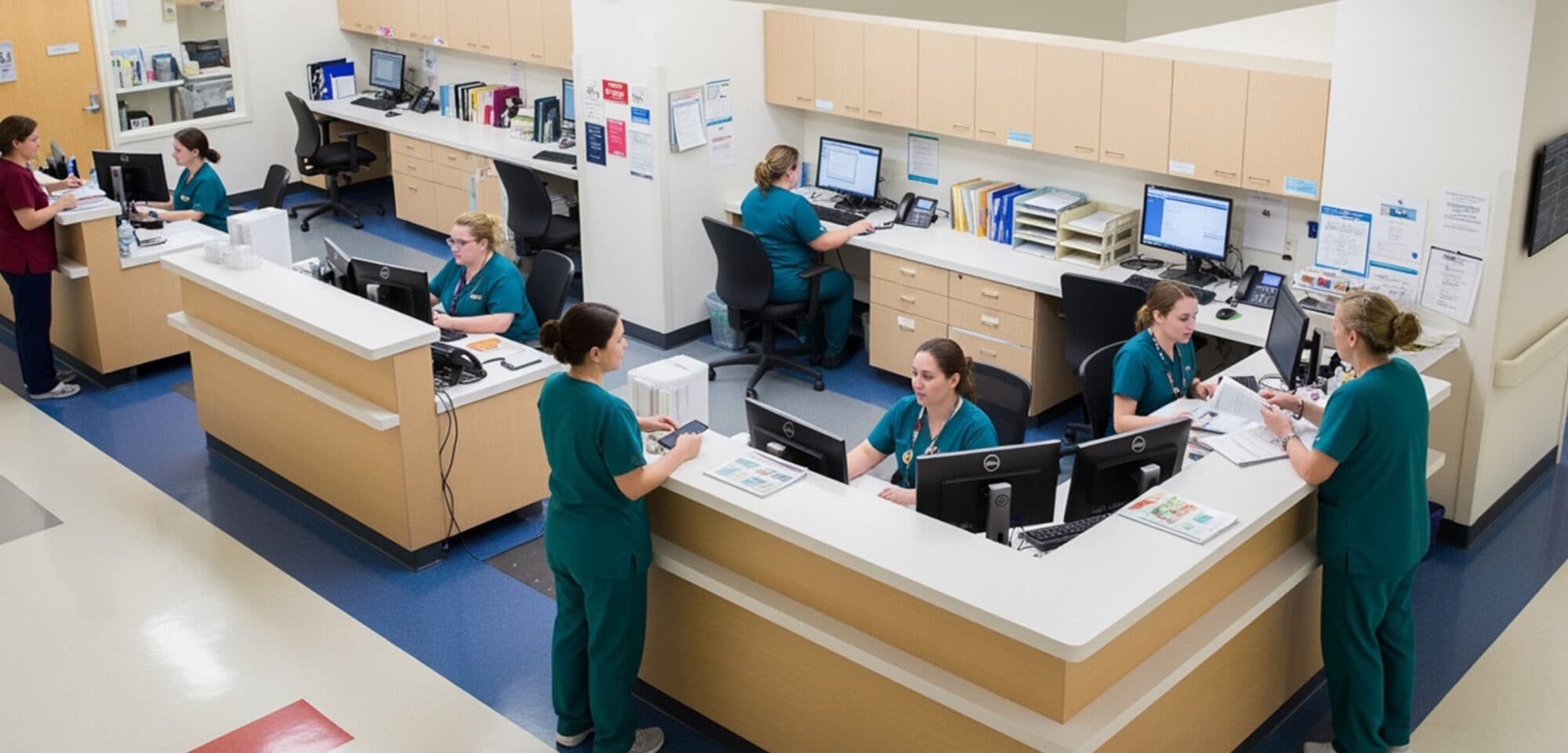
Nurse Stations: Cameras can be aimed at general areas around nurse stations to ensure accountability, but avoid direct views of computer screens displaying protected health information (PHI).
Surveillance Camera Considerations in Other Hospital Areas
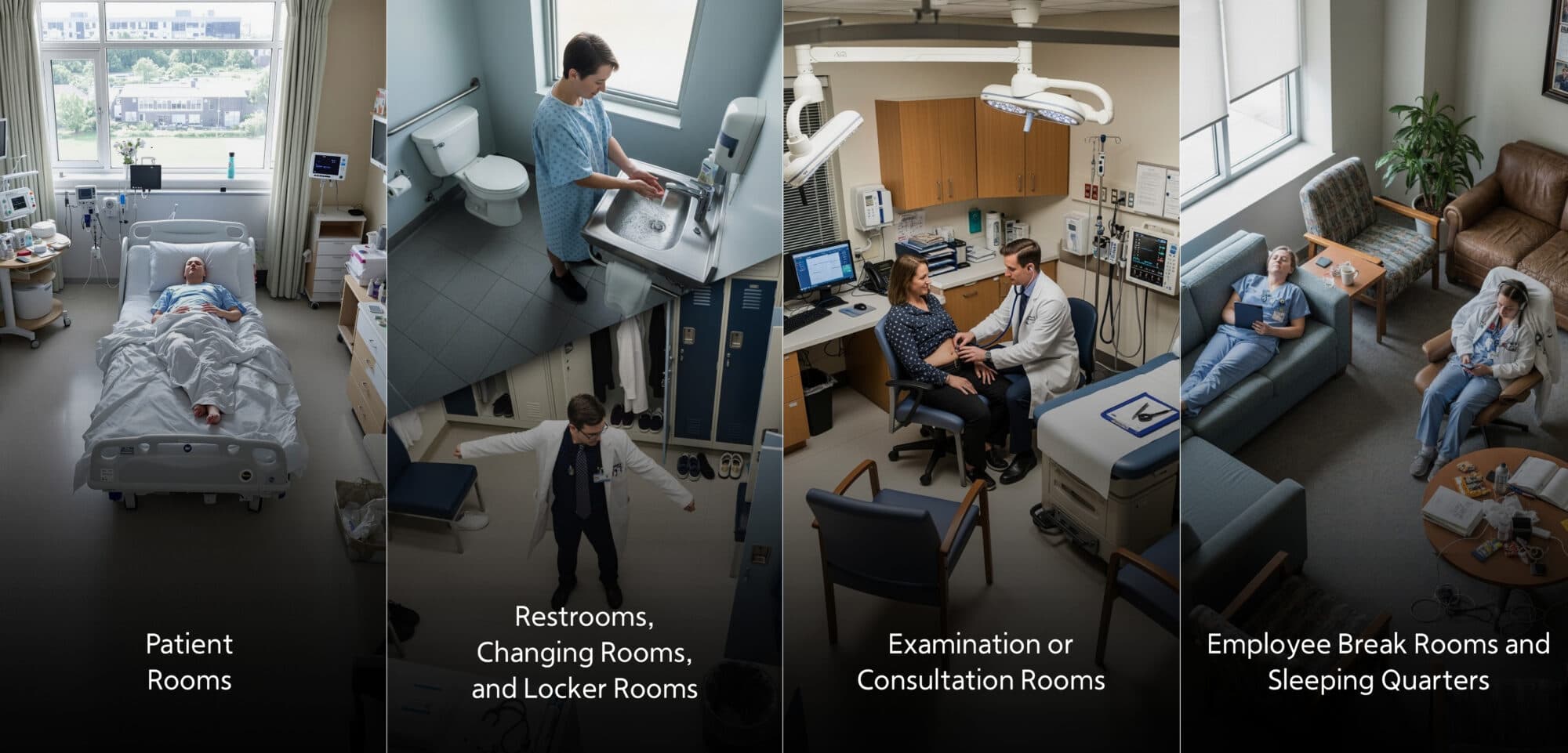
Typically, surveillance cameras are not allowed in all areas.
Commonly off-limits areas include doctor consultation rooms, hospital bathrooms, and employee break rooms and locker rooms. In these areas, employees and visitors have a reasonable expectation of privacy.
Surveillance cameras are not universally allowed in patient rooms either. Rules governing this vary significantly by region due to different laws, privacy expectations, and hospital policies.
In regions that allow cameras in patient rooms, they are typically used for specific safety or medical reasons, such as high-risk or elderly patients, behavioral health units, or maternity wards, that require nursing staff and doctors to have remote monitoring capabilities.

Previous
Next