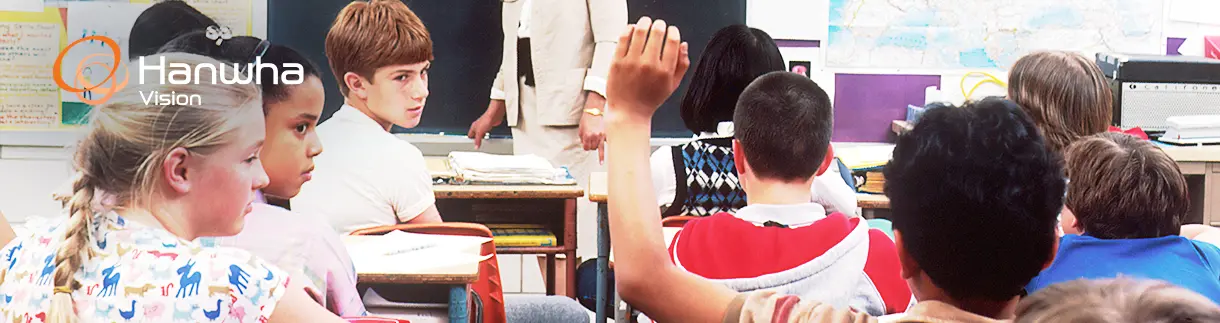
Schools have long used security cameras to help ensure a safe learning environment. Now, AI technology is taking video surveillance to the next level. Beyond just monitoring activity as it happens or providing evidence after incidents occur, AI cameras proactively identify threats. That means staff can respond more quickly and effectively, defusing situations before they escalate.
However, advanced technology is only as strong as its underlying fundamentals. When choosing and deploying an AI-based camera solution, you also need to consider factors like system scalability, camera features, camera positioning, and regulatory compliance. Taking a strategic approach ensures you'll acquire a future-proofed, resilient video surveillance system that will help keep students and staff safe for years to come.
Key Takeaways
With 41% of parents expressing concern about their children's safety at school, security cameras provide a critical layer of protection and peace of mind for students, staff, and families."
AI-enabled systems enhance monitoring with smart alerts that recognize suspicious behavior and unusual activity.
Strategic placement of cameras ensures comprehensive coverage across classrooms, hallways, and outdoor areas.
Policies that balance privacy with safety are critical for building trust within the school community.
Why Schools Need AI Security Cameras
Schools face unique challenges as they work to create safe environments, on campus and online, where learning can take place without disruption. From safety concerns to the need for deterrence and stronger emergency response, there are clear reasons why security cameras have become a critical part of campus safety strategies. Just as important, schools must also protect against digital threats, making cybersecurity a critical part of the safety conversation.
Growing Safety Concerns in Schools
With school safety concerns on the rise, AI-enabled security cameras act as a deterrent to violence, unauthorized entry, and other safety risks. Security cameras serve as a visible frontline defense, preventing dangerous behavior and unauthorized access on campus. By increasing awareness of activity across the property, schools can create an environment where students and teachers feel more secure.
Deterring Crime, Vandalism, and Bullying
In 2024 alone, U.S. schools reported over 300,000 criminal incidents to law enforcement, from theft to assault. Actions that aren't illegal can harm students, too: Around a third of all teenagers report being bullied in the past 12 months. The presence of cameras discourages individuals from engaging in all types of destructive or criminal behavior, helping promote respect and accountability within the school culture.
For a deeper look at how schools can strengthen investigations when incidents occur, explore these campus safety best practices.
Supporting Emergency Response and Investigations
When emergencies occur, access to live video provides staff and first responders with critical insights into what is happening. Security footage helps responders decide how to move quickly and safely, ensuring better outcomes during urgent situations.
After an incident, recorded video also serves as an accurate reference that supports investigations and provides clarity for administrators and law enforcement.
Benefits of AI Security Cameras in Schools
Beyond deterrence, cameras provide measurable benefits that improve campus security and confidence across entire school communities. When paired with AI, these benefits extend into proactive threat detection that keeps schools one step ahead.
Proactive Threat Detection
AI-powered cameras don't just passively record footage. They analyze it to identify unusual behavior, which they then flag to staff, enabling swift intervention. This helps schools take a more proactive approach to safety that ultimately keeps halls, campuses, and classrooms more secure.
Enhanced Student and Staff Safety
By discouraging threats and enabling quick responses, AI security cameras minimize risks before they escalate. This added layer of protection allows students and staff to focus on learning and teaching without compromising on safety.
Real-Time Monitoring of Classrooms and Hallways
It's impossible for administrators and security staff to be everywhere at once. Remote access to AI video surveillance systems gives them visibility into multiple classrooms and hallways simultaneously. This capability helps staff stay engaged with what is happening across the school in real-time, so they can act quickly to address suspicious behavior, escalating conflict, or other safety risks.
Reduced Liability for Schools and Districts
Video footage provides clear documentation that protects schools and districts during disputes and reduces the risk of false accusations. With transparent records to guide decision-making, you can better manage liability and maintain community trust.
Parental Confidence and Community Trust
Parents want assurance that their children are safe while at school, and visible security systems reinforce that confidence. When families see a commitment to monitoring and protection, they build trust in the school and feel more comfortable sending their children to class.
Key Features to Look for in AI School Security Cameras
Finding the right cameras for your school can be a complex process. You need systems that deliver clear footage, wide coverage, smart alerts, and secure storage options that match their budget.
The following features represent core elements every school should consider when choosing AI security cameras:
High-Definition Video Quality
Clear video quality ensures that important details such as faces and license plates are easy to identify. High-definition resolution is especially valuable during investigations when accuracy is critical.
Wide-Angle and Panoramic Coverage
Ideal for large spaces such as cafeterias, gyms, and auditoriums, cameras with panoramic lenses capture a wider area in each frame. This reduces blind spots and enables greater coverage with fewer devices, reducing overall budgets.
Motion Detection and AI-Powered Smart Alerts
Motion detection helps schools monitor activity efficiently by highlighting movement in sensitive areas. AI-powered cameras further enhance this capability with object-based detection, which distinguishes between people, vehicles, and other irrelevant motions, such as shadows or shifting trees. By filtering out routine activity and focusing on unusual or suspicious behavior, AI prevents staff from being overwhelmed by false alarms.
Integration with Access Control and Alarms
Schools gain the most benefit from cameras that integrate with access control systems and alarms, enabling a coordinated response when unauthorized entry or emergencies occur. This unified system helps administrators manage security more effectively across multiple layers of protection.
On-Premise vs. Cloud-Based Solutions
On-premise systems give schools complete control over their data and don't rely on internet connectivity, but they require dedicated servers and ongoing maintenance.
By contrast, cloud-based systems reduce the need for in-house IT resources and make footage accessible from anywhere, which is especially valuable for larger districts. Each option carries different advantages, and the right choice often depends on budget, policy, and security needs.
Wired vs. Wireless Security Systems
Wired systems provide stable and dependable connections that aren't vulnerable to signal disruptions, making them ideal for permanent installations. Wireless systems, on the other hand, allow faster setup and easier expansion when schools need flexibility or temporary coverage. The choice between the two often comes down to weighing reliability against adaptability.
Scalability for Large Campuses and Districts
Districts with multiple buildings and growing enrollment need solutions that expand seamlessly. Scalable systems allow schools to add cameras without redesigning the entire security setup, ensuring that protection keeps pace with the needs of students and staff.
Budget Considerations
When choosing an AI camera system, schools must consider both initial investment and long-term costs related to storage, software, and maintenance. By planning carefully, schools can build systems that deliver value while staying financially sustainable.
Best Placement of AI Security Cameras in Schools
Where cameras are positioned matters just as much as which cameras are chosen. Proper placement ensures comprehensive coverage, reduces blind spots, and builds confidence in the system's effectiveness.
Classrooms and Lecture Halls
Placing cameras in classrooms ensures that teaching spaces remain safe and accountable. The presence of surveillance encourages respectful behavior while giving administrators a reliable record of classroom activity.
Entrances, Exits, and Parking Lots
Entry and exit points are among the most vulnerable areas on a school campus. Cameras in these locations help track who is coming and going, discouraging unauthorized entry while also monitoring parking areas for student and staff safety.
Hallways, Stairwells, and Common Areas
High-traffic areas such as hallways and stairwells are frequent settings for misbehavior or conflict. Monitoring these spaces allows staff to respond swiftly to issues and discourage harmful activity.
Playgrounds, Gyms, and Athletic Fields
Outdoor and athletic spaces require cameras that can handle changing weather conditions and wide coverage needs. These areas often host large groups of students during activities and events, making reliable surveillance especially important.
Privacy and Compaliance Considerations
Protecting student privacy in schools is just as critical as ensuring safety. Clear, transparent policies build trust and confidence in how surveillance is used, while also supporting legal compliance.
FERPA and Student Privacy Rights
Schools must carefully follow regulations such as FERPA, which protects student records and personal information. Video footage should be managed in ways that limit access to authorized personnel only.
Balancing Surveillance with Ethical Concerns
While cameras improve safety, schools must also consider the comfort of students and staff. Excessive monitoring can create a sense of constant surveillance that impacts the learning environment.
Along with this, as concerns about AI in education increase – regarding deepfakes, data privacy, and transparent consent – schools must also be mindful of how surveillance technologies collect sensitive information and clearly communicate the purpose and limits of their use. Balancing safety with ethical use ensures that systems protect without undermining trust.
Establishing Clear Policies for Camera Use
Policies outlining where cameras are placed, how footage is stored, and who can access it are essential. Clear communication of these rules ensures accountability, prevents misuse, and strengthens trust among students, parents, and staff.
Future of School Security Technology
As technology continues to evolve, security tools are advancing alongside it. AI, IoT, and mobile monitoring are shaping the future of school safety by providing faster insights and more connected systems.
AI-Powered Video Analytics
AI enabled surveillance will grow more powerful, enabling it to recognize unusual behavior and send alerts with greater accuracy. As technology improves, schools' security posture will improve, too, helping them protect students and staff more effectively.
Smart Integration With IoT and Campus Security Systems
Future security solutions will expand beyond cameras and access control by connecting with a wider ecosystem of IoT devices. For example, smart sensors that detect vape smoke, aggressive noise levels, or sudden temperature changes can integrate directly with video systems to provide context in real-time. Such interconnected systems improve response times and reduce security gaps.
Remote Access and Mobile Monitoring
Administrators and security staff increasingly rely on mobile access to monitor schools in real-time. Remote viewing from smartphones or tablets enables faster responses when staff are not on-site. This flexibility ensures that safety oversight extends beyond the boundaries of the school building.
Protect Your School With Advanced Security Cameras From Hanwha Vision
Schools need reliable, modern solutions that keep safety at the forefront without compromising privacy. Hanwha Vision delivers advanced security cameras for schools that combine AI technology with trusted performance to protect students, staff, and campuses. Explore how Hanwha Vision's education-focused solutions can strengthen your school's security strategy today.
Previous
Next